Remote Video Surveillance St. Louis MO

In today’s rapidly evolving security landscape, remote video surveillance has become a cornerstone for protecting homes, businesses, and public spaces. St. Louis, Missouri, with its unique blend of urban and suburban environments, presents specific challenges and opportunities for security professionals and property owners alike. This article explores the benefits, technologies, and considerations of implementing remote video surveillance systems in St. Louis, MO, offering a comprehensive guide for anyone interested in enhancing their security infrastructure.
The Growing Importance of Remote Video Surveillance in St. Louis
St. Louis has seen a steady increase in demand for advanced security solutions over the past decade. According to recent crime statistics from the St. Louis Metropolitan Police Department, certain neighborhoods have experienced fluctuations in property crime rates, underscoring the need for effective monitoring systems. Remote video surveillance offers a proactive approach to crime prevention and response, allowing property owners and law enforcement to monitor activities in real time from virtually anywhere.
Beyond crime deterrence, remote surveillance plays a vital role in public safety, traffic management, and emergency response coordination. For example, city officials use remote cameras to monitor high-traffic areas and public events, enhancing situational awareness and enabling quicker reaction times during incidents.
Why Remote Access Matters
Traditional surveillance systems required on-site monitoring, which limited their effectiveness and flexibility. Remote video surveillance leverages internet connectivity and cloud technology, enabling users to access live and recorded footage from smartphones, tablets, or computers. This capability is especially valuable for business owners managing multiple locations or homeowners who travel frequently.
In St. Louis, where weather events such as storms or flooding can impact physical security, remote access ensures continuous monitoring without the need for physical presence. This flexibility improves overall security management and peace of mind.
Key Technologies Powering Remote Video Surveillance
The effectiveness of remote video surveillance hinges on the integration of several advanced technologies. Understanding these components helps property owners make informed decisions tailored to their specific security needs.
High-Definition IP Cameras
Modern remote surveillance systems predominantly use IP (Internet Protocol) cameras. These devices capture high-definition video and transmit data over the internet, providing clear and detailed images essential for identifying individuals or incidents. In St. Louis, where lighting conditions can vary widely—from bright daylight to poorly lit alleyways—cameras with night vision and wide dynamic range capabilities are particularly valuable.
Cloud Storage and Data Security
Cloud-based storage solutions have revolutionized video surveillance by eliminating the need for bulky on-site storage devices. Recorded footage is securely uploaded to remote servers, ensuring data is protected against theft, damage, or tampering. Many providers offer encrypted storage options, which are critical for maintaining privacy and compliance with local regulations.
In addition, cloud storage facilitates easy retrieval and sharing of footage with law enforcement or insurance companies, expediting investigations and claims processes.
Artificial Intelligence and Analytics
Artificial intelligence (AI) and video analytics enhance remote surveillance by automating the detection of unusual activities. Features such as motion detection, facial recognition, and license plate reading help reduce false alarms and focus attention on genuine security threats.
For example, AI-powered systems can alert users to suspicious behavior around a business after hours or notify homeowners of unexpected visitors. These intelligent features are increasingly adopted in St. Louis to improve response times and resource allocation.
Benefits of Remote Video Surveillance for St. Louis Residents and Businesses
Remote video surveillance offers a wide range of advantages that extend beyond basic security, making it a worthwhile investment for many in the St. Louis area.
Enhanced Crime Deterrence and Evidence Collection
Visible surveillance cameras act as a deterrent to potential criminals by increasing the perceived risk of detection. Studies have shown that properties with video surveillance are significantly less likely to be targeted for burglary or vandalism. In cases where crimes do occur, recorded footage provides crucial evidence that can aid in identifying suspects and securing convictions.
Cost-Effective Security Management
Compared to hiring full-time security personnel or installing complex alarm systems, remote video surveillance offers a more affordable and scalable solution. Many systems allow users to customize coverage areas and monitoring schedules, optimizing costs without sacrificing protection.
Improved Operational Efficiency
For businesses, surveillance systems can monitor employee activity, ensure compliance with safety protocols, and oversee inventory management. Remote access enables managers to supervise multiple locations simultaneously, streamlining operations and reducing the need for physical oversight.
Considerations When Choosing a Remote Video Surveillance System in St. Louis
Selecting the right remote video surveillance system requires careful evaluation of several factors to ensure it meets the specific needs of the property and complies with local regulations.
Assessing Coverage and Camera Placement
Effective surveillance depends on strategic camera placement. In St. Louis, this means covering entry points, parking lots, and vulnerable exterior areas while considering lighting conditions and potential obstructions. Professional security consultants can conduct site assessments to recommend optimal camera types and locations.
Connectivity and Bandwidth Requirements
Reliable internet connectivity is essential for remote video surveillance. Properties in areas with limited broadband access may experience challenges with video streaming and cloud storage. It’s important to verify that the local internet service can support the system’s data demands, especially for high-definition cameras.
Compliance with Privacy Laws
Missouri has specific laws governing video surveillance, particularly regarding audio recording and monitoring of public spaces. Property owners must ensure their systems do not infringe on privacy rights or violate regulations. Consulting legal experts or local authorities can help navigate these requirements.
System Maintenance and Support
Ongoing maintenance is crucial for ensuring system reliability. This includes regular software updates, hardware checks, and troubleshooting. Many providers in St. Louis offer comprehensive support packages, including remote diagnostics and on-site repairs, to minimize downtime.
Future Trends in Remote Video Surveillance
The remote video surveillance industry continues to evolve, driven by technological advancements and changing security needs. Staying informed about emerging trends can help St. Louis residents and businesses future-proof their security investments.
Integration with Smart Home and IoT Devices
Remote surveillance systems are increasingly integrated with smart home technologies, allowing seamless control through voice commands and mobile apps. Internet of Things (IoT) devices such as smart locks, sensors, and alarms work in concert with cameras to create comprehensive security ecosystems.
Advancements in AI and Machine Learning
AI capabilities are expected to become more sophisticated, enabling predictive analytics that anticipate security threats before they occur. This proactive approach can transform surveillance from a reactive tool to a preventative measure.
Enhanced Cybersecurity Measures
As surveillance systems become more connected, protecting them from cyber threats is paramount. Future systems will likely incorporate stronger encryption, multi-factor authentication, and real-time threat detection to safeguard video data and user privacy.
Conclusion
Remote video surveillance in St. Louis, MO, represents a vital component of modern security strategies for both residential and commercial properties. By leveraging cutting-edge technologies and understanding local needs, property owners can significantly enhance their protection against crime and operational risks. Careful planning, adherence to legal standards, and ongoing system management are essential to maximize the benefits of remote surveillance. As technology continues to advance, embracing these solutions will become increasingly important for maintaining safety and peace of mind in the St. Louis community.
As you consider the future of remote video surveillance in St. Louis, MO, SkyCop stands ready to elevate your security strategy. Our expertly designed solutions, born from the combined knowledge of law enforcement veterans and technology specialists, integrate seamlessly with existing systems to enhance community safety without the need for costly upgrades. With SkyCop, you gain a partner committed to innovation, integrity, and customer satisfaction—key ingredients for creating a safer environment. Take the first step towards a more secure future and contact us today to learn how we can help you protect what matters most.
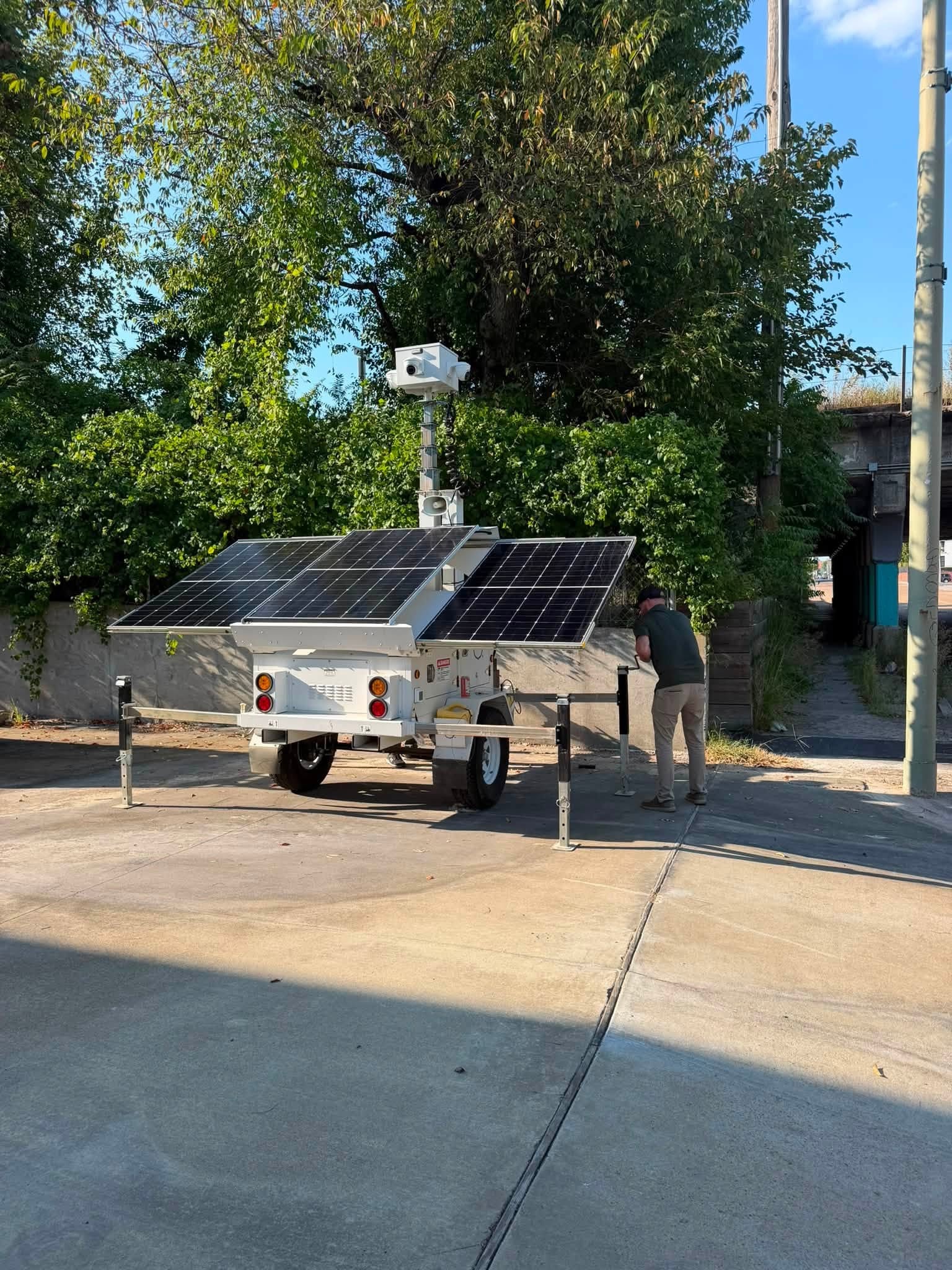
SkyCop Provides Robust Off-Grid Security Deterrent to Address Electrical Theft for We Fight Monsters New Community Facility in Memphis, TN
Client Name & Service Location We Fight Monsters located at 777 S. Main St., Memphis, TN Client’s Needs We Fight…
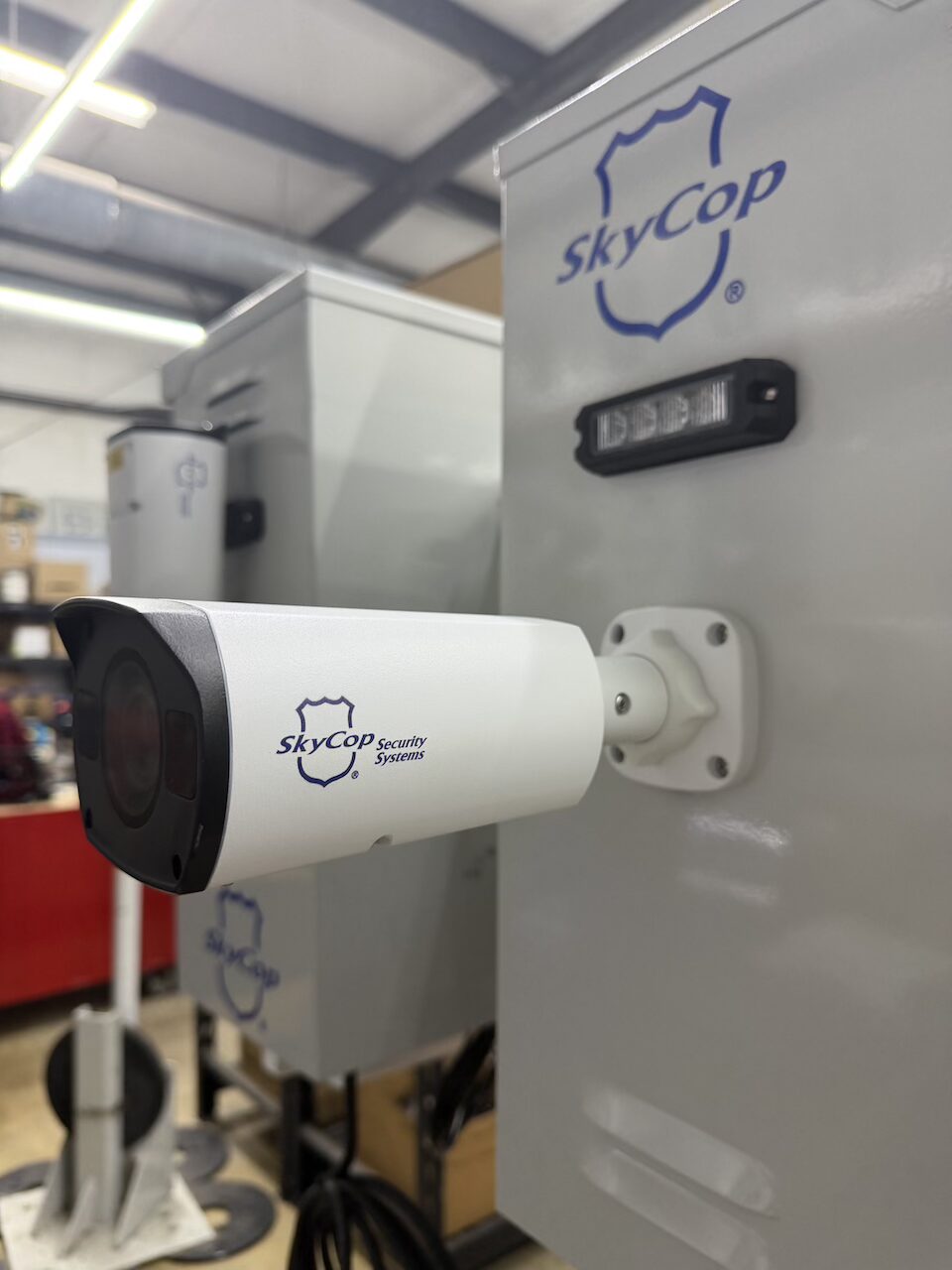
Do Visible Security Cameras Deter Crime? Our Experience Says Yes and Why Visibility Matters
When businesses invest in video surveillance, it is easy to focus primarily on what happens after an incident. Security cameras…
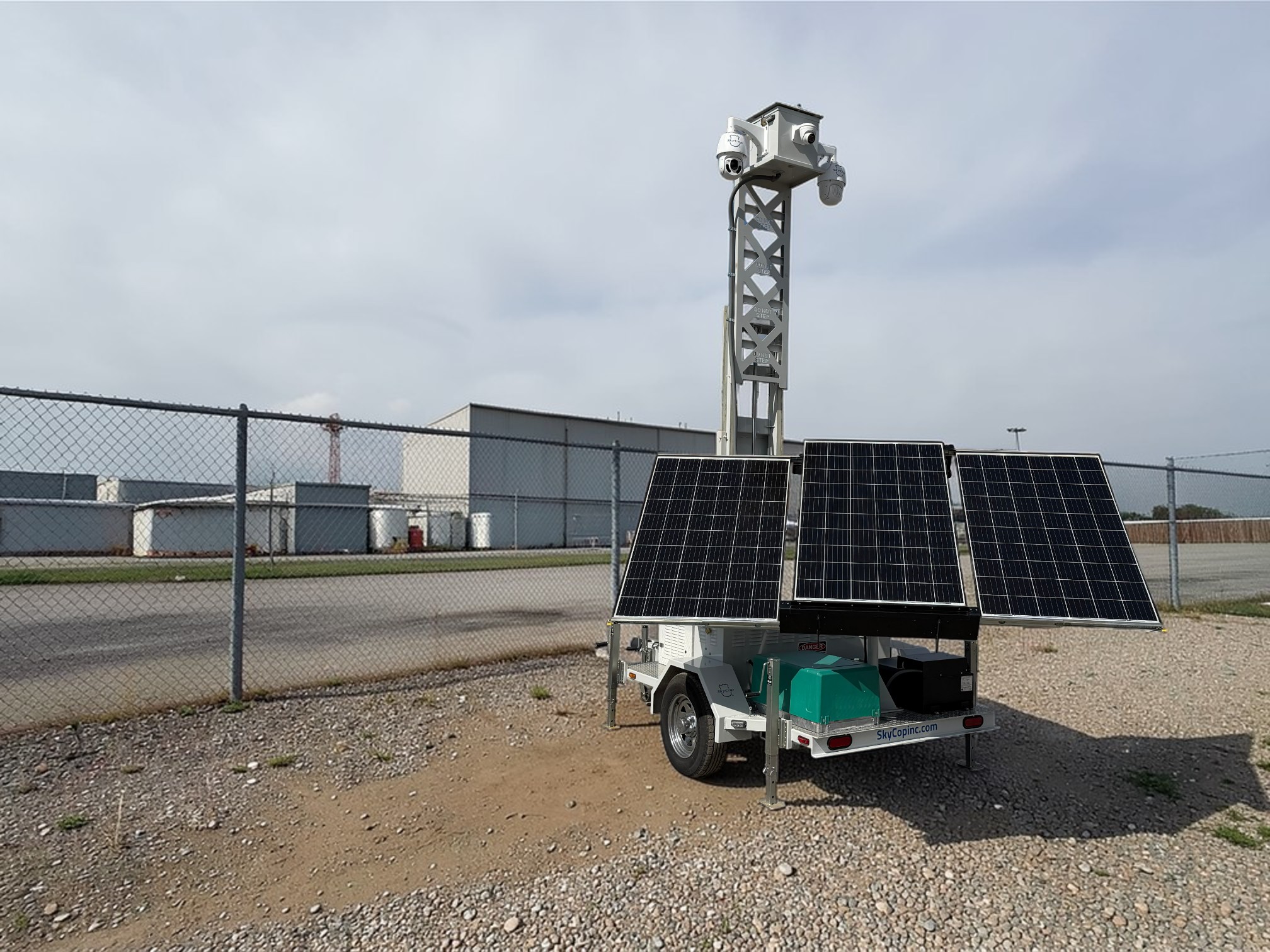
Advanced Mobile Surveillance Technology That Adapts to Changing Security Environments
Security priorities rarely stay in one place. A construction project may need protection for several months, while a festival or…