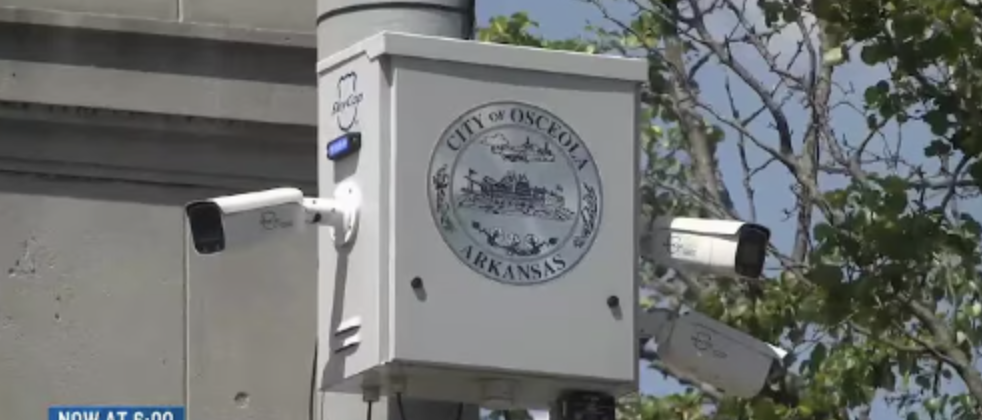
For law enforcement agencies, public safety depends on having the right information at the right time. A recent news report from KAIT highlighted how the Osceola Police Department in Arkansas is using SkyCop cameras to support investigations, monitor developing situations, and improve officer safety. The department’s experience shows how strategically placed surveillance technology can give officers and dispatchers a clearer view of what is happening across a community before, during, and after an incident.
Real-Time Visibility Helps Dispatchers See What Is Happening
SkyCop camera systems can help law enforcement monitor important locations throughout a community, including intersections, roads, business areas, and other public spaces. In Osceola, dispatchers are able to view camera feeds in real time and see street activity before officers arrive on scene [1].
That real-time access can make a major difference during tense or fast-moving situations. Instead of relying on a call description, dispatchers can provide officers with additional context about crowd size, vehicle movement, potential threats, or changing conditions. This helps responding officers prepare more effectively before they enter a scene.
Surveillance Footage Can Support Criminal Investigations
Video evidence can be valuable when investigators are trying to determine what happened, where a suspect went, or which vehicles were involved. The Osceola Police Department reported that SkyCop cameras helped track individuals connected to a March shooting at Cielito Lindo restaurant, supporting the arrest of suspects in the case.
For agencies, this type of coverage can help create a clear investigative timeline. SkyCop camera systems are designed to provide forensic evidence that can assist law enforcement with identifying vehicles, tracking activity, and reviewing incidents after they occur.
Cameras Can Help Confirm or Disprove Witness Statements
Surveillance technology is not only useful for identifying suspects. It can also help protect people who have been wrongly accused. In the KAIT report, Interim Police Chief William Skaggs explained that the department has used SkyCop footage to both confirm witness statements and disprove false accusations.
This is an important part of public safety technology. Reliable video footage can help agencies make decisions based on evidence rather than assumption. When footage clearly shows what did or did not happen, camera systems can help clear individuals who are wrongly connected to an incident [1].
Better Information Can Improve Officer Safety
Officer safety is another major benefit of real-time surveillance access. When dispatchers can monitor a developing scene, they may be able to warn officers about large crowds, escalating activity, suspicious movement, or other risks before officers arrive.
For police departments, this added awareness can support safer decision-making. Live camera access gives officers more information before they enter potentially dangerous situations, helping them respond with better preparation [1]. In situations where seconds matter, that extra visibility can be a meaningful advantage.
License Plate Recognition Adds Another Layer of Support
The Osceola Police Department is also expanding their system with a new camera equipped with license plate recognition technology. SkyCop’s LPR capabilities are designed to help identify vehicles connected to Amber Alerts, stolen vehicle reports, BOLO alerts, and other law enforcement priorities.
With LPR, agencies can receive timely notifications when a flagged vehicle is detected. This gives law enforcement another tool for locating vehicles of interest and responding quickly.
Build a Smarter Public Safety Strategy with SkyCop
The Osceola Police Department’s use of SkyCop cameras shows how surveillance technology can support both investigations and officer safety. From real-time monitoring to forensic video review and license plate recognition, the right system can help agencies respond faster, gather stronger evidence, and better protect their communities. To learn more about camera systems, LPR technology, mobile surveillance units, and real-time monitoring solutions, contact SkyCop today to explore the right security strategy for your agency or organization.
Sources:
- https://www.kait8.com/2026/04/22/osceola-police-use-sky-cop-cameras-solve-crimes-improve-officer-safety/
- All other info gathered from SkyCop’s “solutions” website tab
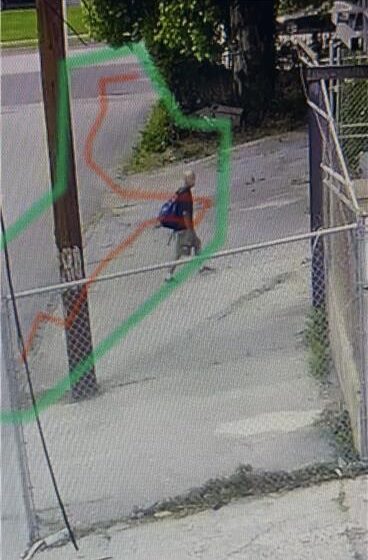
SkyCop Protects a Vulnerable Historic Memphis Property After $400,000 Over 1 Month in Damages & Lost Assets
Client’s Needs A client in Memphis, TN, faced a devastating challenge: an abandoned 100 year old historic apartment building they…
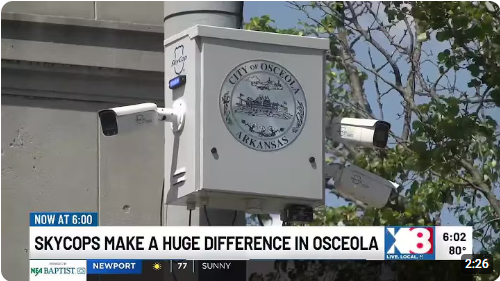
Highlighting How SkyCop Cameras Help Police Solve Crimes and Improve Officer Safety
For law enforcement agencies, public safety depends on having the right information at the right time. A recent news report…
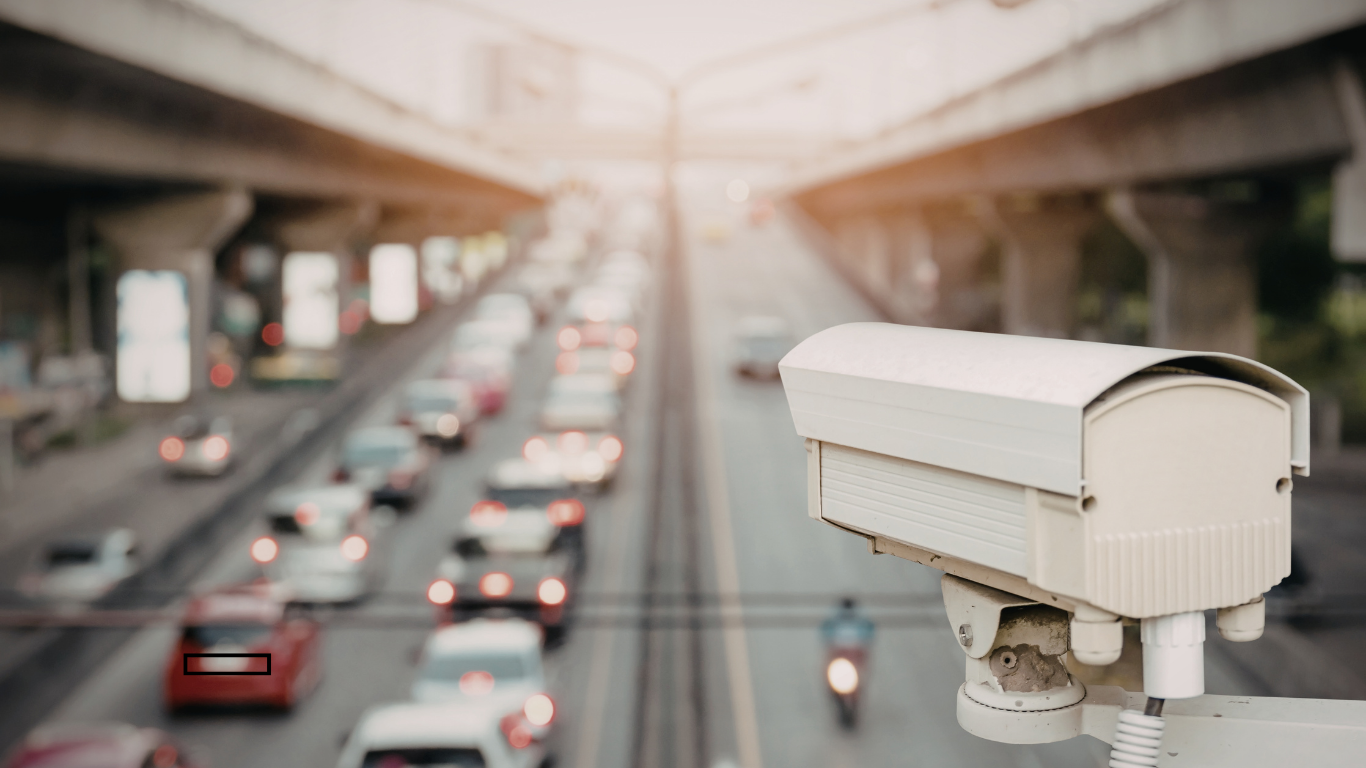
What Are Different & Effective Applications for License Plate Recognition (LPR) Cameras?
License plate recognition (LPR) cameras have become an increasingly valuable tool for security, law enforcement, traffic management, and commercial property…