License Plate Recognition Systems Huntsville AL

In recent years, License Plate Recognition (LPR) systems have become a vital tool for law enforcement, parking management, and security operations across the United States. Huntsville, Alabama, a city known for its technological advancements and growing urban landscape, has embraced this technology to enhance public safety and operational efficiency. This article explores the deployment, benefits, and future outlook of LPR systems in Huntsville, AL, providing a comprehensive understanding of how these systems contribute to the community.
Understanding License Plate Recognition Technology
License Plate Recognition (LPR) systems use advanced cameras and software to automatically capture and interpret vehicle license plate information. These systems employ optical character recognition (OCR) technology to convert images of license plates into digital data that can be analyzed and stored. The technology has evolved significantly over the years, becoming more reliable and efficient, which has led to its widespread adoption in various sectors, including law enforcement, toll collection, and parking management.
The core components of an LPR system include high-resolution cameras, infrared lighting for night-time operation, and sophisticated algorithms that can accurately read plates despite varying conditions such as weather, speed, and angle. Integration with databases allows real-time comparison against lists of stolen vehicles, wanted suspects, or parking restrictions. Furthermore, the systems can often recognize different plate formats and designs, accommodating the diverse range of license plates issued across different states and countries.
How LPR Systems Work in Huntsville
In Huntsville, LPR systems are strategically installed on police vehicles, fixed locations such as traffic lights, and parking garages. When a vehicle passes an LPR-equipped camera, the system captures the plate image and processes it within milliseconds. The data is then cross-referenced with local and national law enforcement databases, alerting officers instantly if a match is found. This capability not only enhances public safety but also aids in the efficient allocation of police resources, allowing officers to focus on high-priority incidents.
This real-time capability is crucial for rapid response to criminal activity, including stolen vehicles, Amber Alerts, and outstanding warrants. Additionally, Huntsville’s LPR systems support traffic management and parking enforcement, helping to streamline city operations. Beyond law enforcement, the data collected can also provide valuable insights into traffic patterns and congestion, enabling city planners to make informed decisions about infrastructure improvements and public transportation enhancements. The integration of LPR technology into urban planning signifies a forward-thinking approach to managing city growth and ensuring the safety and efficiency of its transportation networks.
The Impact of LPR Systems on Public Safety in Huntsville
One of the primary motivations behind the adoption of LPR technology in Huntsville is enhancing public safety. The city’s law enforcement agencies have reported significant improvements in vehicle-related crime detection and prevention since implementing these systems.
Crime Reduction and Law Enforcement Efficiency
According to data from the Huntsville Police Department, the use of LPR technology has contributed to a 20% increase in the recovery of stolen vehicles over the past three years. Officers can quickly identify suspicious vehicles, reducing the time and resources spent on manual plate checks.
Moreover, LPR systems have proven invaluable in investigations involving hit-and-run incidents, drug trafficking, and human trafficking. By providing accurate and timely vehicle identification, law enforcement can build stronger cases and improve overall community safety.
Community Benefits Beyond Crime Fighting
Beyond law enforcement, LPR systems in Huntsville also support emergency response efforts. For example, during Amber Alerts, LPR cameras help track the movement of vehicles associated with missing children, increasing the chances of safe recovery.
Furthermore, these systems assist in managing traffic flow and reducing congestion by monitoring vehicle patterns and enabling data-driven decisions for infrastructure improvements.
Applications of LPR Systems in Huntsville’s Urban Infrastructure
Huntsville’s growing population and expanding urban infrastructure have created new challenges in traffic management and parking enforcement. LPR technology offers practical solutions that improve efficiency and user experience.
Parking Management and Enforcement
In downtown Huntsville and around popular venues such as the Von Braun Center, LPR systems facilitate automated parking enforcement. These systems can detect vehicles overstaying their allotted parking time or parked in restricted zones, issuing citations without the need for manual patrols.
This automation reduces human error, increases compliance, and frees up city personnel for other critical tasks. Additionally, LPR data helps city planners analyze parking demand and optimize space allocation.
Traffic Monitoring and Toll Collection
While toll roads are not yet widespread in Huntsville, the city has begun exploring LPR technology for potential use in future toll collection and congestion pricing initiatives. By capturing license plate data, these systems can enable seamless, cashless toll payments and support dynamic traffic management strategies.
Moreover, LPR systems assist in monitoring traffic violations such as red-light running and speeding, contributing to safer roadways.
Privacy and Ethical Considerations in Huntsville’s LPR Deployment
Despite the clear benefits of LPR technology, concerns about privacy and data security remain prominent among residents and advocacy groups. Huntsville officials have taken steps to address these concerns through transparent policies and strict data management protocols.
Data Retention and Access Controls
The city of Huntsville enforces strict guidelines on how LPR data is stored, accessed, and shared. Typically, license plate data is retained only for a limited period unless it is part of an active investigation. Access to the data is restricted to authorized personnel, and audits are conducted regularly to ensure compliance.
These measures help prevent misuse of information and protect individual privacy while maintaining the utility of the technology for public safety.
Community Engagement and Transparency
Huntsville law enforcement agencies actively engage with the community to educate residents about LPR technology and its use. Public forums and informational campaigns provide opportunities for citizens to ask questions and express concerns.
This open dialogue fosters trust and ensures that the deployment of LPR systems aligns with community values and expectations.
The Future of License Plate Recognition in Huntsville
As technology continues to evolve, Huntsville is poised to expand and enhance its LPR capabilities. Emerging trends such as artificial intelligence (AI) integration, cloud-based data management, and multi-jurisdictional data sharing promise to increase the effectiveness and reach of these systems.
AI and Machine Learning Enhancements
Incorporating AI and machine learning algorithms allows LPR systems to improve accuracy and reduce false positives. These advancements enable better recognition of non-standard plates, damaged plates, and plates from out-of-state vehicles, which is particularly relevant in a city like Huntsville with diverse traffic patterns.
Regional Collaboration and Data Sharing
Huntsville is collaborating with neighboring jurisdictions to create a regional LPR data network. This cooperative approach enhances the ability to track vehicles across county lines, improving law enforcement’s capacity to respond to crimes that span multiple areas.
Such collaboration also supports broader initiatives like combating interstate vehicle theft and trafficking.
Integration with Smart City Initiatives
As Huntsville advances its smart city infrastructure, LPR systems will play a key role in integrating transportation data with other urban technologies. This integration can lead to smarter traffic signal control, enhanced public transit management, and improved emergency response coordination.
Conclusion
License Plate Recognition systems have become an indispensable part of Huntsville’s public safety and urban management toolkit. By leveraging cutting-edge technology, the city has improved crime detection, enhanced traffic and parking management, and strengthened emergency response capabilities.
While privacy concerns remain an important consideration, Huntsville’s commitment to transparency and responsible data use helps balance technological benefits with community trust. Looking ahead, continued innovation and regional collaboration will ensure that LPR systems remain a vital asset in supporting the city’s growth and security.
For residents and visitors alike, the presence of LPR technology in Huntsville contributes to a safer, more efficient urban environment—demonstrating how smart technology can serve the needs of a modern city.
If you’re inspired by Huntsville’s commitment to public safety and urban management and want to see similar results in your community, SkyCop is your ideal partner. Our state-of-the-art surveillance solutions are designed to integrate seamlessly with law enforcement efforts, enhancing safety and security without the need for costly upgrades. With SkyCop’s technology, you can expect better connectivity and faster response times, crucial in the fight against crime. Our dedication to innovation, integrity, and customer satisfaction means we’re constantly improving our services to meet your needs. Take the first step towards a safer community and contact us today to learn how we can support your local police department with advanced technology solutions.
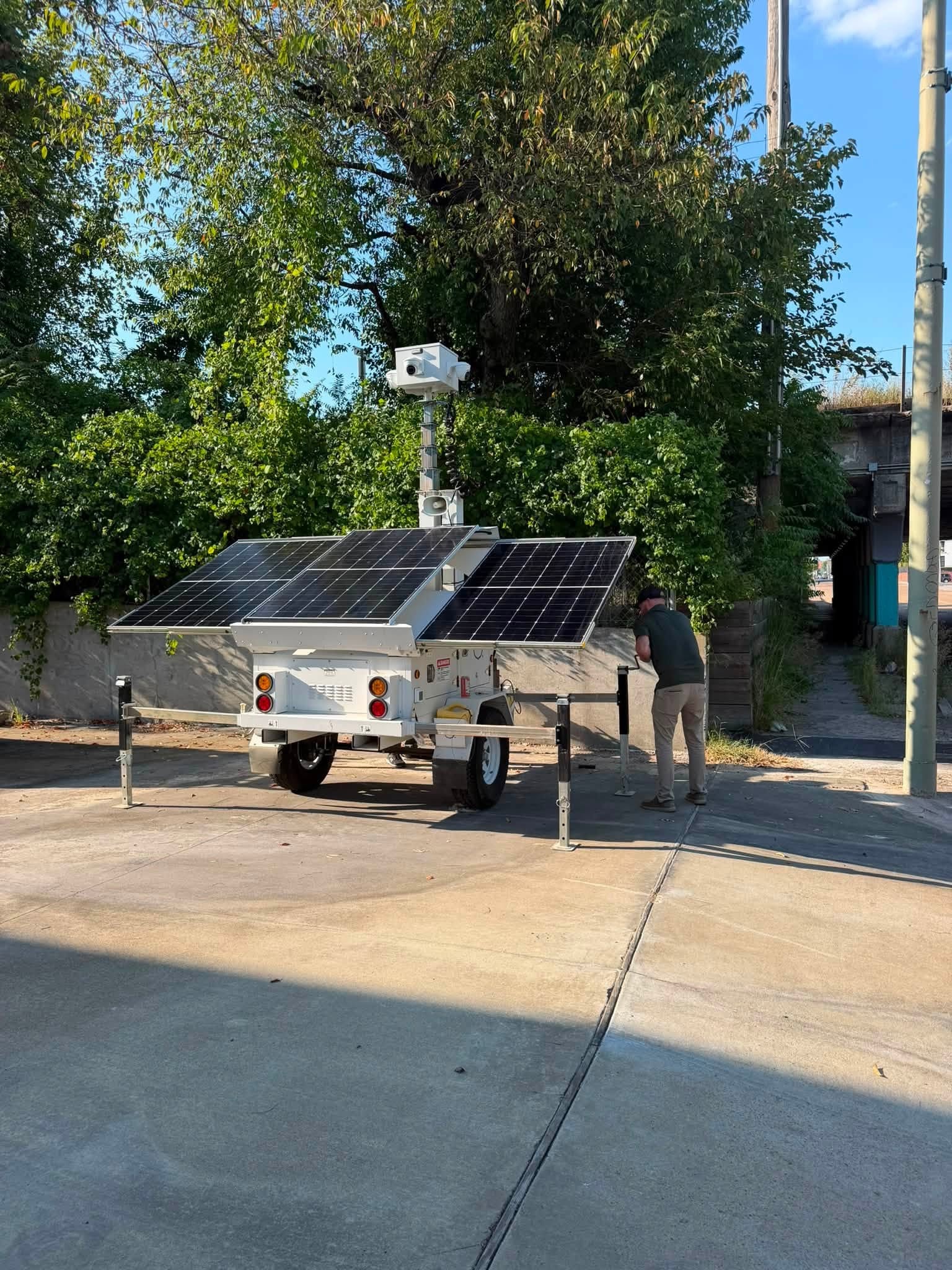
SkyCop Provides Robust Off-Grid Security Deterrent to Address Electrical Theft for We Fight Monsters New Community Facility in Memphis, TN
Client Name & Service Location We Fight Monsters located at 777 S. Main St., Memphis, TN Client’s Needs We Fight…
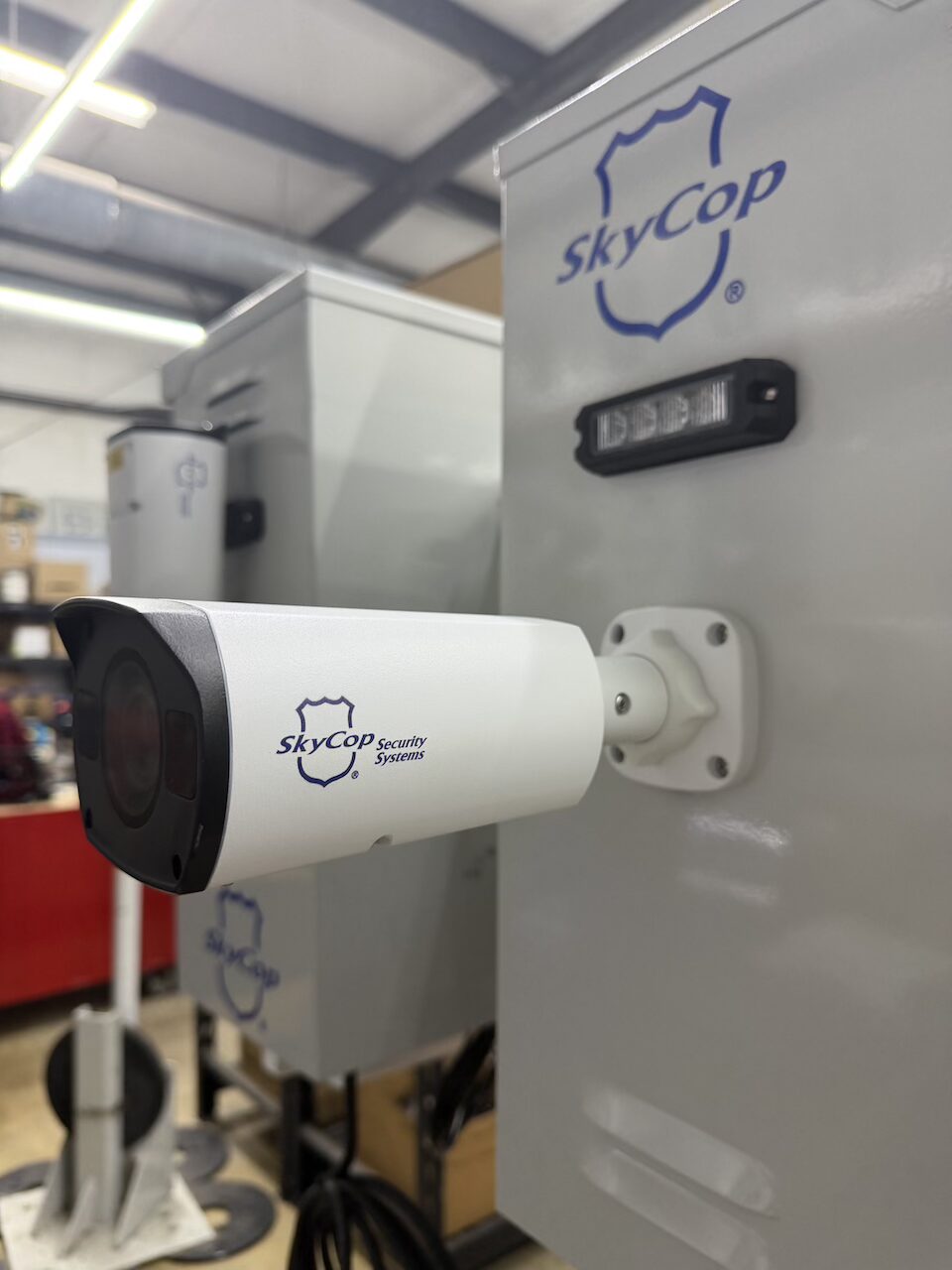
Do Visible Security Cameras Deter Crime? Our Experience Says Yes and Why Visibility Matters
When businesses invest in video surveillance, it is easy to focus primarily on what happens after an incident. Security cameras…
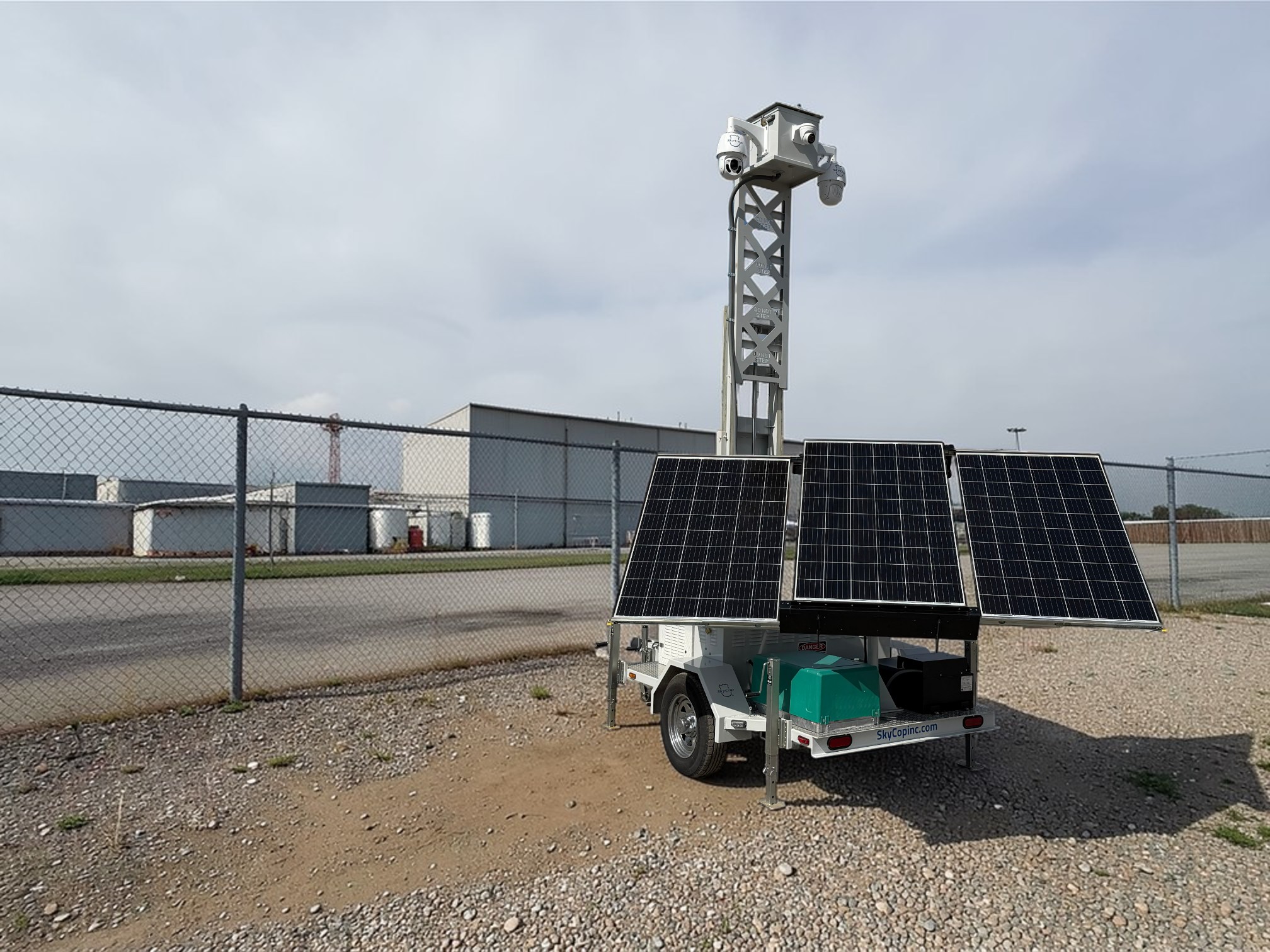
Advanced Mobile Surveillance Technology That Adapts to Changing Security Environments
Security priorities rarely stay in one place. A construction project may need protection for several months, while a festival or…