Remote Video Surveillance Atlanta GA

In an era where security concerns are paramount for both businesses and homeowners, remote video surveillance has emerged as a vital tool for protecting assets, monitoring activities, and ensuring peace of mind. Atlanta, GA, with its bustling commercial districts and diverse residential neighborhoods, presents unique challenges and opportunities for implementing effective surveillance solutions. This article explores the key aspects of remote video surveillance in Atlanta, highlighting its benefits, technological advancements, and considerations for choosing the right system.
The Growing Importance of Remote Video Surveillance in Atlanta
Atlanta is a major metropolitan area with a population exceeding 500,000 residents and a wider metropolitan population of over 6 million. As the city continues to grow, so do concerns about security, ranging from property crimes to industrial theft and vandalism. According to the Atlanta Police Department’s recent reports, property crime rates have fluctuated but remain a significant concern for both commercial and residential sectors.
Remote video surveillance offers a proactive approach to security by allowing property owners and managers to monitor premises in real time from anywhere. This capability is especially crucial in Atlanta’s dynamic environment, where businesses operate around the clock and residential communities seek enhanced safety measures. The ability to view live footage or recorded video remotely reduces response times to incidents and helps deter criminal activity.
Commercial Applications in Atlanta’s Business Districts
Atlanta’s commercial hubs, including Midtown, Buckhead, and Downtown, are home to numerous offices, retail stores, and warehouses. These areas benefit significantly from remote surveillance systems that provide continuous monitoring without the need for on-site security personnel at all times.
For example, warehouses storing valuable goods can be monitored remotely to detect unauthorized access or suspicious behavior. Retailers can use video analytics integrated with surveillance to track customer flow and prevent shoplifting. Remote access also facilitates coordination with local law enforcement, enabling faster incident reporting and evidence sharing.
Residential Security and Community Safety
In residential neighborhoods such as Virginia Highland, Decatur, and Buckhead, remote video surveillance enhances community safety by allowing homeowners to keep an eye on their properties while away. Smart home integrations enable alerts for unusual activity, such as motion detected during unusual hours, helping residents respond promptly to potential threats.
Neighborhood associations in Atlanta increasingly adopt community-wide surveillance initiatives, which can be monitored remotely by designated security teams. This collective approach enhances deterrence and fosters a stronger sense of security among residents.
Technological Advancements Driving Remote Surveillance
Remote video surveillance technology has evolved rapidly, driven by advances in connectivity, camera hardware, and software capabilities. Atlanta’s infrastructure supports the deployment of sophisticated systems that leverage these innovations for enhanced security.
High-Definition and 4K Cameras
Modern surveillance cameras in Atlanta typically offer high-definition (HD) or 4K resolution, providing crystal-clear images that are crucial for identifying faces, license plates, and other details. This level of clarity is invaluable for both live monitoring and forensic analysis after an incident.
Many systems also include infrared night vision capabilities, ensuring effective surveillance regardless of lighting conditions. This is particularly important in Atlanta’s varied urban and suburban environments, where lighting can be inconsistent.
Cloud-Based Storage and Access
Cloud technology has transformed how surveillance footage is stored and accessed. Instead of relying solely on local storage devices that can be damaged or stolen, Atlanta businesses and homeowners can now securely upload video data to cloud servers. This ensures footage is preserved even if physical equipment is compromised.
Cloud-based systems also facilitate seamless remote access via smartphones, tablets, or computers, allowing users to review live or recorded footage from anywhere with an internet connection. This flexibility is essential for Atlanta’s mobile and fast-paced population.
Artificial Intelligence and Video Analytics
Artificial intelligence (AI) integration has introduced powerful video analytics tools that enhance the effectiveness of remote surveillance. AI can automatically detect unusual behavior, such as loitering, trespassing, or abandoned objects, and send instant alerts to property owners or security personnel.
In Atlanta, where traffic congestion and public events are common, AI-driven analytics help filter out false alarms caused by environmental factors like weather or animals, reducing unnecessary distractions and focusing attention on genuine threats.
Choosing the Right Remote Video Surveillance System in Atlanta
Selecting the most suitable remote video surveillance system requires careful consideration of several factors tailored to the specific needs of Atlanta’s environment and the user’s security objectives.
Assessing Security Needs and Coverage Areas
The first step is to evaluate the areas requiring surveillance and the level of detail needed. Large commercial properties may require multiple cameras with overlapping fields of view, while residential properties might focus on entry points and common areas. Understanding these requirements helps determine the number and types of cameras needed.
Connectivity and Network Infrastructure
Reliable internet connectivity is essential for effective remote monitoring. Atlanta’s widespread broadband and 5G networks support high-bandwidth video streaming, but users should verify the stability and speed of their connections to avoid interruptions.
Additionally, network security is critical to prevent unauthorized access to surveillance feeds. Implementing strong encryption, secure passwords, and regular software updates helps safeguard the system against cyber threats.
Professional Installation and Maintenance
While some remote surveillance systems offer DIY installation, professional setup ensures optimal camera placement, wiring, and system integration. Local Atlanta security providers understand the city’s unique challenges, such as building layouts and environmental conditions, and can tailor installations accordingly.
Ongoing maintenance is equally important to keep cameras clean, firmware updated, and storage systems functioning properly. Establishing a maintenance schedule helps prevent downtime and ensures continuous protection.
Legal and Privacy Considerations in Atlanta
Implementing remote video surveillance must comply with legal regulations and respect privacy rights. Atlanta property owners should be aware of local and state laws governing surveillance practices.
Public vs. Private Property Surveillance
Surveillance on private property is generally permissible, but cameras should not intrude on neighbors’ private spaces or public areas where individuals have a reasonable expectation of privacy. For example, pointing cameras directly into a neighbor’s window can lead to legal disputes.
Businesses in Atlanta should also consider signage requirements to inform visitors and employees about surveillance, which can help avoid liability issues and enhance transparency.
Data Protection and Retention Policies
With the rise of cloud storage and remote access, protecting recorded video data is paramount. Atlanta organizations must implement data protection measures consistent with regulations such as the Georgia Personal Identity Protection Act (GPIPA), which mandates safeguarding personal information.
Establishing clear policies on how long footage is retained and who has access helps maintain compliance and build trust with stakeholders.
Future Trends in Remote Video Surveillance for Atlanta
The future of remote video surveillance in Atlanta is poised for continued innovation, driven by emerging technologies and evolving security needs.
Integration with Smart City Initiatives
Atlanta is actively pursuing smart city projects that leverage IoT (Internet of Things) devices and data analytics to improve urban living. Remote video surveillance will increasingly integrate with these initiatives, enabling real-time traffic monitoring, emergency response coordination, and public safety enhancements.
Enhanced AI Capabilities and Automation
Advancements in AI will enable even more sophisticated threat detection and automated responses, such as activating alarms or notifying authorities without human intervention. This will improve efficiency and reduce the burden on security personnel.
Greater Emphasis on Cybersecurity
As surveillance systems become more connected, protecting them against cyberattacks will be a top priority. Future solutions will likely incorporate advanced encryption, biometric access controls, and continuous threat monitoring to safeguard video data and system integrity.
Conclusion
Remote video surveillance in Atlanta, GA, is an indispensable component of modern security strategies for both commercial and residential properties. By leveraging cutting-edge technology, local expertise, and a clear understanding of legal requirements, property owners can significantly enhance their security posture. As Atlanta continues to grow and evolve, remote surveillance systems will play a crucial role in fostering safer communities and more secure business environments.
As Atlanta continues to advance in remote video surveillance technology, it’s essential to partner with a provider that understands the unique needs of law enforcement and community safety. SkyCop is that partner, offering solutions designed by experienced law enforcement authorities and technology experts to effectively prevent and fight crime. Our integrated approach ensures that you’re equipped with state-of-the-art surveillance that connects seamlessly with your existing systems, enabling faster response times and enhanced security. With SkyCop, you’re not just installing cameras; you’re fostering a safer, more transparent community where safety is visibly prioritized. Contact us today to learn how we can help you protect what matters most in Atlanta, GA.
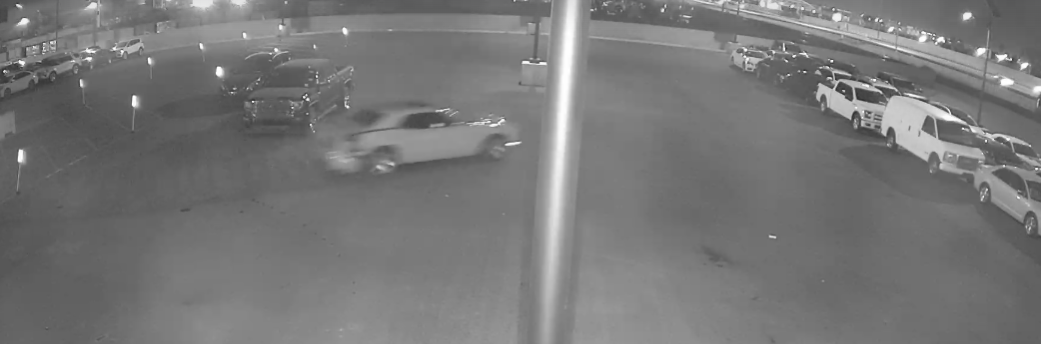
Proactive Security from SkyCop Saves High-Value Assets at Las Vegas Car Auction Lot
Client Name & Service Location An automotive retail client operating a large auction lot in Las Vegas, NV. Client’s Needs…

How Security Trailers Prevent Crime Before It Starts: Deterrence Features That Work
Security trailers are designed to do something simple and powerful: change behavior before an incident happens. In many environments, the…
SkyCop Assists Several High-End Commercial Properties in East Memphis on Security Measures
Client Overview: Colliers Property Management Partners Peggy Schrecker with Colliers oversees several high-end commercial properties in the Poplar Corridor of…