License Plate Recognition Systems Nashville TN

As urban centers like Nashville continue to grow, the need for advanced security and traffic management technologies becomes increasingly critical. License Plate Recognition (LPR) systems have emerged as a pivotal tool in enhancing public safety, streamlining law enforcement operations, and improving traffic flow across the city. This article explores the role of LPR systems in Nashville, TN, examining their technology, applications, benefits, challenges, and future outlook.
Understanding License Plate Recognition Technology
License Plate Recognition (LPR) technology uses high-resolution cameras combined with sophisticated software algorithms to capture and interpret vehicle license plates automatically. These systems convert images of license plates into digital data that can be quickly analyzed and cross-referenced with databases.
Modern LPR systems employ optical character recognition (OCR) techniques to accurately read license plates, even under challenging conditions such as low light, adverse weather, or high-speed traffic. The technology integrates seamlessly with existing surveillance infrastructure, enabling real-time monitoring and instant alerts.
In Nashville, the deployment of LPR technology is tailored to meet the city’s unique traffic patterns, law enforcement needs, and security concerns. The system’s ability to process thousands of plates per hour makes it invaluable for both routine and specialized applications.
Beyond law enforcement, LPR technology is also being utilized in various sectors such as parking management and toll collection. For example, cities are implementing LPR systems in parking lots to streamline payment processes, allowing drivers to enter and exit without the need for physical tickets. This not only enhances user convenience but also reduces operational costs associated with traditional parking management systems. Additionally, toll roads are increasingly adopting LPR to automate toll collection, improving traffic flow and reducing congestion at toll booths.
Moreover, the integration of LPR technology with artificial intelligence (AI) is paving the way for even more advanced applications. AI algorithms can analyze patterns in vehicle movements, helping cities to optimize traffic signals and improve overall traffic management. This capability not only enhances road safety but also contributes to reducing emissions by minimizing idle time at congested intersections. As cities continue to embrace smart technology, LPR stands at the forefront of innovations that promise to reshape urban mobility and security.
Applications of LPR Systems in Nashville
Enhancing Law Enforcement Efficiency
One of the primary uses of LPR systems in Nashville is to assist law enforcement agencies in identifying stolen vehicles, tracking wanted suspects, and enforcing parking regulations. When a vehicle’s license plate matches a database entry for stolen cars or vehicles associated with criminal activity, officers receive immediate notifications, enabling faster response times.
Additionally, LPR technology supports Amber Alerts and other emergency notifications by helping locate vehicles involved in critical situations. This proactive approach significantly increases the chances of timely intervention and resolution. The integration of LPR systems with existing police databases allows for a more comprehensive analysis of crime trends, enabling law enforcement to allocate resources more effectively and target high-risk areas. As a result, LPR systems not only aid in immediate responses but also contribute to long-term crime reduction strategies.
Traffic Management and Congestion Reduction
Nashville’s growing population and expanding road network have led to increased traffic congestion, especially during peak hours. LPR systems contribute to smarter traffic management by providing data on vehicle flow, peak usage times, and traffic bottlenecks.
City planners and traffic engineers use this data to optimize signal timings, design better traffic routes, and implement dynamic tolling systems where applicable. By improving traffic flow, LPR systems help reduce commute times, lower emissions, and enhance overall urban mobility. Furthermore, the data gathered can be invaluable for future infrastructure projects, allowing city officials to make informed decisions about road expansions or public transportation enhancements, ultimately creating a more sustainable urban environment.
Parking Enforcement and Revenue Collection
Parking management is another critical area where LPR technology is making a significant impact in Nashville. The system automates the detection of parking violations, such as expired meters or unauthorized parking in restricted zones, reducing the need for manual patrols.
Moreover, LPR facilitates efficient revenue collection by integrating with mobile payment platforms and parking kiosks. This automation not only improves compliance but also increases city revenue without additional enforcement costs. The convenience of mobile payment options encourages more residents and visitors to use legal parking spaces, while the data collected can help city officials analyze parking patterns and adjust pricing strategies. This dynamic approach to parking management not only maximizes revenue but also enhances the overall user experience, making Nashville a more accessible city for everyone.
Benefits of Implementing LPR Systems in Nashville
Improved Public Safety
The most compelling advantage of LPR technology is its contribution to public safety. By enabling rapid identification of vehicles linked to crimes or emergencies, the system empowers law enforcement to act swiftly and decisively. This capability is particularly valuable in a city like Nashville, where tourism and nightlife contribute to a dynamic urban environment.
Operational Cost Savings
Automating license plate recognition reduces the need for extensive manpower in tasks such as parking enforcement and traffic monitoring. This efficiency translates into cost savings for municipal agencies and allows personnel to focus on higher-priority duties.
Data-Driven Decision Making
LPR systems generate vast amounts of data that can be analyzed to inform city planning and policy decisions. For instance, understanding traffic patterns can guide infrastructure investments, while parking usage data can influence zoning and development strategies.
Challenges and Considerations
Privacy Concerns and Data Security
While LPR technology offers numerous benefits, it also raises important privacy issues. The collection and storage of vehicle data must be handled with strict adherence to legal standards and ethical guidelines to prevent misuse or unauthorized access.
In Nashville, city officials and law enforcement agencies have implemented policies to regulate data retention periods and restrict access to sensitive information. Transparency with the public about how data is used is essential to maintaining trust.
Technical Limitations and Environmental Factors
LPR systems, though advanced, can face challenges such as misreads caused by dirty or obscured plates, variations in plate design, or environmental conditions like heavy rain or fog. Continuous system calibration and maintenance are necessary to ensure high accuracy rates.
Integration with Existing Infrastructure
Deploying LPR technology requires careful integration with Nashville’s existing traffic management and law enforcement systems. Compatibility issues can arise, necessitating investment in upgrades or custom solutions to achieve seamless operation.
The Future of License Plate Recognition in Nashville
As technology evolves, LPR systems in Nashville are expected to become even more sophisticated. Artificial intelligence and machine learning advancements will enhance plate recognition accuracy and predictive analytics capabilities.
Integration with smart city initiatives will allow LPR data to be combined with other sensor inputs for comprehensive urban monitoring. Additionally, expanding the use of LPR in areas like toll collection, access control for gated communities, and event management will further demonstrate its versatility.
Ongoing collaboration between technology providers, city officials, and community stakeholders will be crucial in ensuring that LPR deployments continue to serve Nashville’s needs effectively while respecting privacy and civil liberties.
Conclusion
License Plate Recognition systems represent a transformative technology for Nashville, TN, offering significant benefits in law enforcement, traffic management, and urban planning. By leveraging LPR, the city can enhance public safety, improve operational efficiency, and make data-driven decisions that support sustainable growth.
However, the success of these systems depends on addressing privacy concerns, maintaining technical reliability, and ensuring thoughtful integration with existing infrastructure. With careful management and forward-thinking policies, LPR technology will remain a vital asset for Nashville’s future.
If you’re looking to enhance the safety and efficiency of Nashville’s law enforcement and traffic management with License Plate Recognition systems, look no further than SkyCop. Our state-of-the-art surveillance solutions are designed to integrate seamlessly with your existing infrastructure, ensuring better connectivity and faster response times without the need for costly upgrades. At SkyCop, we’re committed to empowering our partners to create safer communities through innovative technology tailored to prevent and fight crime. Our approach combines video and audio surveillance to deter criminal activities and foster a sense of security. Contact us today to learn how we can support your mission to keep Nashville safe.

How LPR Cameras Help HOA Communities Monitor and Protect Their Neighborhoods
HOA Communities are always looking for better ways to understand who is entering and moving through their neighborhoods. Traditional security…
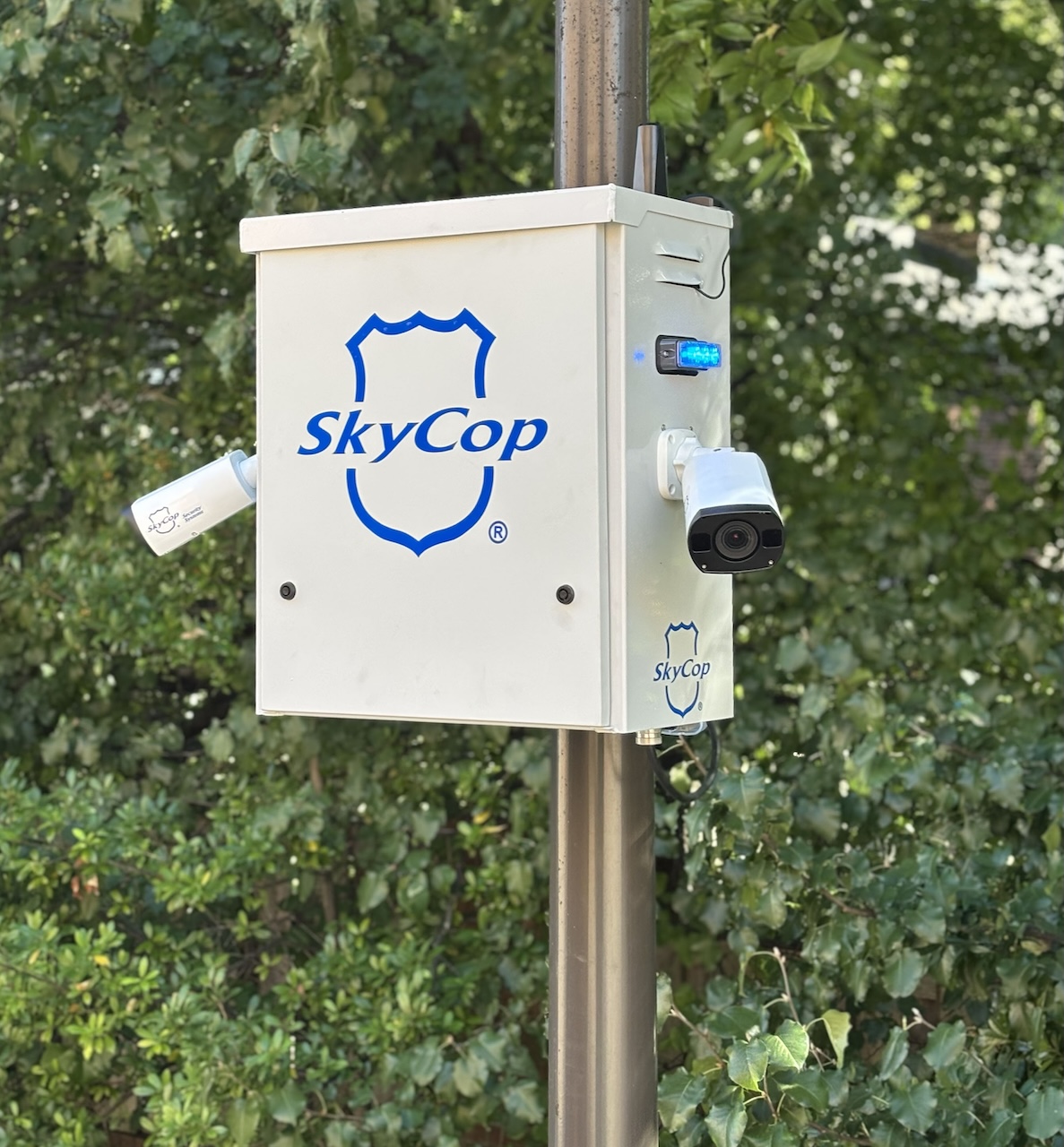
Rapid Deployment of Pole-Mounted Surveillance System Thwarts Internal Theft for a Regional Grocer in Memphis, TN
Client Name & Service Location Leading Regional Grocer, Memphis, TN Client’s Needs A major regional grocery chain was facing a…
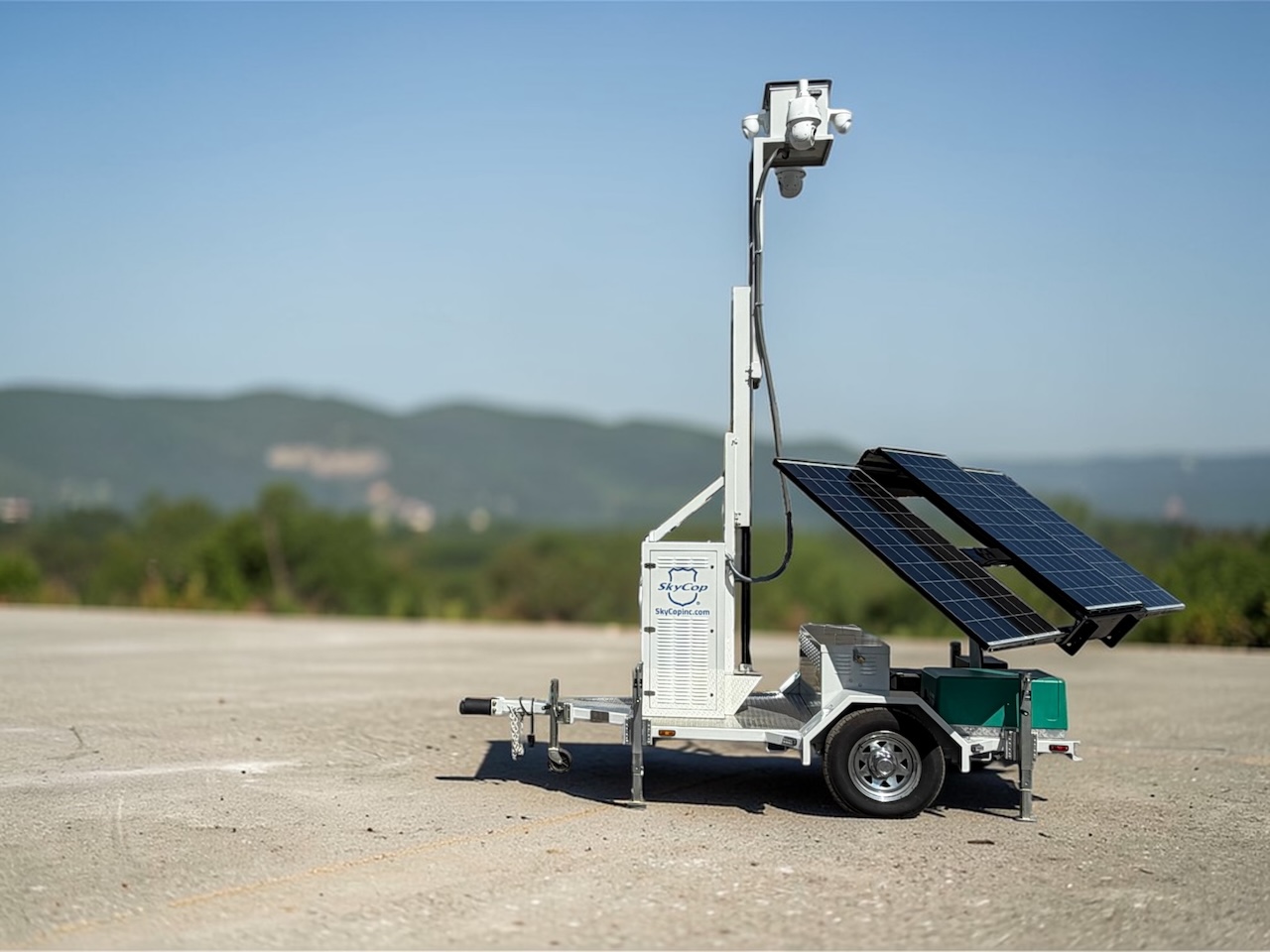
Knowing Your Security Trailer Power Needs to Calculate Solar Generation Requirements
Reliable power is one of the most important parts of any mobile surveillance deployment. A trailer can have advanced cameras,…