License Plate Recognition Systems Jackson MS
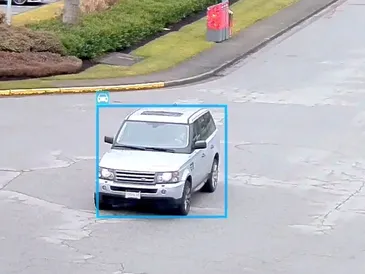
In recent years, License Plate Recognition (LPR) systems have become a pivotal technology in enhancing public safety, traffic management, and law enforcement efficiency across the United States. Jackson, Mississippi, a city with a growing population and increasing traffic demands, is no exception. The adoption of LPR technology in Jackson MS is transforming how authorities monitor vehicular activity, enforce laws, and manage urban infrastructure.
Understanding License Plate Recognition Technology
License Plate Recognition systems use advanced cameras and software algorithms to automatically capture and interpret vehicle license plates. These systems combine high-resolution imaging with optical character recognition (OCR) to convert plate images into digital data. Once captured, this data can be cross-referenced with databases for various applications such as identifying stolen vehicles, managing parking, or monitoring toll compliance.
The technology typically involves fixed cameras mounted on poles or mobile units installed on patrol cars. Infrared illumination ensures that plates can be read accurately even at night or under adverse weather conditions. The software then processes the images in real-time, providing immediate feedback to operators or automated systems.
How LPR Systems Work in Practice
When a vehicle passes within the camera’s field of view, the system captures an image of the license plate. The OCR software extracts the alphanumeric characters and timestamps the reading. This information is then compared against databases such as the National Crime Information Center (NCIC), local vehicle registries, or parking management systems. Alerts can be generated instantly if a vehicle matches a watchlist or violates parking regulations.
In Jackson MS, these systems are increasingly integrated with broader public safety networks, enabling rapid response to incidents and improved situational awareness for law enforcement agencies.
Applications of License Plate Recognition in Jackson MS
Enhancing Law Enforcement and Public Safety
One of the primary uses of LPR systems in Jackson is to aid law enforcement in crime prevention and investigation. By automatically scanning plates, police can quickly identify stolen vehicles, vehicles associated with wanted suspects, or those involved in criminal activities. This capability significantly reduces the time required to process information manually and increases the chances of apprehending offenders.
For example, Jackson Police Department has reported that LPR technology has helped recover numerous stolen vehicles and locate suspects more efficiently. The ability to scan thousands of plates daily without human intervention allows officers to focus on other critical tasks.
Traffic Management and Congestion Reduction
Jackson faces typical urban traffic challenges, including congestion during peak hours and at major intersections. LPR systems contribute to smarter traffic management by providing data on vehicle flow and patterns. This information helps city planners and traffic engineers optimize signal timings, plan road improvements, and manage traffic incidents more effectively.
Moreover, LPR technology supports the enforcement of traffic regulations such as restricted zone access or toll collection. By monitoring vehicle compliance automatically, the city can reduce violations and improve overall traffic safety.
Parking Enforcement and Revenue Collection
Parking management is another critical area where LPR systems have demonstrated significant benefits in Jackson MS. The technology enables automated monitoring of parking spaces, ensuring that vehicles comply with time limits and payment requirements. This reduces the need for manual ticketing and enhances fairness and efficiency.
Additionally, by integrating LPR with mobile payment platforms, the city can streamline the parking experience for drivers while increasing revenue collection accuracy. This integration also helps reduce disputes over parking violations by providing clear, timestamped evidence.
Benefits of Implementing LPR Systems in Jackson
Improved Efficiency and Cost Savings
Automating the process of license plate reading reduces the manpower required for manual checks and data entry. This efficiency translates into cost savings for municipal agencies and law enforcement. In Jackson, where budget constraints are often a concern, LPR systems provide a high return on investment by enabling better resource allocation.
Enhanced Public Safety and Crime Deterrence
The presence of LPR technology acts as a deterrent to criminal activity. Knowing that vehicles are being monitored reduces the likelihood of offenses such as vehicle theft or unauthorized access to restricted areas. Furthermore, rapid identification and alerts improve response times, potentially saving lives and property.
Data-Driven Decision Making
LPR systems generate a wealth of data that can be analyzed to inform policy and operational decisions. Traffic patterns, parking utilization, and law enforcement activity can all be studied to develop smarter urban strategies. Jackson’s city planners and public safety officials benefit from this data-driven approach to managing the city’s transportation ecosystem.
Challenges and Considerations for Jackson MS
Privacy and Data Security
While LPR technology offers many advantages, it also raises important privacy concerns. The continuous collection of vehicle data can lead to potential misuse or unauthorized access. Jackson authorities must ensure that data is stored securely, access is strictly controlled, and usage complies with legal standards.
Public transparency about how LPR data is used and protected is essential to maintaining community trust. Policies should be clearly communicated, and oversight mechanisms put in place to prevent abuse.
Technical and Infrastructure Requirements
Implementing LPR systems requires significant investment in hardware, software, and network infrastructure. Jackson must ensure that cameras are installed in optimal locations and maintained properly to guarantee accuracy and reliability. Additionally, integration with existing law enforcement and traffic management systems is critical for seamless operation.
Legal and Regulatory Compliance
Mississippi state laws and local ordinances govern the use of surveillance technologies like LPR. Jackson must navigate these regulations carefully to avoid legal challenges. This includes respecting limits on data retention, ensuring proper use of collected data, and addressing any concerns raised by civil rights groups.
The Future of License Plate Recognition in Jackson MS
As technology evolves, LPR systems are expected to become even more sophisticated. Advances in artificial intelligence and machine learning will enhance the accuracy of plate reading and enable predictive analytics. Jackson stands to benefit from these innovations by improving public safety and urban mobility further.
Integration with smart city initiatives, such as connected traffic signals and autonomous vehicle infrastructure, will also expand the role of LPR technology. By investing in these systems today, Jackson is positioning itself to be a leader in modern urban management and law enforcement.
Community Engagement and Collaboration
Successful deployment of LPR systems depends not only on technology but also on community support. Jackson officials are encouraged to engage residents, businesses, and advocacy groups in discussions about the benefits and concerns related to LPR. Collaborative approaches help balance security needs with privacy rights, fostering a safer and more inclusive city environment.
Training and Workforce Development
To maximize the potential of LPR systems, Jackson must invest in training for law enforcement officers and technical staff. Understanding how to operate, interpret, and maintain these systems is crucial for effective use. Continuous professional development ensures that the city’s workforce remains adept at leveraging technology to serve the community.
Conclusion
License Plate Recognition systems are transforming the landscape of public safety, traffic management, and urban planning in Jackson, Mississippi. By automating vehicle identification and data collection, these systems improve efficiency, enhance law enforcement capabilities, and support smarter city management. While challenges related to privacy, infrastructure, and regulation exist, careful planning and community engagement can help Jackson harness the full benefits of LPR technology.
As Jackson continues to grow and modernize, embracing License Plate Recognition systems will be a key component in building a safer, more efficient, and more connected city for all residents and visitors.
If you’re looking to enhance the safety and efficiency of Jackson, Mississippi’s public safety and traffic management systems, SkyCop is your dedicated partner. Our state-of-the-art surveillance solutions are designed to seamlessly integrate with existing law enforcement technology, providing better connectivity and faster response times. With a foundation built by law enforcement professionals and technology experts, SkyCop is committed to equipping and educating local police departments on the most effective ways to utilize technology for a safer city. Our innovative approach to video and audio surveillance plays a crucial role in deterring crime and fostering community trust. Contact us today to learn how SkyCop can help protect what matters most to you and your community.

How LPR Cameras Help HOA Communities Monitor and Protect Their Neighborhoods
HOA Communities are always looking for better ways to understand who is entering and moving through their neighborhoods. Traditional security…
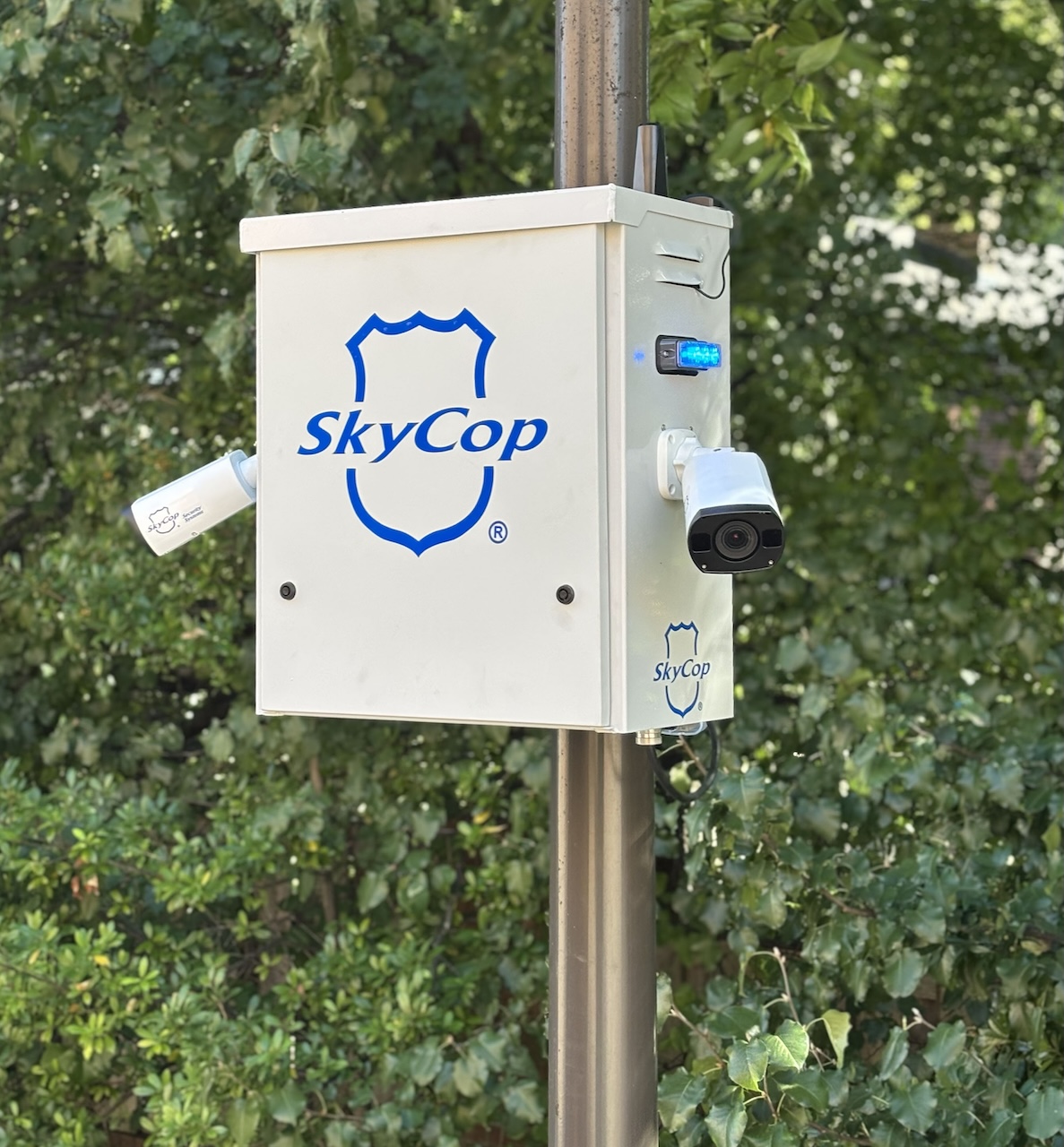
Rapid Deployment of Pole-Mounted Surveillance System Thwarts Internal Theft for a Regional Grocer in Memphis, TN
Client Name & Service Location Leading Regional Grocer, Memphis, TN Client’s Needs A major regional grocery chain was facing a…
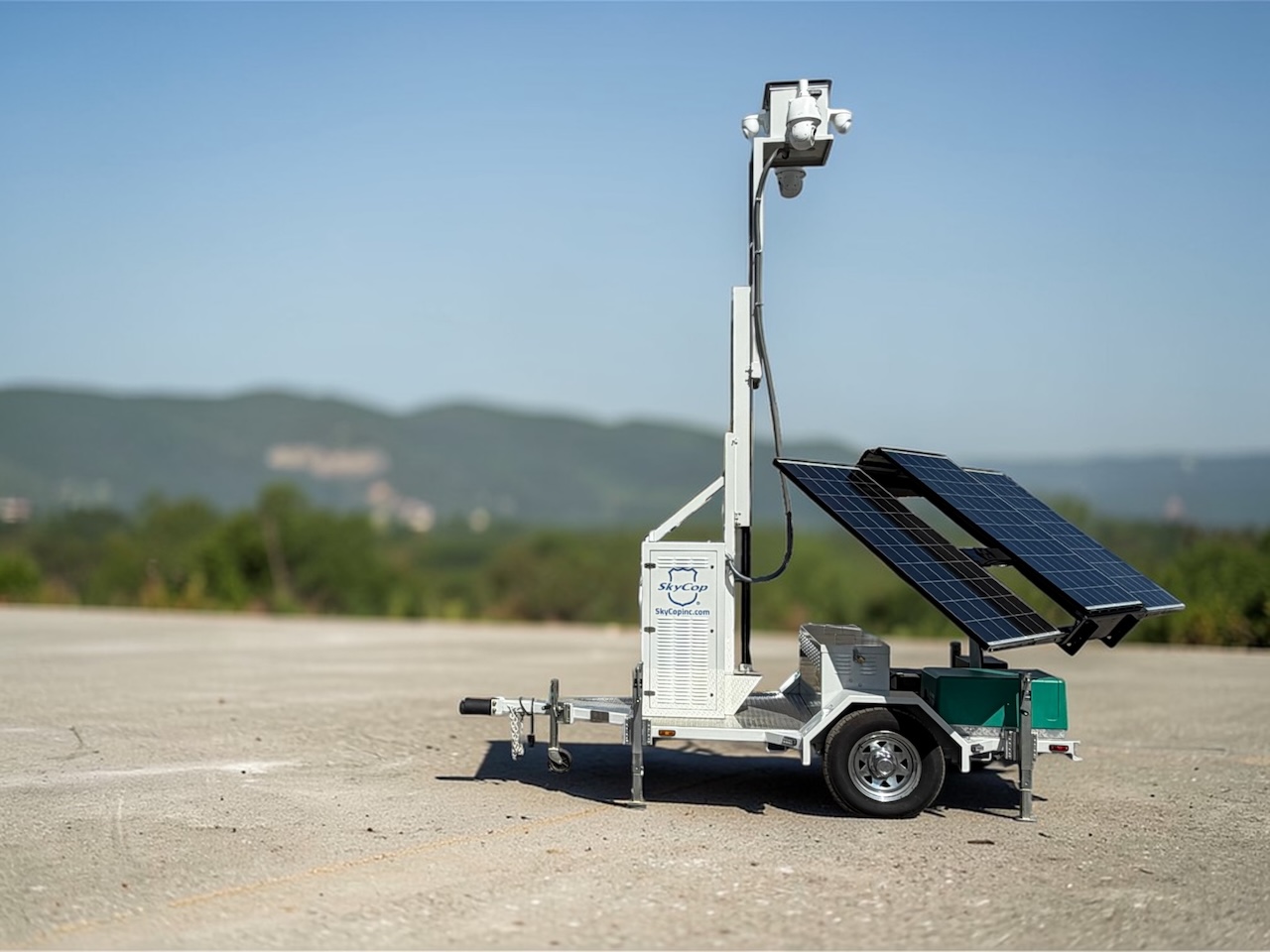
Knowing Your Security Trailer Power Needs to Calculate Solar Generation Requirements
Reliable power is one of the most important parts of any mobile surveillance deployment. A trailer can have advanced cameras,…