Key Takeaways for HOA Community Security
- HOA Security Without Infrastructure: Many HOAs lack common facilities (clubhouses, gatehouses) for traditional security system installation
- Vehicle Monitoring is Critical: Vehicles are a primary access point.
- License Plate Technology: Effective vehicle security relies on Automated License Plate Readers (ALPRs) for License Plate Capture (LPC) and License Plate Recognition (LPR).
- Flexible Deployment Options: Security can be strengthened without permanent, fixed installations with mobile surveillance trailers & pole-mounted camera enclosures.
- Transparency & Trust: Stronger program effectiveness with clear resident communication.
- Law Enforcement Support: Modern vehicle monitoring aids law enforcement.
- Stronger Community Safety: A vehicle monitoring system offers stronger deterrence, clearer documentation, and improves trust and accountability.
Many homeowners associations face a unique challenge when it comes to security. Without clubhouses, gatehouses, or shared buildings, there is often no central place to install or power traditional systems. That leaves some communities with limited visibility into what is happening day to day. With the right approach, HOA community security [1] can still be strengthened through vehicle-focused monitoring that works without permanent infrastructure.
Security Challenges for HOAs Without Shared Infrastructure
When there are no common facilities, communities often lack a consistent place to mount cameras, maintain hardware, or manage power and connectivity. This can limit the ability to document incidents, respond to resident concerns, or quickly provide evidence when something goes wrong. A more flexible approach helps reduce those gaps by improving visibility and control over who enters and exits a property [2].
Why Vehicles Are a Critical Security Touchpoint

Vehicles represent one of the most common access points for neighborhoods, especially in communities without staffed gates. Monitoring entry and exit patterns helps HOAs spot repeat activity, investigate complaints, and understand traffic behavior over time. Residential security research highlights the importance of neighborhood characteristics and environmental features associated with motor vehicle theft prevalence [3], which reinforces the value of focusing on vehicles as a practical security lens.
Understanding License Plate Capture and Recognition
Vehicle monitoring becomes more actionable when systems use automated license plate readers that capture plate numbers along with the location, date, and time [4]. In many setups, this includes a photo record that can support investigations and internal documentation. An effective approach pairs license plate capture [4] with license plate recognition [5] so HOAs can search records quickly, identify recurring vehicles, and support targeted enforcement when needed.
Flexible Security Options Without Permanent Installations
Some communities cannot install fixed systems on buildings that do not exist. Two practical alternatives are mobile surveillance trailers and secured camera enclosures mounted to existing poles. Automated systems can be deployed in a way that supports fixed, mobile, and portable license plate recognition [5], depending on the layout of the community and the level of coverage needed. These options make it easier to adapt over time, shifting equipment to problem areas or high-traffic entrances.
Building Trust Through Transparency and Law Enforcement Support
A vehicle monitoring program is most effective when residents understand what is being monitored and why. Clear communication and defined access rules help prevent misunderstandings while supporting consistent governance. Modern monitoring also supports investigations by providing visual documentation that can aid law enforcement in identifying perpetrators and solving crimes [6]. Communities benefit most when policies address footage access, retention expectations, and appropriate sharing processes.
A Smarter Approach to Community Safety
Vehicle monitoring helps HOAs improve security without requiring a staffed gatehouse or clubhouse-based equipment. The result is stronger deterrence, clearer documentation, and better follow-through when issues arise. A well-planned system also supports a more organized community by adding real-time data on vehicle entry and exit tied to access logs and reporting features [2], which can improve trust and accountability across the neighborhood.
Looking at Options to Strengthen Your HOA Security? Contact SkyCop Today for a No-Obligation Consultation
To learn how flexible vehicle monitoring solutions can support your community’s security goals, contact SkyCop today. Our team can help HOAs evaluate mobile surveillance trailers, pole-mounted camera enclosures, and license plate recognition systems designed for communities without shared facilities.
Sources:
- https://www.chdblaw.com/safety-concerns-in-the-community-keep-common-areas-safe/
- https://washingtonindependent.org/vehicle-access-control/
- https://www.sciencedirect.com/science/article/abs/pii/S0049089X21000958
- https://sls.eff.org/technologies/automated-license-plate-readers-alprs
- https://www.policemag.com/articles/12-things-you-need-to-know-about-lpr
- https://www.myinnovative.com/hoas-and-security-cameras/
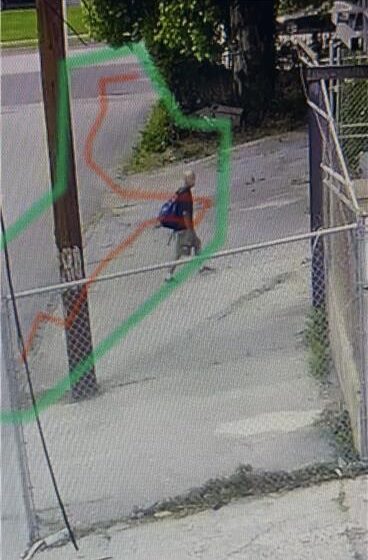
SkyCop Protects a Vulnerable Historic Memphis Property After $400,000 Over 1 Month in Damages & Lost Assets
Client’s Needs A client in Memphis, TN, faced a devastating challenge: an abandoned 100 year old historic apartment building they…
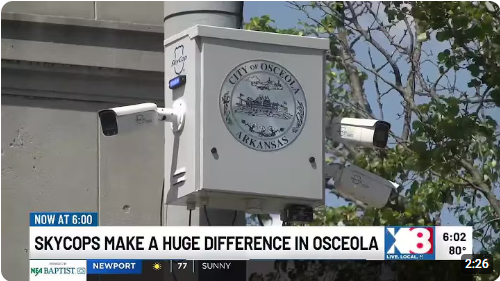
Highlighting How SkyCop Cameras Help Police Solve Crimes and Improve Officer Safety
For law enforcement agencies, public safety depends on having the right information at the right time. A recent news report…
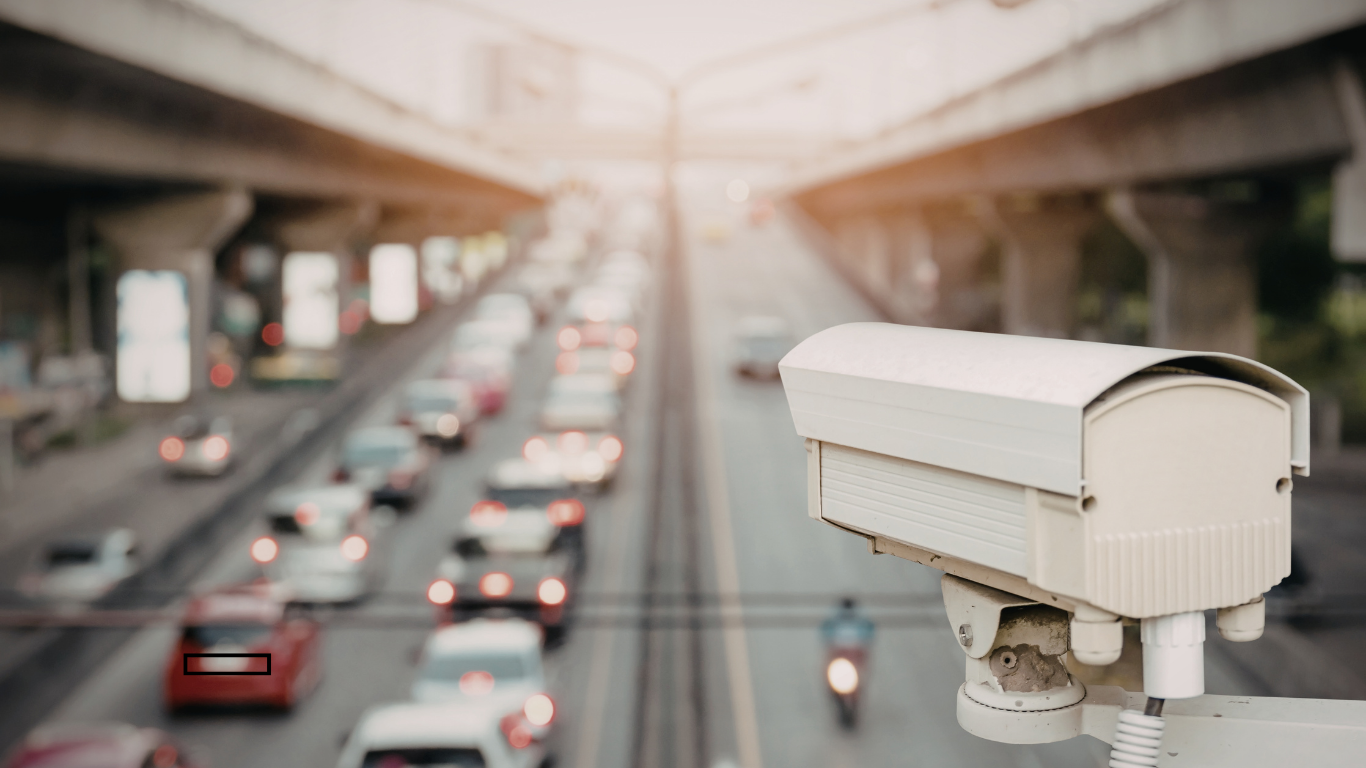
What Are Different & Effective Applications for License Plate Recognition (LPR) Cameras?
License plate recognition (LPR) cameras have become an increasingly valuable tool for security, law enforcement, traffic management, and commercial property…