HOA Communities are always looking for better ways to understand who is entering and moving through their neighborhoods. Traditional security measures often rely on reacting after an issue occurs, but modern technology allows communities to take a more proactive approach. One of the most effective tools available today is license plate recognition (LPR).
Here are some key ways LPR cameras help HOA communities improve visibility, identify vehicles of concern, and respond faster to potential issues.
#1: Capturing Vehicle Data at Key Entry and Exit Points
LPR systems are designed to automatically capture images of passing vehicles and convert license plate numbers into searchable data. These systems use cameras and software to read license plates and store details like time, date, and location of each vehicle [1].
For HOA communities, this means every vehicle entering or leaving can be documented. Cameras can be installed on existing power poles or new poles in strategic locations to maximize coverage. This creates a clear record of traffic flow without requiring manual monitoring.
With SkyCop LPR systems, communities can establish consistent visibility across entrances, exits, and high-traffic areas.
#2: Identifying Suspicious or Stolen Vehicles in Real Time
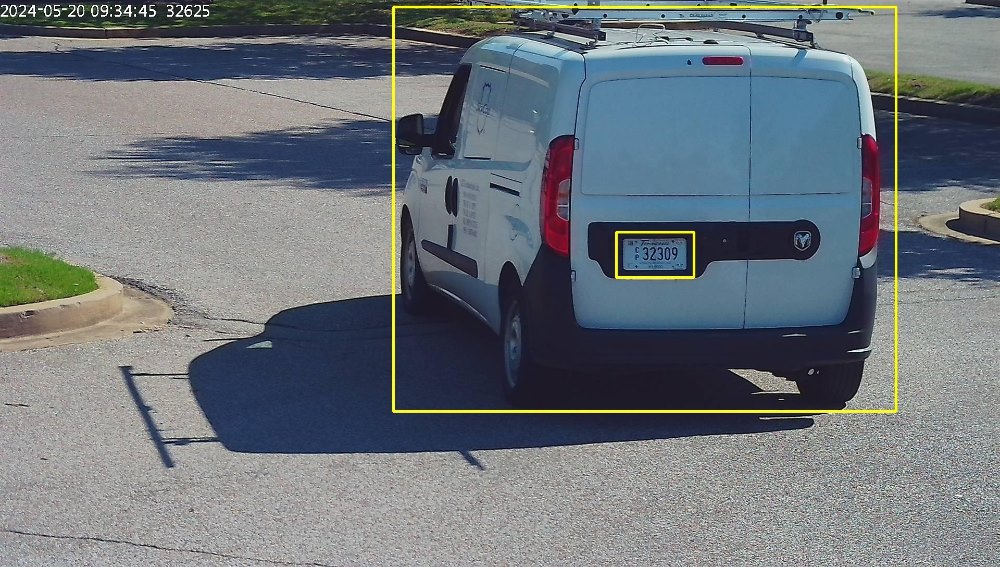
One of the most valuable features of LPR technology is its ability to compare captured license plates against databases of vehicles of interest. Systems can check plates against “hot lists” that include stolen vehicles or those linked to investigations and generate alerts when there is a match [2].
This allows HOA communities to move beyond passive monitoring. Instead of reviewing footage after an incident, alerts can notify users immediately when a flagged vehicle enters the area.
SkyCop LPR systems take this further with real-time notifications, including customizable “be on look out” (BOLO) alerts and integration with law enforcement data when applicable.
#3: Supporting Faster Responses and Stronger Investigations
In addition to real-time alerts, LPR systems create a searchable record of vehicle activity. Captured license plate data can be stored and later reviewed to help identify patterns, locate vehicles, or support investigations [3].
For HOA Communities, this can be useful in situations such as:
- Identifying unfamiliar vehicles linked or repeated incidents
- Providing information to law enforcement when needed
- Reviewing activity around a specific date or time
SkyCop LPR solutions allow users to store and search plate data, making it easier to access critical information when it matters most.
#4: Creating a More Proactive Neighborhood Security Strategy
LPR technology is not just about responding to crime. It also plays a role in prevention. The presence of license plate recognition systems can help deter unlawful activity while also providing valuable data for community safety efforts [3].
HOA communities benefit from increased awareness of vehicle movement, which can lead to quicker identification of unusual patterns or unauthorized access.
With SkyCop LPR systems, communities can shift from reactive security to a more proactive and informed approach.
#5: Why Professional Deployment Matters
The effectiveness of an LPR system depends heavily on how and where it is installed. Fixed systems are often mounted on infrastructure such as poles or buildings to maximize visibility and ensure consistent performance. Strategic placement at high-traffic or controlled access points improves the ability to capture accurate and useful data [2].
SkyCop LPR systems are designed with flexibility in mind. Cameras can be mounted to existing poles or new installations, allowing each community to create a setup that fits its layout and security goals.
With AI-powered accuracy, real-time monitoring, and seamless system integration, SkyCop provides a reliable solution for HOA communities looking to enhance their security infrastructure.
Partner with SkyCop to Take Control of Your Community’s Visibility and Security
HOA communities no longer have to rely on limited visibility or delayed responses when it comes to neighborhood safety. LPR technology provides a smarter way to monitor vehicle activity, identify potential risks, and support faster decision-making.
With SkyCop LPR systems, your community gains the tools needed to capture critical vehicle data, receive real-time alerts, and maintain a clearer understanding of what is happening throughout your neighborhood.
Take the next step toward a more secure informed community. Contact SkyCop today to learn how our LPR solutions can be tailored to your HOA’s needs.
Sources:
Do Visible Security Cameras Deter Crime? Our Experience Says Yes and Why Visibility Matters
When businesses invest in video surveillance, it is easy to focus primarily on what happens after an incident. Security cameras…
Advanced Mobile Surveillance Technology That Adapts to Changing Security Environments
Security priorities rarely stay in one place. A construction project may need protection for several months, while a festival or…
Addressing Recurring Break-ins with a Mobile Surveillance Trailer for Hamilton Creek in Nashville TN
Client’s Needs Hamilton Creek was facing recurring break-ins at their facility. Dealing with unauthorized intrusions creates an environment of vulnerability…