When businesses invest in video surveillance, it is easy to focus primarily on what happens after an incident. Security cameras can capture valuable footage, document activity, and provide evidence when something goes wrong. However, a well-designed surveillance system can also play a role before an incident ever occurs.
Making cameras and other security measures noticeable can signal that a property is actively monitored. Situational crime prevention focuses on changing the environment surrounding potential crime to make offending less attractive, including by increasing surveillance and the perceived risk of being caught [1].
For businesses, municipalities, parking facilities, construction sites, and other properties, visibility can be an important part of a broader security strategy.
Visible Security Creates an Immediate Signal
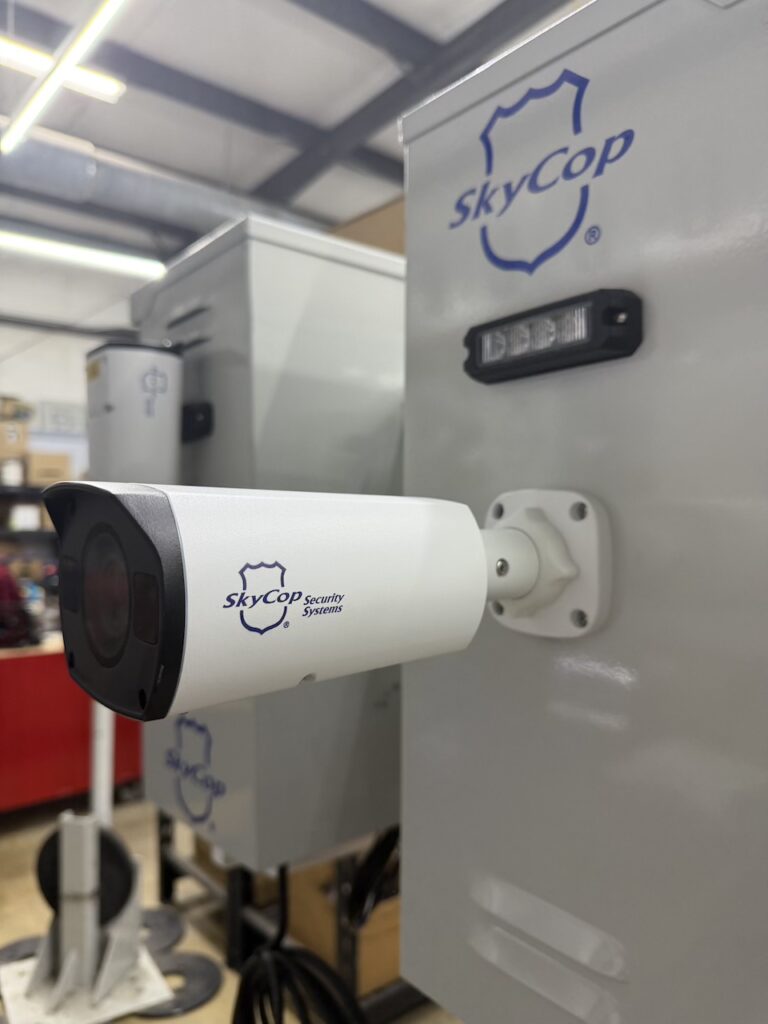
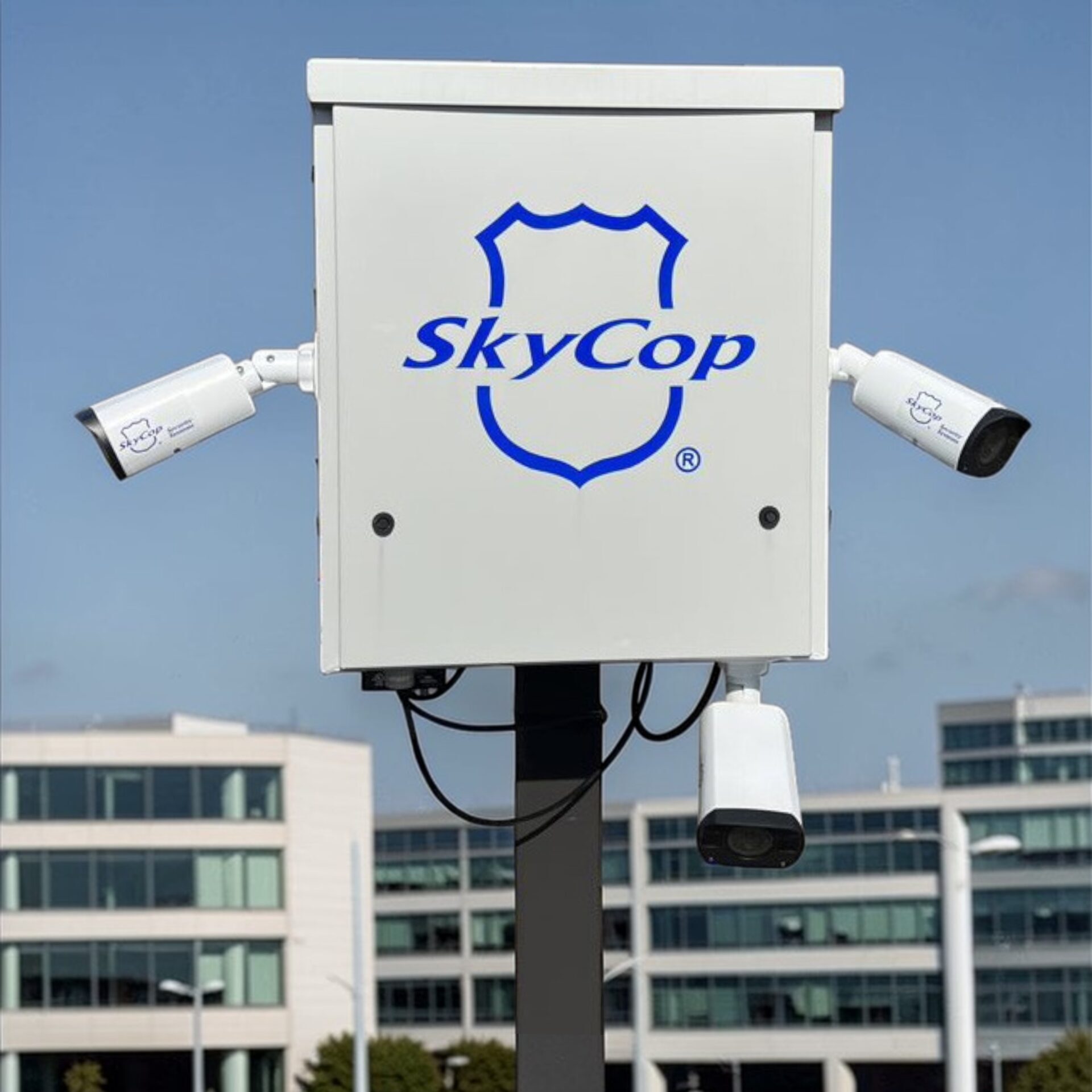
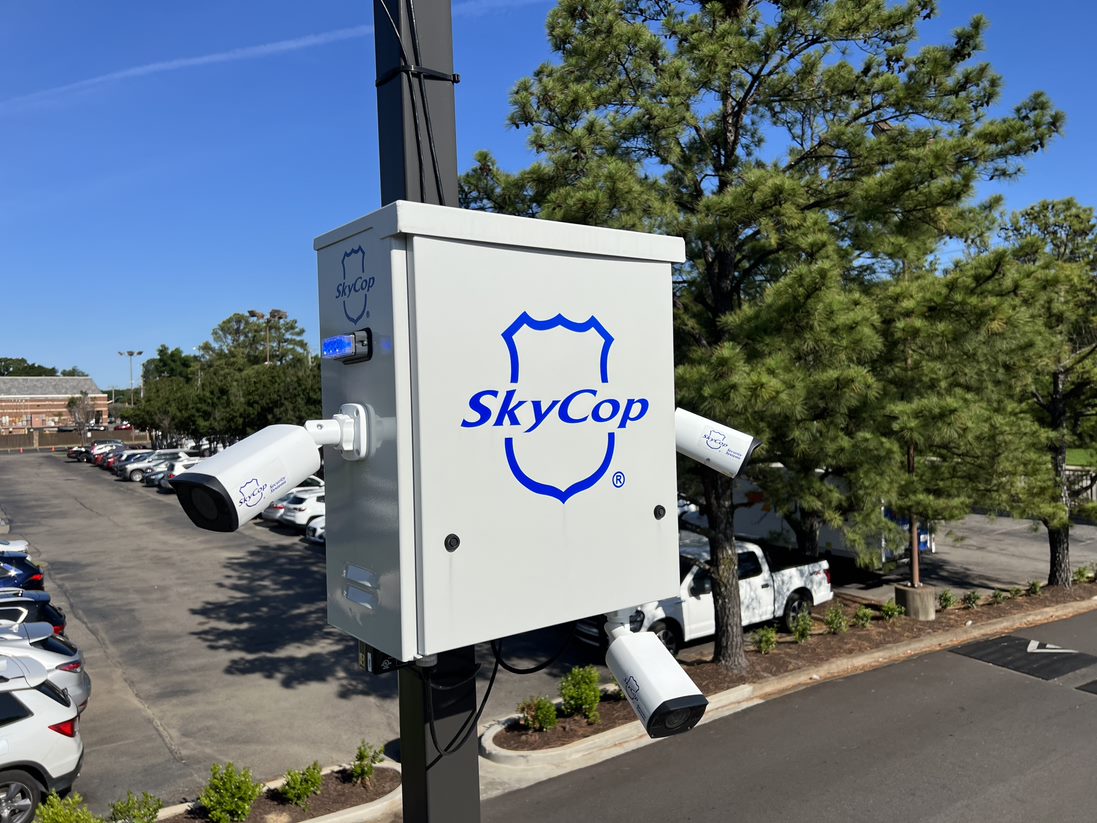
A hidden camera may capture activity without someone realizing they are being recorded. A highly visible surveillance system, such as on a mobile trailer in a parking lot or camera enclosure installed on a light pole, serves a different purpose. It makes the presence of security apparent from the start.
That visibility can help reinforce the idea that activity on the property is being monitored and documented. While no camera can guarantee that crime will not occur, the principle behind visible security aligns with strategies designed to increase the perceived risk associated with unwanted behavior.
Research outside traditional property surveillance also demonstrates how visible authority cues can influence behavior. In a Missouri work zone study, a speed trailer equipped with flashing red and blue lights produced an additional 2.8 mph daytime speed reduction, while a work vehicle with flashing red and blue lights produced an additional 2.1 mph nighttime reduction [2]. Although traffic management and crime prevention are different applications, the findings illustrate how conspicuous visual signals can influence behavior.
Why Nighttime Visibility Still Matters
A security system also needs to remain useful after daylight disappears. Darkness can make identifying people, vehicles, and activity more difficult without the right camera technology.
Modern day-and-night surveillance cameras can automatically adapt as lighting conditions change. Day-and-night cameras can use visible and near-infrared light to produce high-quality grayscale video when available visible light becomes insufficient [3]. With dedicated IR illumination, surveillance cameras can continue capturing usable footage even in complete darkness.
Infrared technology can be particularly useful when bright white lighting would be disruptive. IR illumination provides discreet nighttime surveillance without introducing the visible light and light pollution associated with conventional illumination [3].
Depending on the property, businesses may also choose cameras with low-light color capabilities or visible spotlights. Spotlight-enhanced night vision provides its own visible illumination, allowing cameras to capture color footage while the sudden light can also serve as a visual deterrent [4].
Deterrence and Documentation Can Work Together to Strengthen Security
Businesses do not necessarily have to choose between a system that deters and one that documents. Visible cameras can establish an obvious security presence, while technologies such as IR illumination can help maintain surveillance when lighting conditions change.
The right approach depends on the property, its lighting, areas of concern, and the level of detail needed from recorded footage. Cameras may also be combined with other visible security measures to create a stronger overall presence.
At the same time, surveillance should be deployed with applicable privacy and legal requirements in mind. Surveillance can be conducted overtly or covertly, but its use is subject to legal limitations depending on who is conducting it, the technology involved, and the circumstances [5].
Build a More Visible Security Presence & Deterrence With SkyCop
Effective surveillance is about more than recording an incident. The right system can help establish a noticeable security presence while providing clear footage when it matters most.
SkyCop helps organizations build surveillance solutions designed around their properties, security priorities, and operating environments. Contact SkyCop to explore how visible surveillance, nighttime camera technology, and strategically placed security equipment can work together to strengthen your property’s security presence.
Sources:
What Are the Internet Connectivity Options for SkyCop Security Camera Enclosures?
Reliable internet connectivity is an important part of an effective surveillance system. Whether monitoring a construction site, commercial property, or…
5 Important Features to Look for in Construction Site Surveillance Cameras
Construction sites face unique security challenges, from expensive equipment and building materials to constantly changing layouts and access points. Choosing…

How SkyCop LPR Software Helps to Detect & Prevent Unauthorized License Plate Searches
License plate recognition (LPR) technology helps law enforcement identify stolen vehicles, respond to alerts, and investigate criminal activity. However, as…