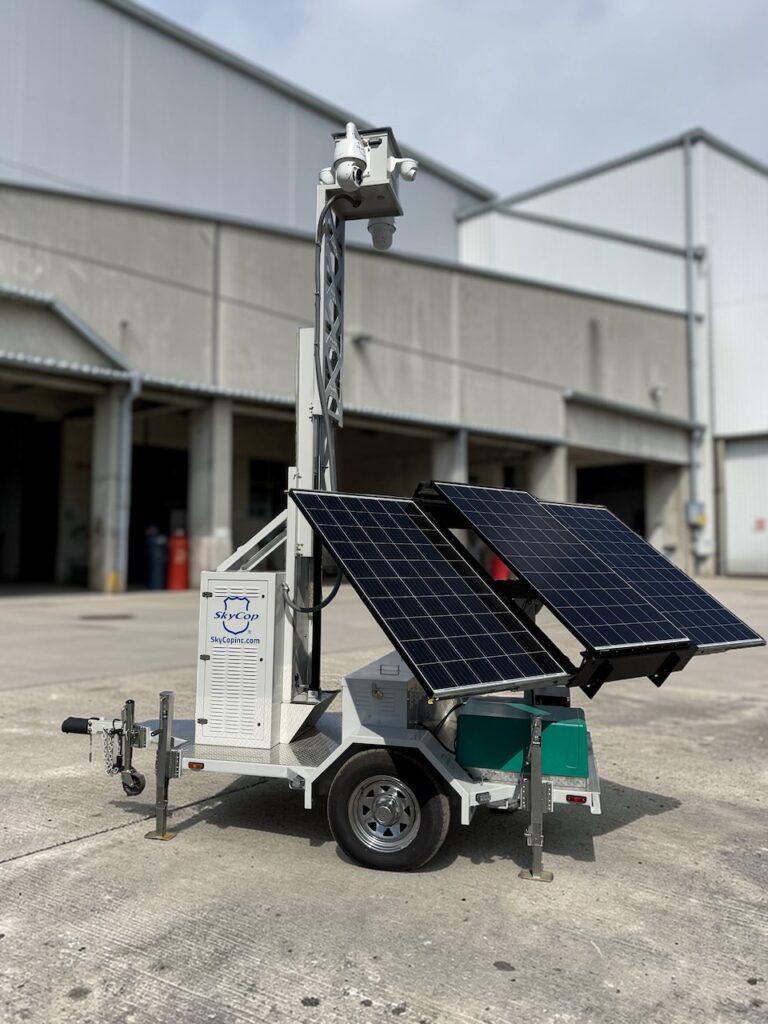
Mobile security trailers can provide flexible surveillance for construction sites, parking facilities, public events, critical infrastructure, and other locations that need temporary or supplemental security coverage. Before deploying one, however, procurement teams must determine whether purchasing or leasing better aligns with their financial plans and operational goals.
Purchasing generally treats the trailer as a long-term capital asset, while leasing may distribute costs across an operational budget. Neither approach is automatically better. The right decision depends on deployment length, available funding, maintenance capabilities, and how quickly the organization’s security technology needs may change.
Factor 1: How Does the Expense Fit Your Budget?
Purchasing a mobile security trailer will typically require a larger upfront investment. Capital expenditures are commonly used to acquire equipment or technology that will provide value for more than one year [1], with the cost recorded as an asset and generally depreciated over its useful life.
This approach may suit organizations with an approved capital budget and a predictable long-term need for mobile surveillance. Ownership also means the organization retains the physical asset after the initial cost has been paid.
Leasing can be easier to incorporate into ongoing operating costs. Operating expenses cover the recurring costs associated with an organization’s everyday activities [2], which may include rental or lease payments. Spreading the expense over a defined term can help preserve capital for other projects and provide more predictable monthly or annual security costs.
Factor 2: How Long Will the Trailer Be Needed?
Buying may offer greater value when a mobile security trailer will be deployed regularly for several years. The total lifetime cost of purchasing equipment is often lower than repeatedly leasing it [3], especially when the asset has a long useful life and continues meeting the organization’s needs.
Ownership may be appropriate for agencies, campuses, utilities, and businesses that expect recurring deployments across multiple properties or projects. However, the organization assumes responsibility for storage, transportation, repairs, insurance, and eventual replacement.
Leasing may be more practical for construction projects, temporary events, seasonal operations, or sites with uncertain timelines. Short-term leasing gives organizations access to equipment without committing substantial upfront capital or long-term ownership [3]. It can also allow procurement teams to evaluate whether a mobile security trailer is suitable before making a larger investment.
Factor 3: Who Will Handle Maintenance and Technology Updates?
Ownership provides control over deployment, configuration, and availability, but it also transfers maintenance obligations to the buyer. The organization must plan for camera repairs, software updates, connectivity, battery or power-system upkeep, and other lifecycle costs.
Some lease agreements include maintenance and repair support. Leasing can reduce the burden of unexpected equipment repairs when maintenance responsibilities remain with the provider [4]. This arrangement may also limit downtime if the leasing company offers technical assistance or equipment replacement.
Security technology can advance quickly. A lease that includes equipment substitution or renewal options may help organizations access newer cameras, analytics, communications technology, and system features without replacing an owned trailer prematurely.
Factor 4: Does a Government Purchasing Contract Apply?
Government procurement teams should also examine available purchasing vehicles. The GSA Multiple Award Schedule allows eligible federal, state, local, territorial, and tribal government organizations to order products and services from approved contracts [5], subject to the authority and requirements of the applicable purchasing program.
When a mobile security trailer or related services are available through an appropriate contract, purchasing through that channel may simplify market research, pricing evaluations, and acquisition procedures. Eligibility and ordering requirements should always be confirmed before selecting a procurement method.
Choose a Security Investment with SkyCop That Supports Your Operations
Buying may be the stronger option for organizations seeking long-term ownership, frequent deployments, and control over the equipment. Leasing may better support temporary projects, limited upfront budgets, included maintenance, or regular technology refreshes.
SkyCop can help your organization evaluate its deployment timeline, surveillance priorities, site conditions, and budget structure before selecting an acquisition strategy. Contact SkyCop to explore a mobile security trailer solution that supports both your immediate security requirements and your long-term operational plans.
Sources:
- https://www.investopedia.com/terms/c/capitalexpenditure.asp
- https://www.investopedia.com/terms/o/operating_expense.asp
- https://www.sba.gov/business-guide/manage-your-business/buy-assets-equipment
- https://www.wolterskluwer.com/en/expert-insights/leasing-equipment-for-your-business
- https://www.gsa.gov/buy-through-us/purchasing-programs/multiple-award-schedule/help-with-mas-buying/overview-for-mas-buying
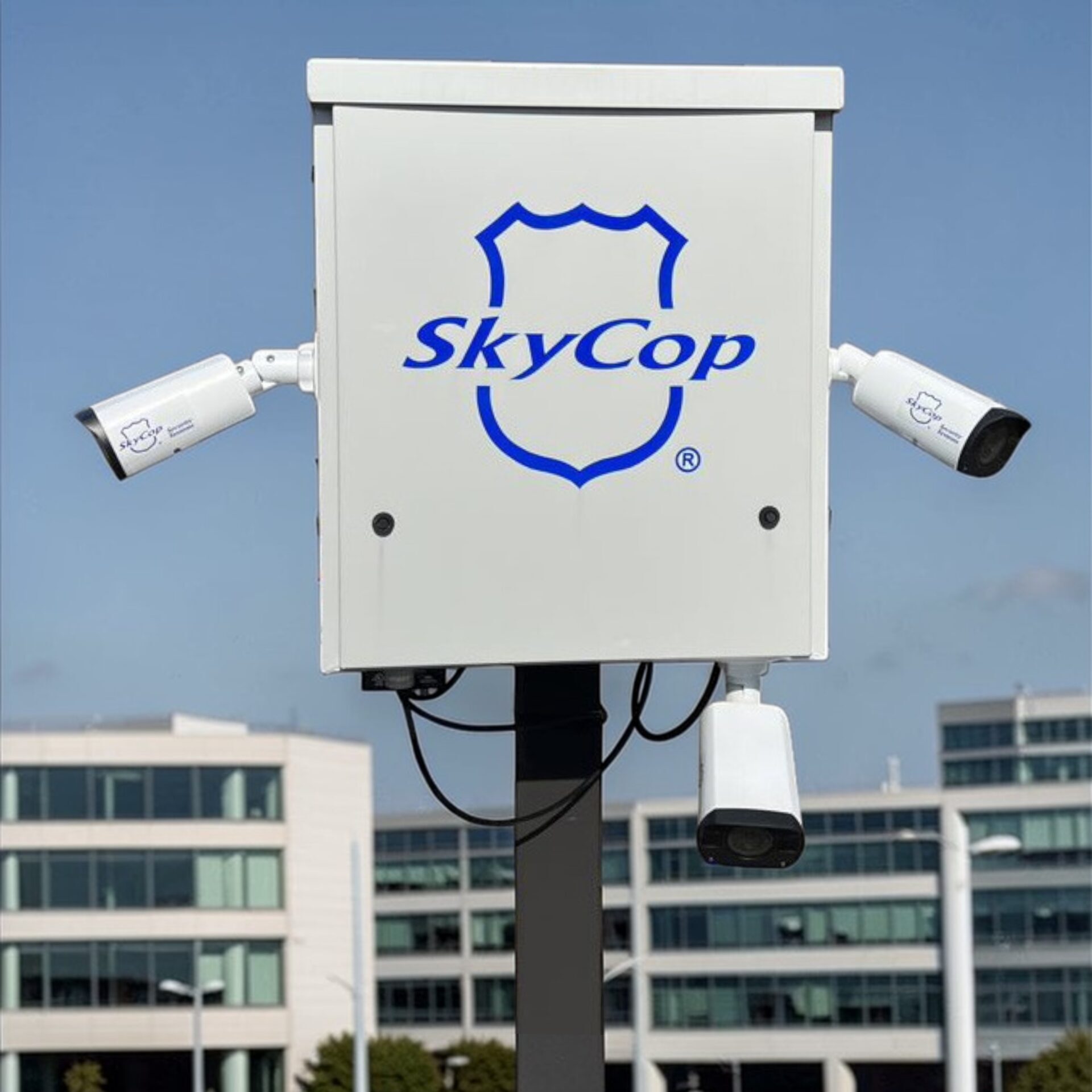
What Are the Internet Connectivity Options for SkyCop Security Camera Enclosures?
Reliable internet connectivity is an important part of an effective surveillance system. Whether monitoring a construction site, commercial property, or…
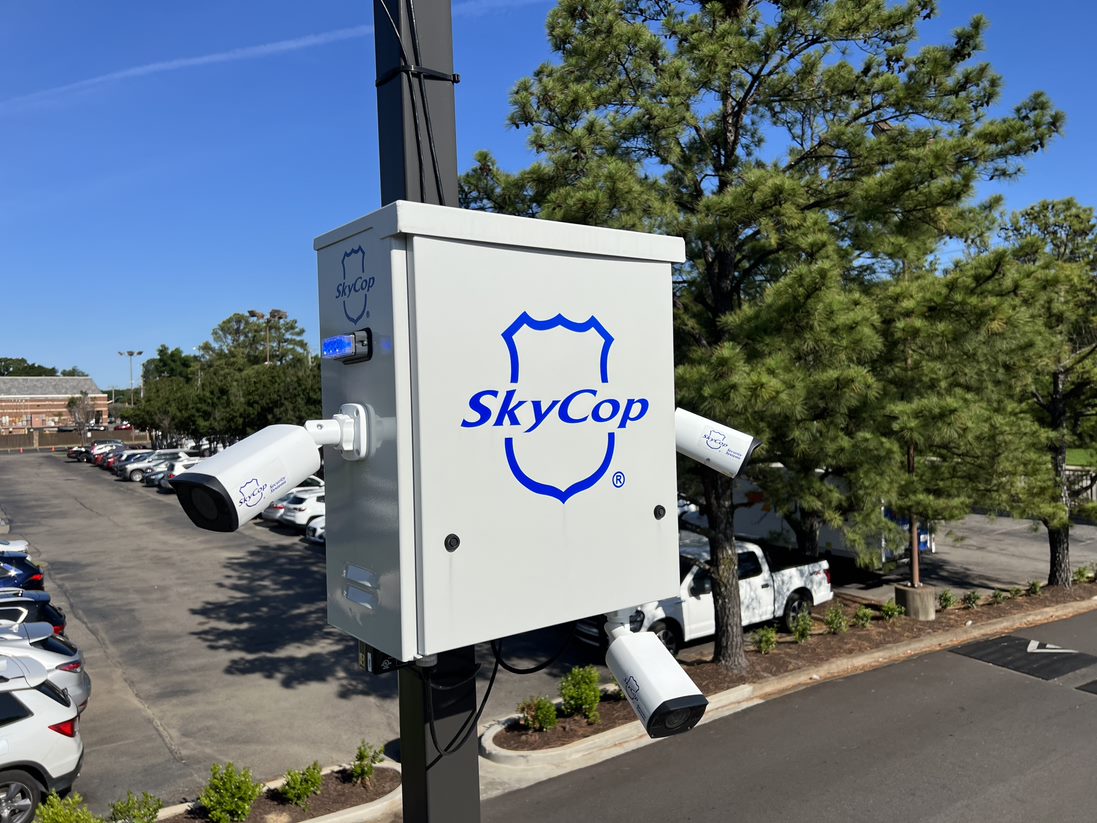
5 Important Features to Look for in Construction Site Surveillance Cameras
Construction sites face unique security challenges, from expensive equipment and building materials to constantly changing layouts and access points. Choosing…

How SkyCop LPR Software Helps to Detect & Prevent Unauthorized License Plate Searches
License plate recognition (LPR) technology helps law enforcement identify stolen vehicles, respond to alerts, and investigate criminal activity. However, as…