Solar power can provide a practical way to operate security trailer cameras in locations without convenient access to utility power. But what happens when those trailers are deployed farther north, where winter can bring shorter periods of sunlight, snow-covered panels, and harsh weather?
The answer is yes, security trailer cameras can be solar powered in northern climates. However, reliable year-round operation requires a system designed around local conditions, equipment demands, battery capacity, and available backup power.
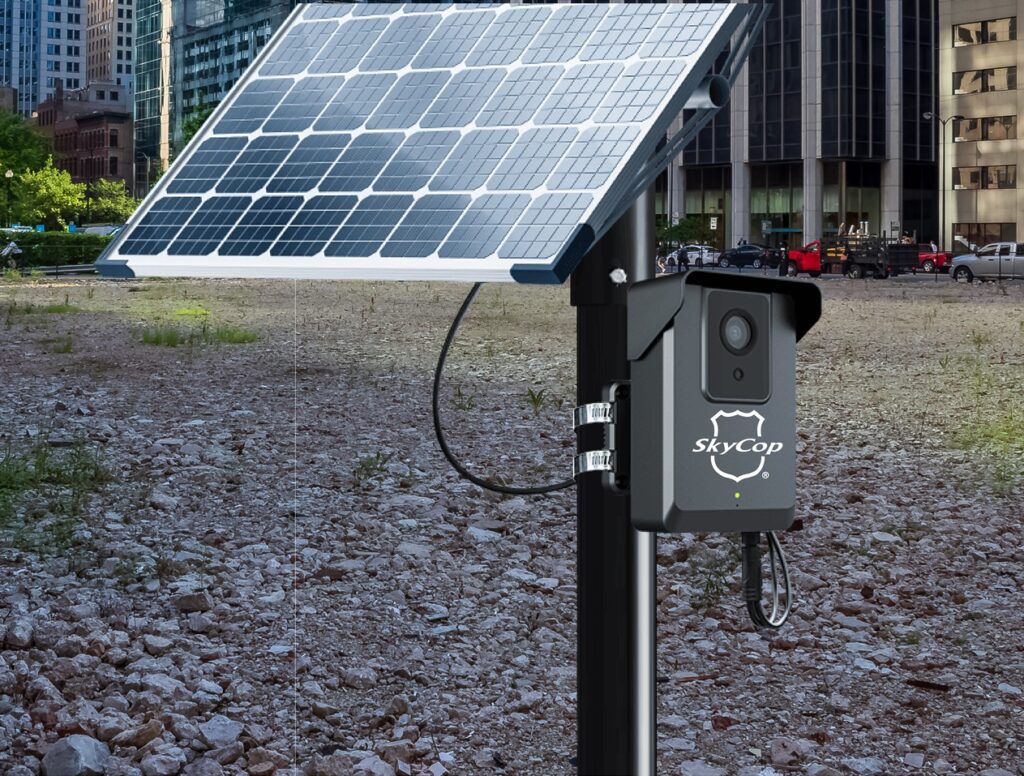
Cold Weather Does Not Stop Solar Power
It may seem like freezing temperatures would make solar power less effective, but cold temperatures themselves are not necessarily the problem. Solar photovoltaic modules actually operate more efficiently in colder weather, while snow and ice can create operational challenges and limit power production [1].
Snow accumulation is particularly important when planning a solar-powered security system. While much of the snow that lands on panels may melt or blow away, heavier snow and extreme winter weather can create greater risks for solar installations [1]. Panel positioning can also make a difference, as higher tilt angles allow accumulated snow to shed more quickly.
For a security trailer that needs continuous power, these winter conditions have to be considered before deployment.
Northern Deployments Require the Right Solar Configuration
A solar-powered security trailer should not use the same configuration for every location. SkyCop designs each system around the specific conditions and security requirements of the deployment.
That process includes assessing the power draw from cameras, video storage, and networking equipment, along with the site’s sun exposure and potential obstructions. SkyCop also considers the desired runtime, geographic region, and seasonal changes in sunlight when determining the appropriate solar array and battery capacity.
This becomes especially important in northern climates, where seasonal conditions can affect how much solar energy is available to recharge the system’s batteries.
What If Solar Power Alone Is Not Enough?
For some northern deployments, solar power and battery storage may provide everything the security trailer needs. In other situations, extended periods of low solar gain, snow-covered panels, or greater equipment demands may make additional power redundancy necessary.
SkyCop offers a Hybrid Solar + Generator option for these applications. The generator serves as an automatic backup, recharging the batteries and powering the surveillance system during prolonged periods of insufficient solar generation. For locations with utility power available, a Solar + Grid Assist configuration can use solar as the primary source while automatically switching to the grid for backup.
This means a northern deployment does not have to choose between relying entirely on solar or abandoning solar power altogether.
Design Solar Surveillance Around the Environment
Winter conditions also highlight why properly sizing and configuring a solar system matters. Video is not the only technology that requires careful planning for winter conditions. Solar PV systems should be designed to withstand the environmental conditions they are expected to experience [1].
SkyCop’s systems are designed for 24/7 surveillance, with solar arrays and battery banks sized around equipment load and regional sunlight data. Depending on the deployment, a fully solar, generator-assisted, or grid-assisted configuration can provide the power strategy needed for reliable operation.
Keep Your Security Coverage Powered Year-Round with SkyCop
Northern climates do not automatically rule out solar-powered security trailers. The key is designing the power system around seasonal sunlight, snow conditions, equipment demands, required runtime, and the level of backup assurance the site needs.
SkyCop engineers solar-powered surveillance solutions around the demands of each deployment, with fully off-grid and hybrid options available when additional redundancy is needed.
Contact SkyCop today to discuss your site’s conditions and build a power configuration designed to keep your surveillance coverage running throughout the year.
Sources:
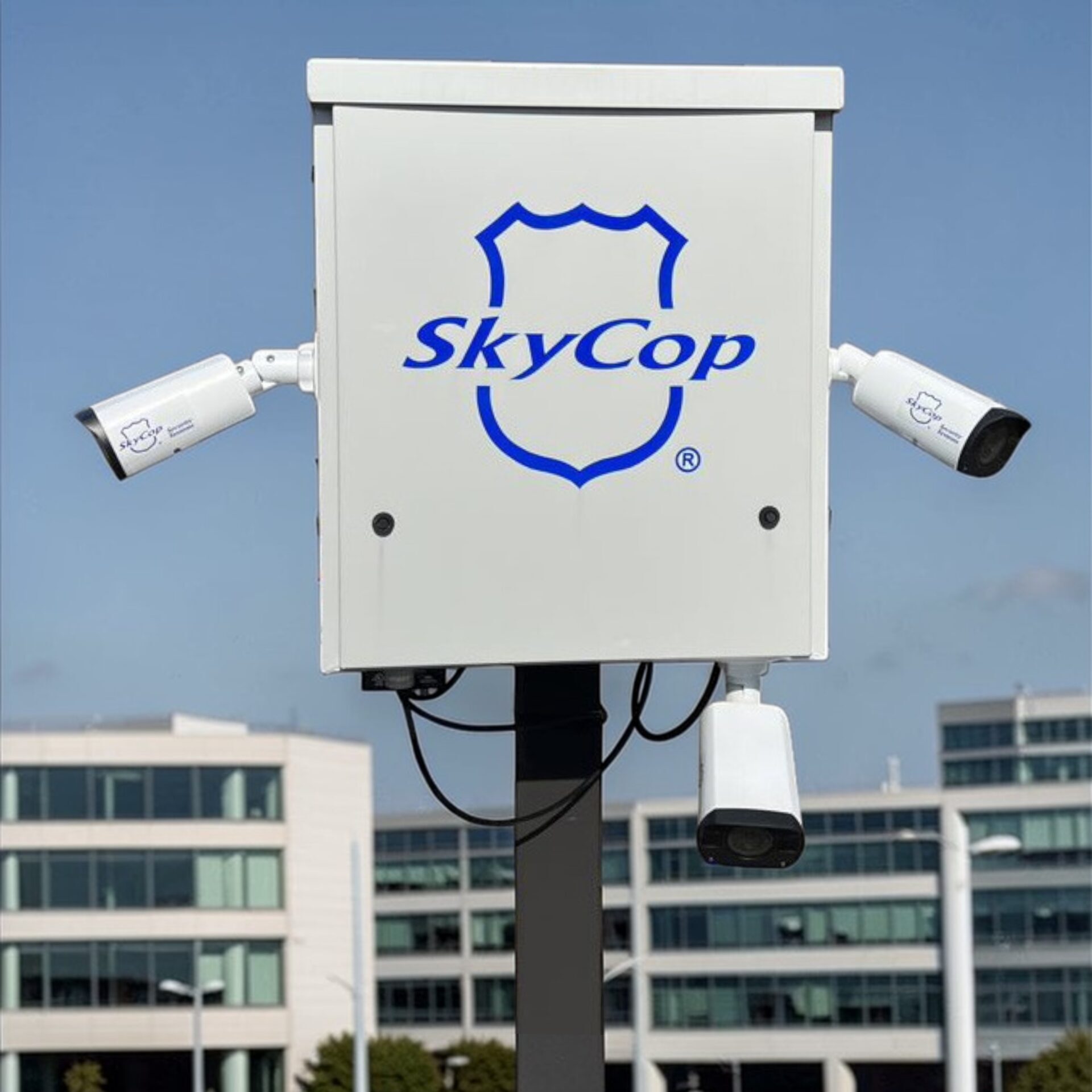
What Are the Internet Connectivity Options for SkyCop Security Camera Enclosures?
Reliable internet connectivity is an important part of an effective surveillance system. Whether monitoring a construction site, commercial property, or…
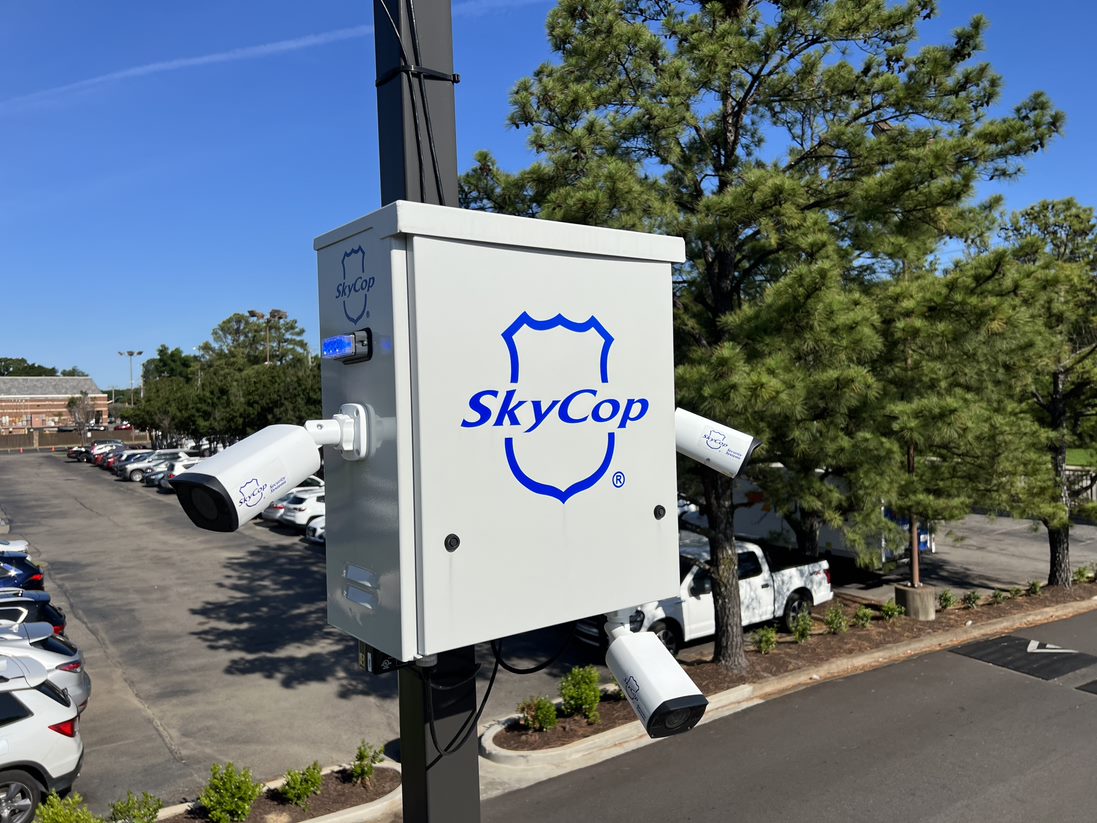
5 Important Features to Look for in Construction Site Surveillance Cameras
Construction sites face unique security challenges, from expensive equipment and building materials to constantly changing layouts and access points. Choosing…
How SkyCop LPR Software Helps to Detect & Prevent Unauthorized License Plate Searches
License plate recognition (LPR) technology helps law enforcement identify stolen vehicles, respond to alerts, and investigate criminal activity. However, as…