Security needs are rarely static. Construction sites transform as work progresses, while event layouts, schedules, and crowd activity can shift significantly throughout the day. A surveillance system positioned correctly at the beginning of a project or event may eventually overlook the areas that require the most attention.
Fixed cameras can provide reliable long-term coverage, but they may not adapt easily when equipment, temporary structures, access points, or crowds move. Mobile surveillance trailers and portable camera enclosures offer a flexible alternative that can be repositioned and configured as conditions change.
Construction Sites Change With Each Project Phase
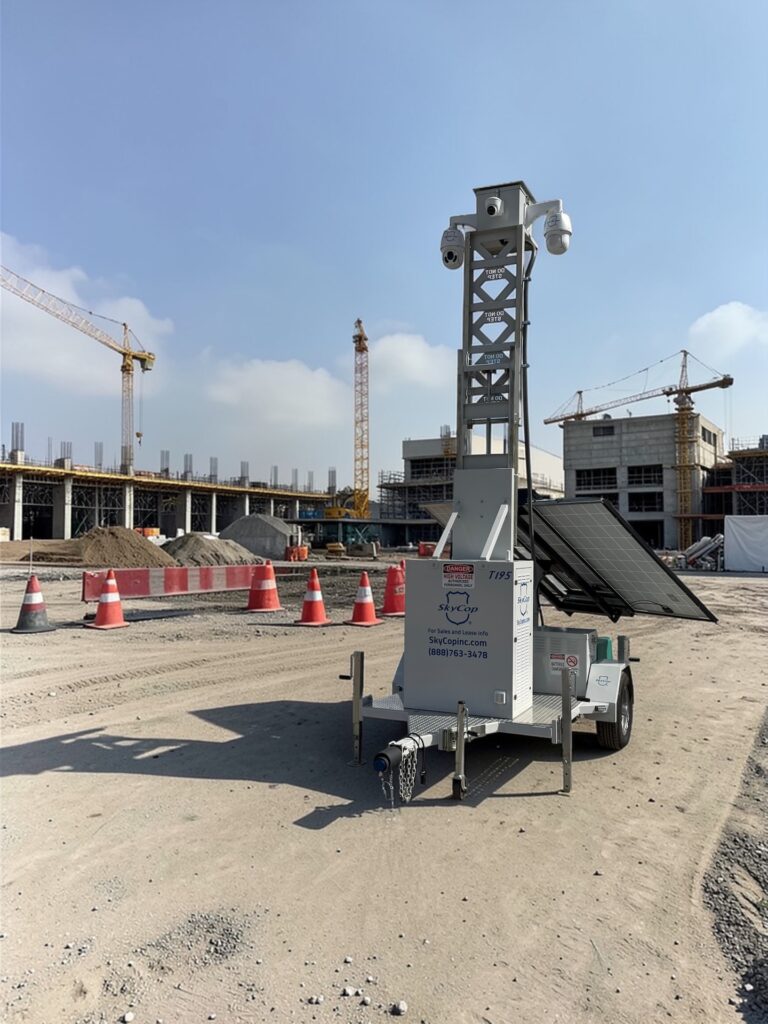
Construction projects progress through several stages, from early planning and active construction to closeout and occupancy. The construction phase begins when physical work starts and continues until the physical work is completed [1], after which equipment is removed, the site is cleaned, and remaining punch-list items are addressed.
These changing phases also create changing security priorities. Early in a project, monitoring may focus on heavy equipment, fuel storage, building materials, and perimeter access. Later phases may introduce valuable wiring, fixtures, appliances, tools, and finished interior areas.
Temporary fencing, material storage zones, contractor parking, and delivery entrances may also move as the project advances. A fixed camera aimed at yesterday’s high-risk area may no longer provide the most useful coverage. Mobile surveillance equipment can be relocated to follow the changing layout and protect the assets currently at risk.
Event Crowd Flow Can Shift Throughout the Day
Events present a different type of fluid security environment. Crowd activity may be concentrated near entrances before opening, move toward stages or attractions during the event, and shift toward exits, transportation areas, or parking lots when the event ends.
Crowd managers are responsible for keeping aisles and exit paths clear while monitoring venue capacity and controlling access [2]. Entry and exit areas also function as waiting spaces, transfer points, security checkpoints, and communication zones. The number of visitors, staffing levels, search requirements, admission schedules, and visitor behavior can all affect how people move through an entrance [3].
These conditions may change quickly. An entrance that requires close attention in the morning may become quiet later, while another area develops long lines or heavy foot traffic. Flexible surveillance allows organizers to adjust coverage as these crowd patterns develop.
Fixed Installation Surveillance Cameras May Have Practical Limitations
Fixed cameras are generally designed around a known layout and established infrastructure. Once installed, their coverage depends on their mounting location, viewing angle, power source, and surrounding environment.
Construction equipment, temporary walls, tents, signs, vegetation, or crowds can obstruct an otherwise useful camera view. Changing lighting conditions can also reduce surveillance effectiveness. Insufficient lighting can create dark or unclear footage, decrease situational awareness, and contribute to security blind spots [4].
Relocating a permanent system may require additional wiring, mounting work, network changes, or downtime. This can make fixed installations less practical for temporary environments or spaces that change frequently.
Mobile Surveillance Trailers Follow & Monitor Changing Priorities
SkyCop’s mobile surveillance trailers are designed for fast deployment and can operate without existing infrastructure. Their elevated masts, visible presence, lighting, audio capabilities, remote monitoring, AI detection, and power-management options allow them to support a wide variety of temporary security needs.
When a construction phase ends or an event area becomes less active, a trailer can be moved to monitor another entrance, storage area, parking lot, equipment zone, or crowd gathering point.
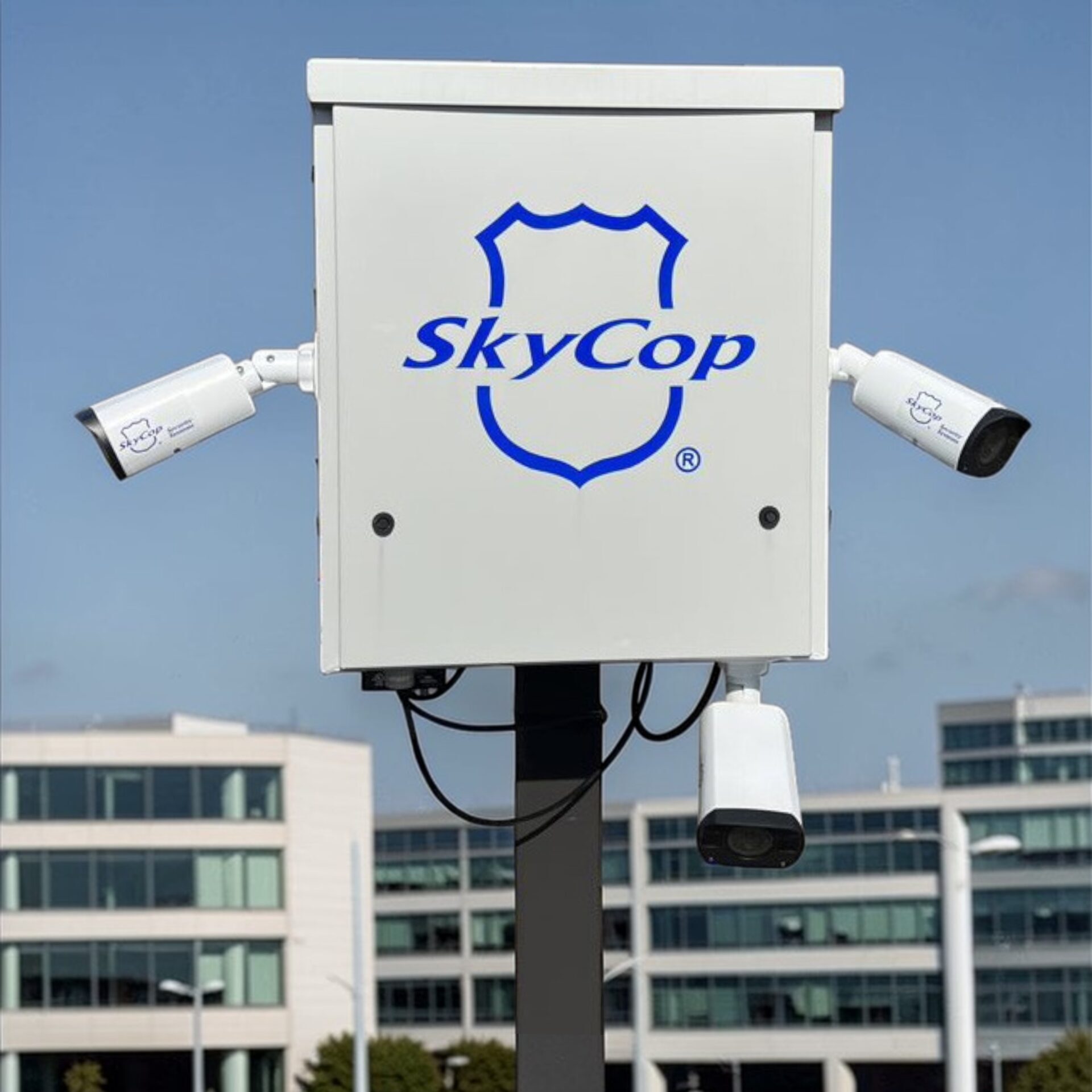
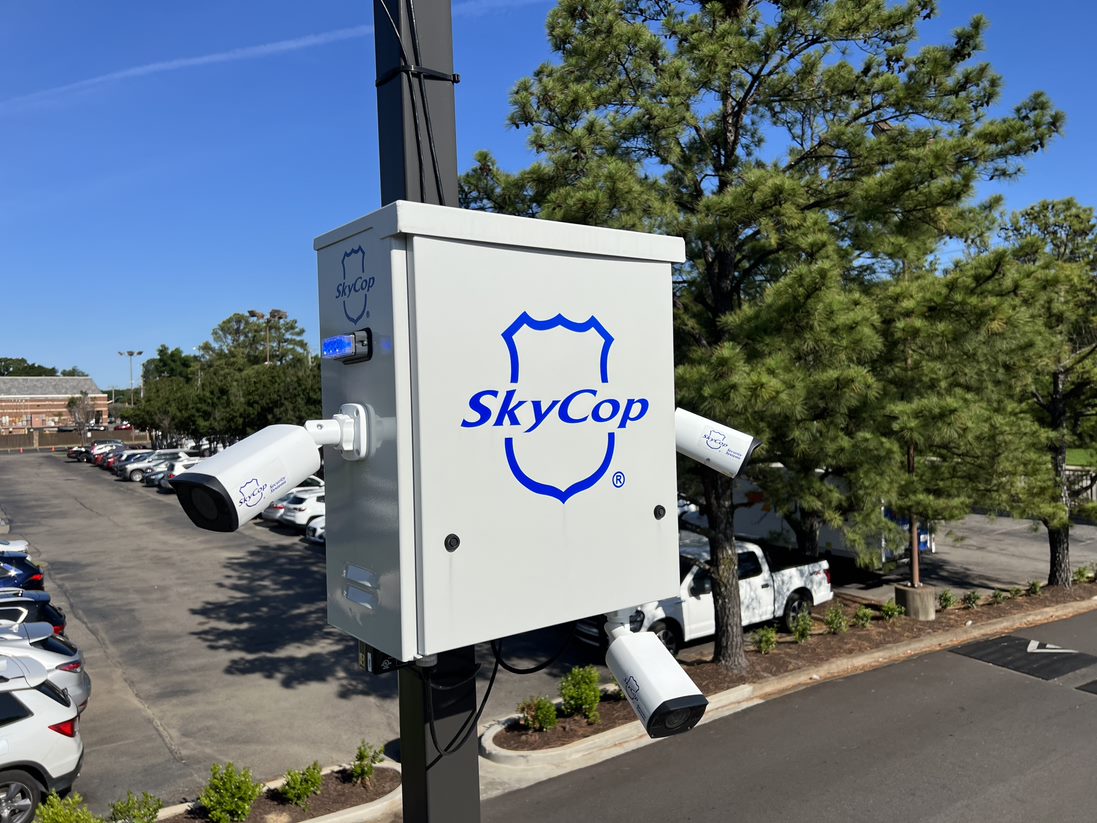
SkyCop camera enclosures offer additional flexibility. Their lightweight, modular design allows them to be installed on poles, buildings, or non-penetrating mounts and relocated as coverage requirements change. Options such as solar power, thermal imaging, two-way communication, remote monitoring, and license plate recognition can further support targeted surveillance.
Build a Flexible Commercial Security Plan That Moves With Your Site with SkyCop
Construction managers and event organizers should not have to rely on surveillance coverage designed around yesterday’s priorities. SkyCop provides mobile surveillance trailers and adaptable camera enclosures that can be installed, repositioned, and configured as environments evolve.
Contact SkyCop today to develop a flexible surveillance strategy tailored to your changing jobsite, event layout, and security concerns.
Sources:
- https://www.lisc.org/charter-schools/understanding-your-needs/construction/3-primary-stages-construction-project/
- https://ehs.cornell.edu/campus-health-safety/event-management/event-crowd-management
- https://yourope.org/know-how/crowd-management-5-the-ingress-and-egress-areas/
- https://www.securityindustry.org/2018/09/14/lighting-the-way-to-a-smarter-safer-city/
What Are the Internet Connectivity Options for SkyCop Security Camera Enclosures?
Reliable internet connectivity is an important part of an effective surveillance system. Whether monitoring a construction site, commercial property, or…
5 Important Features to Look for in Construction Site Surveillance Cameras
Construction sites face unique security challenges, from expensive equipment and building materials to constantly changing layouts and access points. Choosing…

How SkyCop LPR Software Helps to Detect & Prevent Unauthorized License Plate Searches
License plate recognition (LPR) technology helps law enforcement identify stolen vehicles, respond to alerts, and investigate criminal activity. However, as…