License plate recognition (LPR) cameras have become an increasingly valuable tool for security, law enforcement, traffic management, and commercial property monitoring. By combining high-resolution cameras with optical character recognition (OCR) and artificial intelligence, modern LPR systems can quickly identify, record, and analyze vehicle information in real time.
From recovering stolen vehicles to improving parking lot security, LPR technology offers a wide range of practical applications for both public and private organizations.
How License Plate Recognition Technology Works
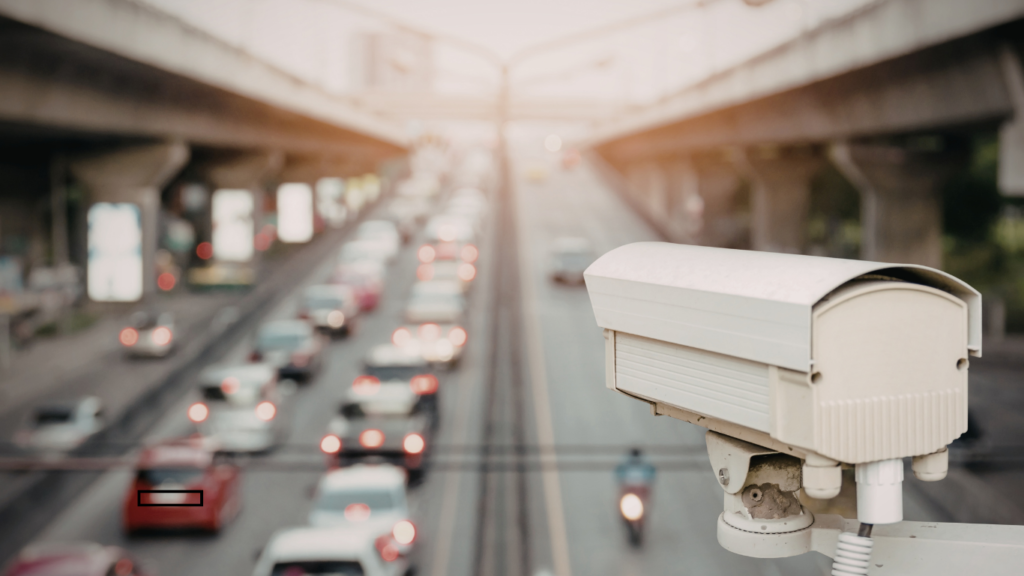
LPR systems use cameras and optical character recognition technology to convert license plate images into searchable, machine-readable data [1]. Once captured, the system can identify plate numbers, vehicle characteristics, timestamps, and location data for future reference or immediate alerts.
Modern platforms can also use artificial intelligence to improve accuracy in difficult conditions such as low light, obstructed views, or varying camera angles. This allows LPR systems to operate effectively in busy commercial environments, public roadways, gated communities, and parking facilities.
Many advanced systems can even recognize vehicles without clearly visible tags by identifying make, model, color, and other visual characteristics. This added layer of intelligence can assist investigations when plates are missing, damaged, or intentionally concealed.
LPR Application #1: Law Enforcement and Public Safety
One of the most common uses for LPR cameras is assisting law enforcement agencies with investigations and public safety initiatives. LPR systems can instantly compare captured license plates against databases and hot lists connected to stolen vehicles, BOLO alerts, and amber alerts.
These systems help agencies by:
- Identifying stolen vehicles in real time
- Supporting criminal investigations
- Tracking suspect vehicle movement
- Assisting with missing person cases
- Providing searchable forensic evidence
Real-time notifications for flagged license plates allow officers and security personnel to respond more quickly to active situations while improving investigative efficiency.
LPR Application #2: Commercial Security and Access Control
LPR technology is also widely used by commercial properties, gated communities, apartment complexes, and corporate campuses. Instead of relying solely on manual gate management or traditional security methods, LPR systems automate vehicle monitoring and access control.
Common commercial applications include:
- Managing authorized vehicle entry
- Tracking parking lot activity
- Monitoring visitor traffic
- Identifying suspicious vehicles
- Improving property security records
Businesses can also create customizable BOLO notifications that alert staff when specific vehicles enter a property or restricted area. This provides an additional layer of situational awareness for security teams and property managers.
LPR Application #3: Traffic, Parking, and Toll Management
Cities and transportation agencies increasingly use LPR systems for traffic analysis and infrastructure management. By collecting vehicle movement data, municipalities can better understand congestion patterns and improve traffic flow.
LPR systems are commonly used for:
- Automated toll collection
- Parking garage automation
- Traffic monitoring
- Congestion analysis
- Parking enforcement
In parking environments, LPR systems can automate vehicle entry, exit tracking, payment processing, and parking enforcement without requiring physical tickets or gate attendance. This creates a faster and more convenient experience for drivers while improving operational efficiency.
Smarter Security Through AI-Powered Monitoring
As artificial intelligence continues to evolve, LPR technology is becoming even more effective for proactive security monitoring. AI-powered systems can analyze large amounts of vehicle data, detect unusual patterns, and integrate with additional surveillance tools for a more complete security solution.
Whether used for law enforcement, commercial property management, or traffic monitoring, LPR systems provide organizations with faster access to valuable vehicle intelligence and improved situational awareness.
Upgrade Your Security with SkyCop’s Advanced LPR Technology
From real-time alerts to forensic vehicle tracking, license plate recognition cameras provide powerful tools for improving safety, monitoring activity, and supporting investigations. SkyCops advanced LPR solutions are designed to help law enforcement agencies, businesses, HOAs, and property managers gain better visibility and faster access to critical vehicle data.
Contact SkyCop today to learn how intelligent LPR technology can strengthen your security strategy.
Sources:
- https://www.ibm.com/think/topics/optical-character-recognition
- All other info gathered from SkyCop LPR page

Advanced Mobile Surveillance Technology That Adapts to Changing Security Environments
Security priorities rarely stay in one place. A construction project may need protection for several months, while a festival or…
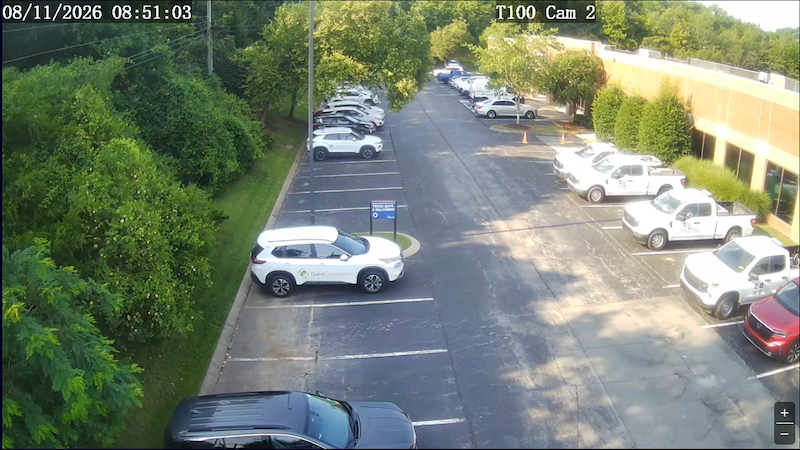
Addressing Recurring Break-ins with a Mobile Surveillance Trailer for Hamilton Creek in Nashville TN
Client’s Needs Hamilton Creek was facing recurring break-ins at their facility. Dealing with unauthorized intrusions creates an environment of vulnerability…
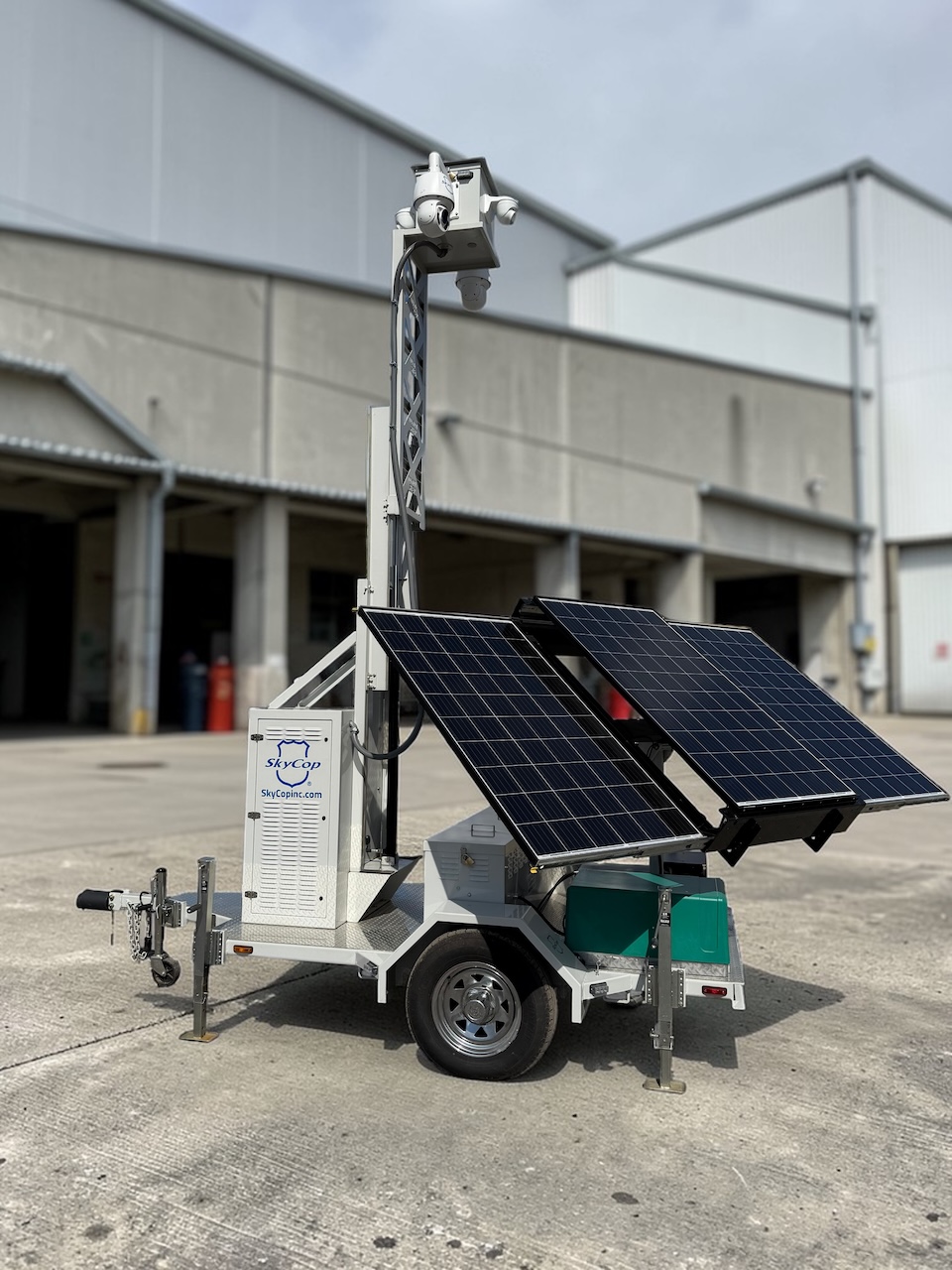
Capital Expense vs. Operational Budget: Should Your Organization Lease or Buy a Mobile Security Trailer?
Mobile security trailers can provide flexible surveillance for construction sites, parking facilities, public events, critical infrastructure, and other locations that…