Security trailers are designed to do something simple and powerful: change behavior before an incident happens. In many environments, the most valuable outcome is not capturing footage after the fact. It is creating a visible, high-confidence signal that the area is monitored and that unwanted activity will be noticed quickly.
That signal matters because people often weigh risk versus reward in the moment. Deterrence works when the perceived chance of getting caught feels real, immediate, and not worth testing. Deterrence theory in criminology emphasizes that certainty and swiftness of consequences influence decision-making more than harshness alone [1]. When a security trailer is places where people can see it, it increases perceived certainty and can prevent problems from starting.
Deterrence Feature #1: Visibility in the foundation of deterrence
A trailer’s most obvious strength is visibility. Elevated cameras, clear line-of-sight placement, and conspicuous positioning create a sense of oversight. This aligns with the idea that visible security cameras can discourage opportunistic offenders, especially when they are clearly noticeable rather than hidden [2]. A visible system communicates, “This is not a low-risk target,” which is exactly what deterrence needs.
In practice, the most effective deterrence setups do not rely on a single feature. They combine strong visual cues, environmental reinforcement, and active intervention options.
Deterrence Feature #2: Lighting that signals active monitoring

Lighting increases deterrence because it boosts visibility and reduces concealment. Smart or motion-activated lighting can shift an area from “easy to approach” to “hard to hide in,” especially in large open spaces like parking lots and perimeter zones. Layering cameras with lighting is a common recommendation for improving prevention outcomes rather than just documenting incidents [2].
Some deployments also use strobe or highly noticeable lighting to create an unmistakable visual warning. In real-world mobile surveillance deployments, trailers often include conspicuous lights as part of the deterrence package. Mobile surveillance units have been deployed with flashing lights and loudspeakers as visible signals that monitoring is active [3].
Deterrence Feature #3: Audio deterrence that escalates perceived risk
Audio takes deterrence from passive to personal. There are two common approaches:
- Pre-recorded warnings triggered by activity can interrupt behavior and communicate that monitoring is not just present, but responsive. Even a short message can add urgency by signaling that the system is watching in real time, not just recording.
- Two-way live audio is even stronger because it creates a direct social consequence. When someone hears a live voice addressing them, the situation feels immediate and high-risk. Audio can also reduce ambiguity for responders by adding context that video alone might miss. Modern audio surveillance adds situational awareness, helps verify alarms, and supports two-way communication for real-time intervention [4].
A stronger deterrent starts with the right features from SkyCop
Deterrence works when risk feels immediate, visible, and unavoidable. A well-positioned security trailer increases perceived surveillance. Integrated lighting removes concealment and increases exposure. Audio capabilities introduce real-time intervention that raises the psychological stakes even further. A layered approach combining visible cameras with supporting deterrents like lighting and audible warnings can increase the preventive impact of surveillance [2].
For property managers, schools, retail centers, and community leaders, the goal is simple: prevent incidents before they begin. The most effective security strategy is one that is seen, understood and respected from a distance.
Learn how SkyCop surveillance trailers can help deter crime on your property
If you are looking to strengthen the deterrence value of your property with visible, feature-rich mobile surveillance, contact SkyCop today to learn how our security trailers can help protect your parking lots, campuses, and communities through proactive prevention.
Sources:
- https://www.simplypsychology.org/deterrence-theory-criminology.html
- https://www.security.org/security-cameras/deter-crime/
- https://wsbt.com/news/local/lvt-mobile-surveillance-units-boost-crime-prevention-live-view-technology-zoom-night-vision-motels4now-mishawaka-police-indiana
- https://www.securityindustry.org/2025/05/09/how-audio-surveillance-can-help-to-counter-emerging-threats/
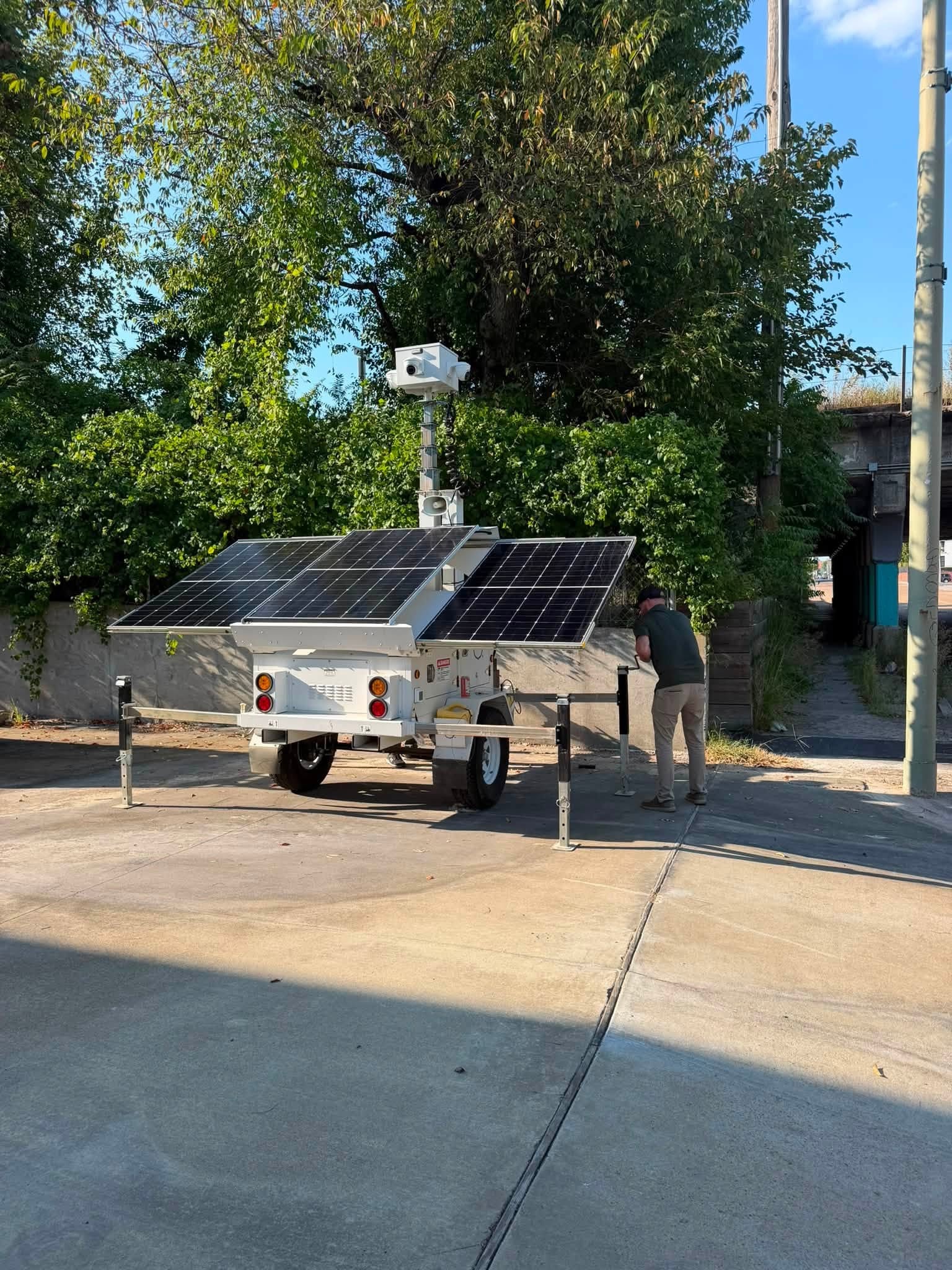
SkyCop Provides Robust Off-Grid Security Deterrent to Address Electrical Theft for We Fight Monsters New Community Facility in Memphis, TN
Client Name & Service Location We Fight Monsters located at 777 S. Main St., Memphis, TN Client’s Needs We Fight…
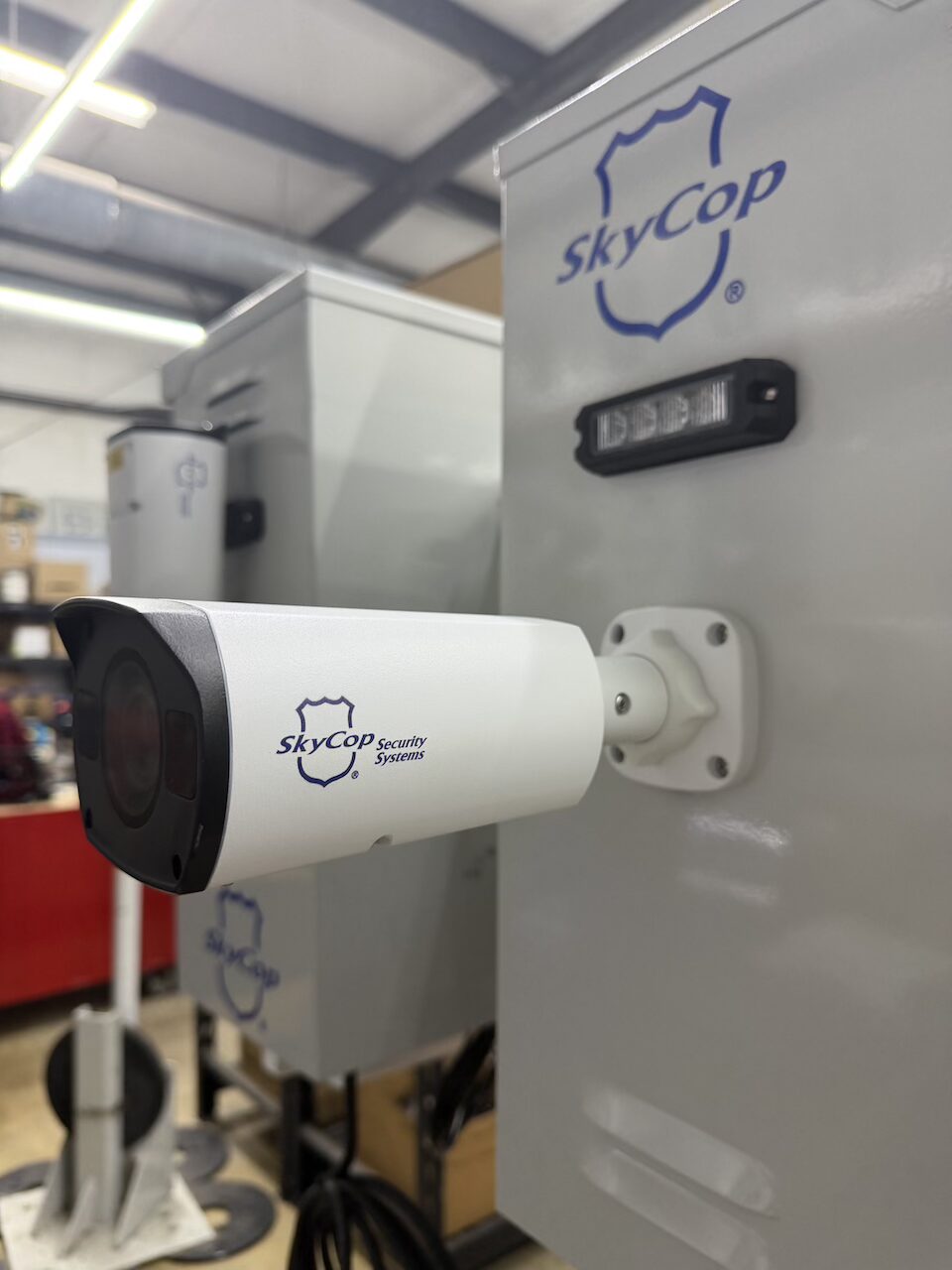
Do Visible Security Cameras Deter Crime? Our Experience Says Yes and Why Visibility Matters
When businesses invest in video surveillance, it is easy to focus primarily on what happens after an incident. Security cameras…
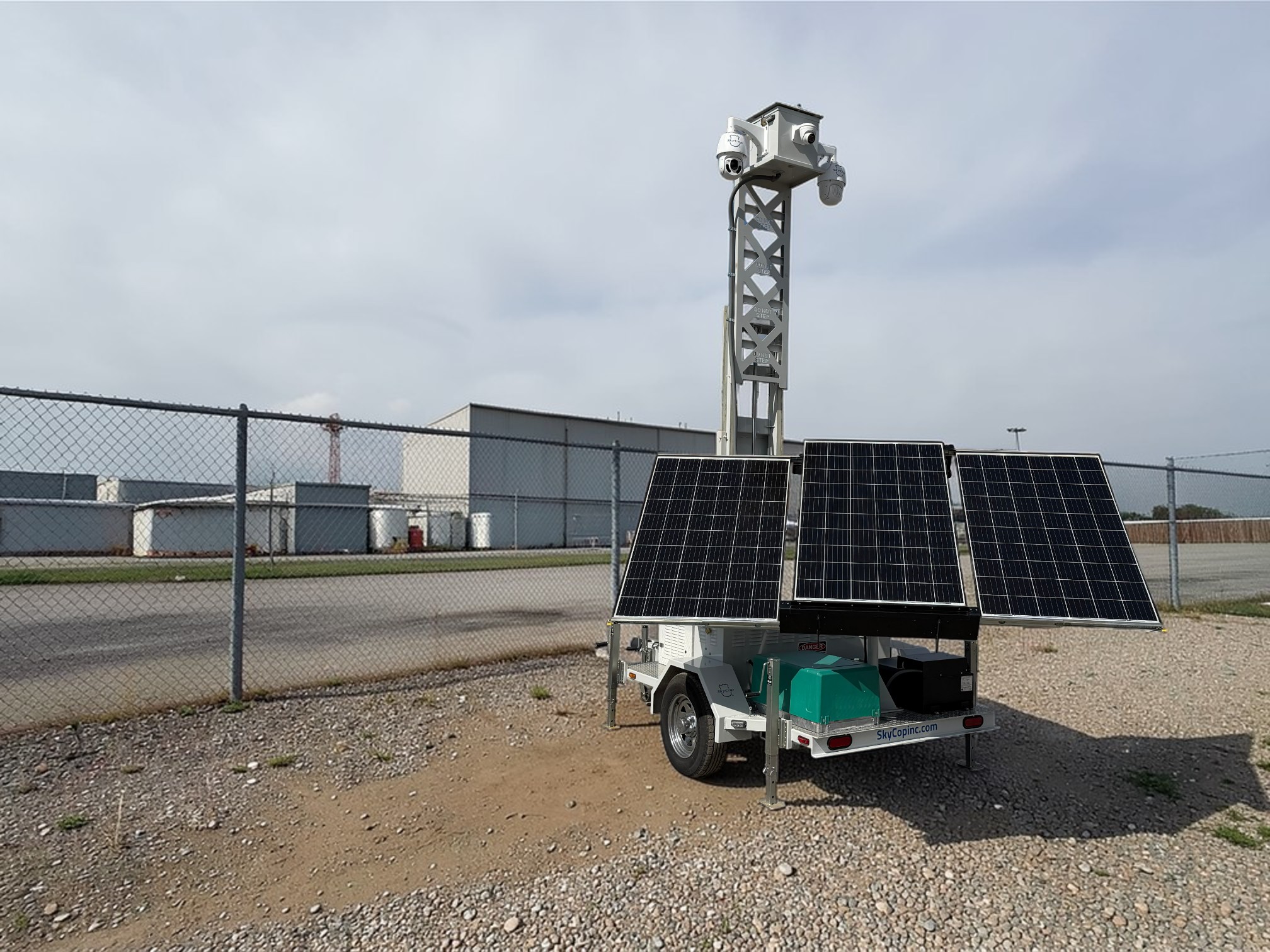
Advanced Mobile Surveillance Technology That Adapts to Changing Security Environments
Security priorities rarely stay in one place. A construction project may need protection for several months, while a festival or…