License Plate Recognition Systems Chattanooga TN

As technology continues to evolve, License Plate Recognition (LPR) systems have become an essential tool for law enforcement, parking management, toll collection, and security operations across the United States. In Chattanooga, Tennessee, the adoption of LPR technology is transforming how authorities and businesses manage vehicle identification, enhance public safety, and streamline operations. This article explores the fundamentals of license plate recognition systems, their applications in Chattanooga, and the benefits and challenges associated with their deployment.
Understanding License Plate Recognition Technology
License Plate Recognition systems use advanced cameras and software algorithms to capture and interpret vehicle license plates automatically. These systems combine optical character recognition (OCR) with high-resolution imaging and infrared technology to read plates under various lighting and weather conditions. The integration of these technologies allows LPR systems to function effectively both day and night, ensuring consistent performance regardless of environmental challenges.
Typically, LPR cameras are mounted on poles, vehicles, or entry points such as parking garages or toll booths. Once a license plate is captured, the system processes the image, extracts the alphanumeric characters, and cross-references the data with databases in real-time or near real-time. This capability is particularly useful in law enforcement, where officers can quickly access information about a vehicle’s registration status, outstanding fines, or even potential criminal activity associated with the vehicle.
The accuracy of modern LPR systems has improved significantly, with many solutions achieving recognition rates above 95% even at high speeds. This reliability makes them invaluable for applications requiring fast, automated vehicle identification. Moreover, the data collected by LPR systems can be utilized for various purposes beyond mere identification; for instance, they can assist in traffic management, urban planning, and even in the development of smart city initiatives. By analyzing patterns in vehicle movement and parking habits, city planners can make informed decisions that enhance infrastructure and improve overall traffic flow.
Furthermore, the rise of cloud computing has enabled LPR systems to become even more sophisticated. By leveraging cloud-based storage and processing power, these systems can handle vast amounts of data, allowing for advanced analytics and machine learning applications. This means that over time, LPR systems can learn from historical data, improving their accuracy and efficiency. As a result, they can adapt to new license plate formats, regional variations, and even changes in vehicle design, ensuring that they remain effective in an ever-evolving automotive landscape.
Applications of License Plate Recognition in Chattanooga
Law Enforcement and Public Safety
One of the most prominent uses of LPR technology in Chattanooga is by law enforcement agencies. The Chattanooga Police Department and surrounding jurisdictions utilize LPR systems to assist in identifying stolen vehicles, locating wanted suspects, and enforcing traffic laws. By integrating LPR data with national databases such as the National Crime Information Center (NCIC), officers can receive instant alerts when a flagged vehicle is detected.
This capability enhances response times and officer safety, allowing law enforcement to focus resources more effectively. Additionally, LPR systems help in managing Amber Alerts and Silver Alerts by tracking vehicles involved in emergencies involving missing persons.
Parking Management and Enforcement
Chattanooga’s growing urban landscape has increased demand for efficient parking solutions. Many parking facilities and municipal parking authorities have adopted LPR technology to automate entry and exit processes, enforce parking regulations, and optimize space utilization.
For example, LPR-enabled parking garages can automatically identify registered vehicles, enabling seamless access without physical tickets or cards. This reduces congestion and improves the user experience. Furthermore, LPR systems assist parking enforcement officers in quickly identifying vehicles that have overstayed or violated parking rules, streamlining citation issuance and compliance monitoring.
Toll Collection and Traffic Monitoring
While Chattanooga does not currently have extensive toll road infrastructure, nearby highways and regional transportation authorities are increasingly using LPR technology for electronic toll collection. This system allows vehicles to pass through toll points without stopping, as license plates are scanned and tolls are billed automatically.
Beyond tolling, LPR systems contribute to traffic flow analysis and congestion management. Transportation planners use aggregated LPR data to study vehicle movement patterns, peak traffic times, and route preferences, enabling more informed decisions about infrastructure improvements and traffic signal timing.
Benefits of License Plate Recognition Systems in Chattanooga
Enhanced Efficiency and Automation
LPR systems significantly reduce the need for manual vehicle identification and record-keeping. Automation minimizes human error, accelerates data processing, and frees up personnel to focus on more strategic tasks. For law enforcement, this means faster identification of vehicles of interest, while businesses benefit from streamlined access control and parking management.
Improved Public Safety and Crime Prevention
By providing real-time alerts and comprehensive vehicle tracking, LPR technology strengthens public safety efforts. In Chattanooga, this has translated into quicker recovery of stolen vehicles and more effective enforcement of traffic laws. The deterrent effect of LPR systems also discourages criminal activity involving vehicles, contributing to safer neighborhoods.
Cost Savings and Revenue Optimization
Municipalities and private operators in Chattanooga experience cost savings through reduced labor requirements and improved operational efficiency. Automated parking enforcement increases compliance rates and revenue collection, while electronic tolling reduces infrastructure maintenance costs associated with traditional toll booths.
Challenges and Considerations for LPR Deployment
Privacy and Data Security Concerns
One of the most significant challenges surrounding LPR systems involves privacy issues. The continuous collection and storage of vehicle location data raise concerns about surveillance and potential misuse. Chattanooga stakeholders must ensure that data collection complies with state and federal privacy laws and that robust security measures protect sensitive information from unauthorized access.
Transparency about how LPR data is used and retained is critical to maintaining public trust. Community engagement and clear policies can help address concerns and balance security benefits with individual privacy rights.
Technical Limitations and Environmental Factors
Despite advancements, LPR systems can face challenges related to environmental conditions such as heavy rain, fog, or obstructed plates. In Chattanooga’s varied climate, ensuring consistent performance requires high-quality hardware and regular maintenance. Additionally, variations in license plate designs and damage to plates can affect recognition accuracy.
Investing in adaptive technologies and continuous system updates is essential to mitigate these limitations and maintain reliable operation.
Integration with Existing Infrastructure
Implementing LPR systems requires seamless integration with existing databases, communication networks, and operational workflows. Chattanooga’s agencies and businesses must coordinate to ensure compatibility and data sharing protocols. Proper training for personnel and ongoing technical support are also vital to maximize the system’s effectiveness.
The Future of License Plate Recognition in Chattanooga
As Chattanooga continues to grow and embrace smart city initiatives, the role of LPR technology is expected to expand. Integration with other intelligent transportation systems (ITS), such as traffic signal control and emergency response coordination, will enhance urban mobility and safety.
Emerging trends include the use of artificial intelligence and machine learning to improve recognition accuracy and predictive analytics for traffic management. Additionally, the potential for LPR systems to support environmental goals, such as monitoring emissions and encouraging electric vehicle use, is gaining attention.
Collaboration between public agencies, private sector partners, and the community will be key to unlocking the full potential of license plate recognition technology in Chattanooga.
Conclusion
License Plate Recognition systems are revolutionizing vehicle identification and management in Chattanooga, Tennessee. From enhancing law enforcement capabilities to optimizing parking and traffic operations, LPR technology offers substantial benefits. However, careful consideration of privacy, technical challenges, and integration requirements is essential to ensure successful deployment.
As Chattanooga moves toward a smarter, safer future, embracing LPR systems with a balanced and informed approach will help the city meet its public safety and transportation goals while respecting community values.
As Chattanooga forges ahead with the integration of License Plate Recognition systems to bolster public safety and streamline transportation management, it’s crucial to partner with a provider that truly understands the unique needs of law enforcement. SkyCop, with its roots in law enforcement expertise and technological innovation, stands ready to support and enhance these initiatives. Our comprehensive surveillance solutions are designed to integrate effortlessly with your current systems, ensuring swift and effective crime prevention and response. With SkyCop, you’re not just adopting advanced technology; you’re gaining a dedicated ally in the mission to create a safer Chattanooga. Contact us today to learn how we can help you protect your community with precision and foresight.
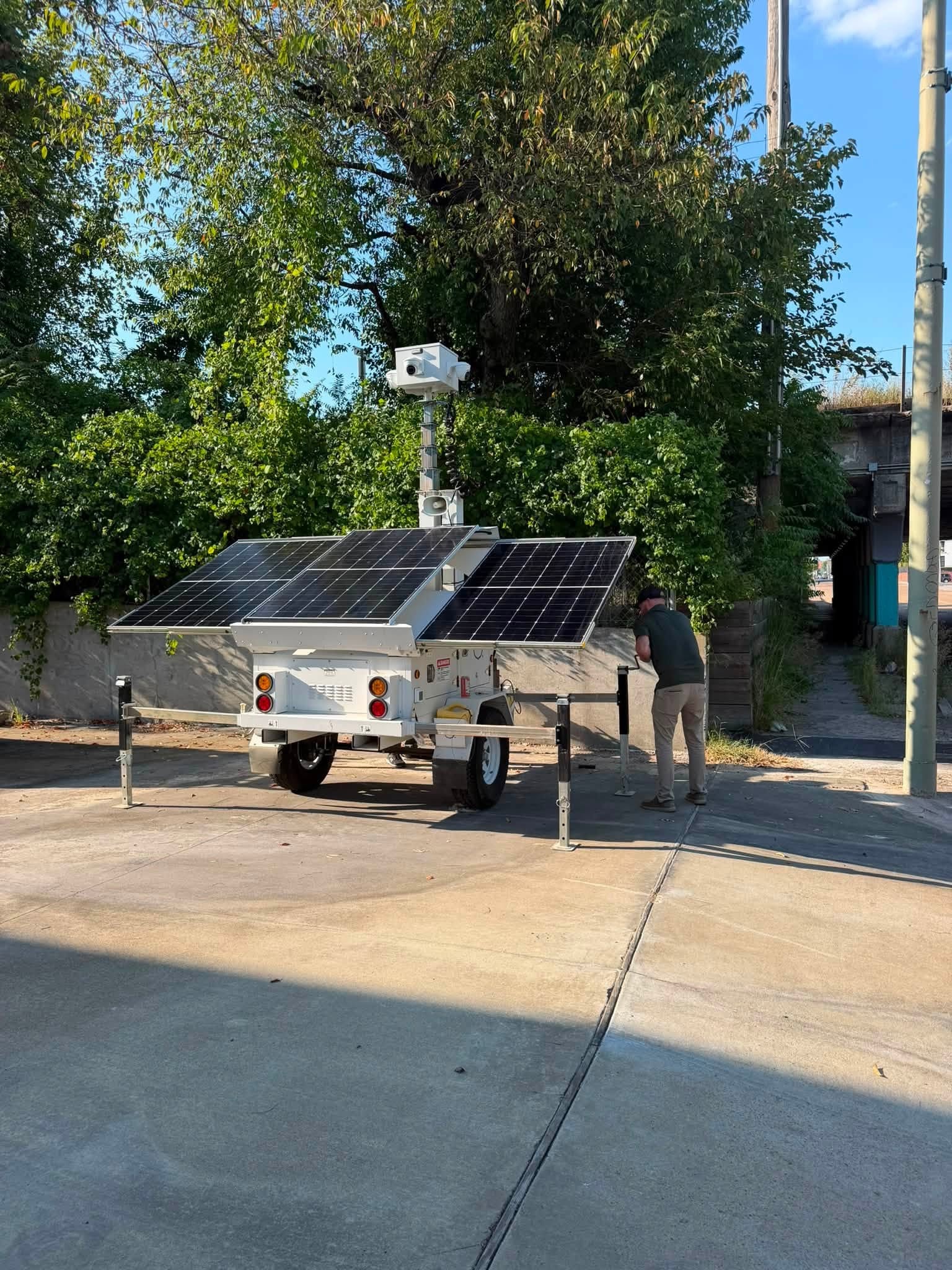
SkyCop Provides Robust Off-Grid Security Deterrent to Address Electrical Theft for We Fight Monsters New Community Facility in Memphis, TN
Client Name & Service Location We Fight Monsters located at 777 S. Main St., Memphis, TN Client’s Needs We Fight…
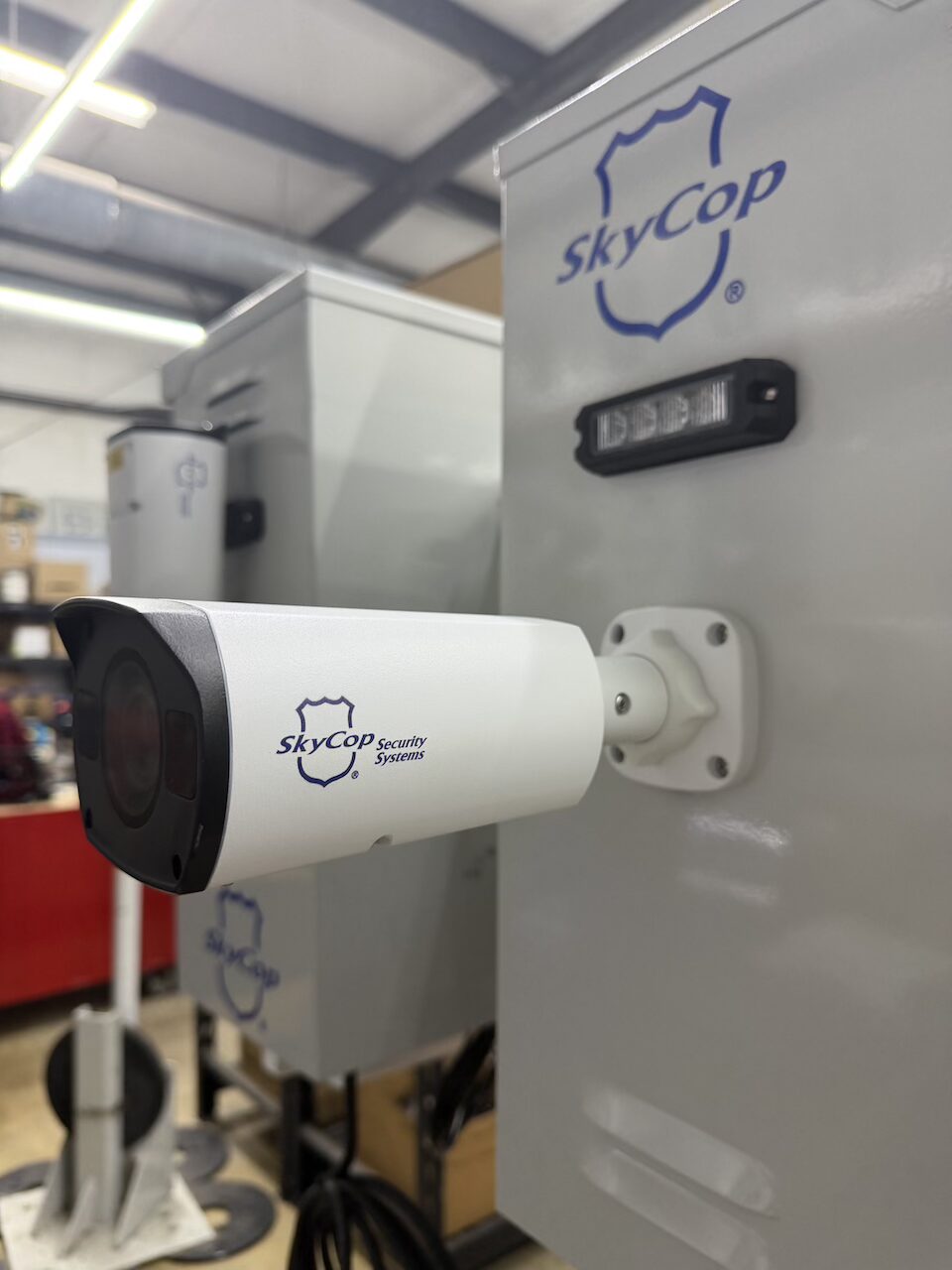
Do Visible Security Cameras Deter Crime? Our Experience Says Yes and Why Visibility Matters
When businesses invest in video surveillance, it is easy to focus primarily on what happens after an incident. Security cameras…
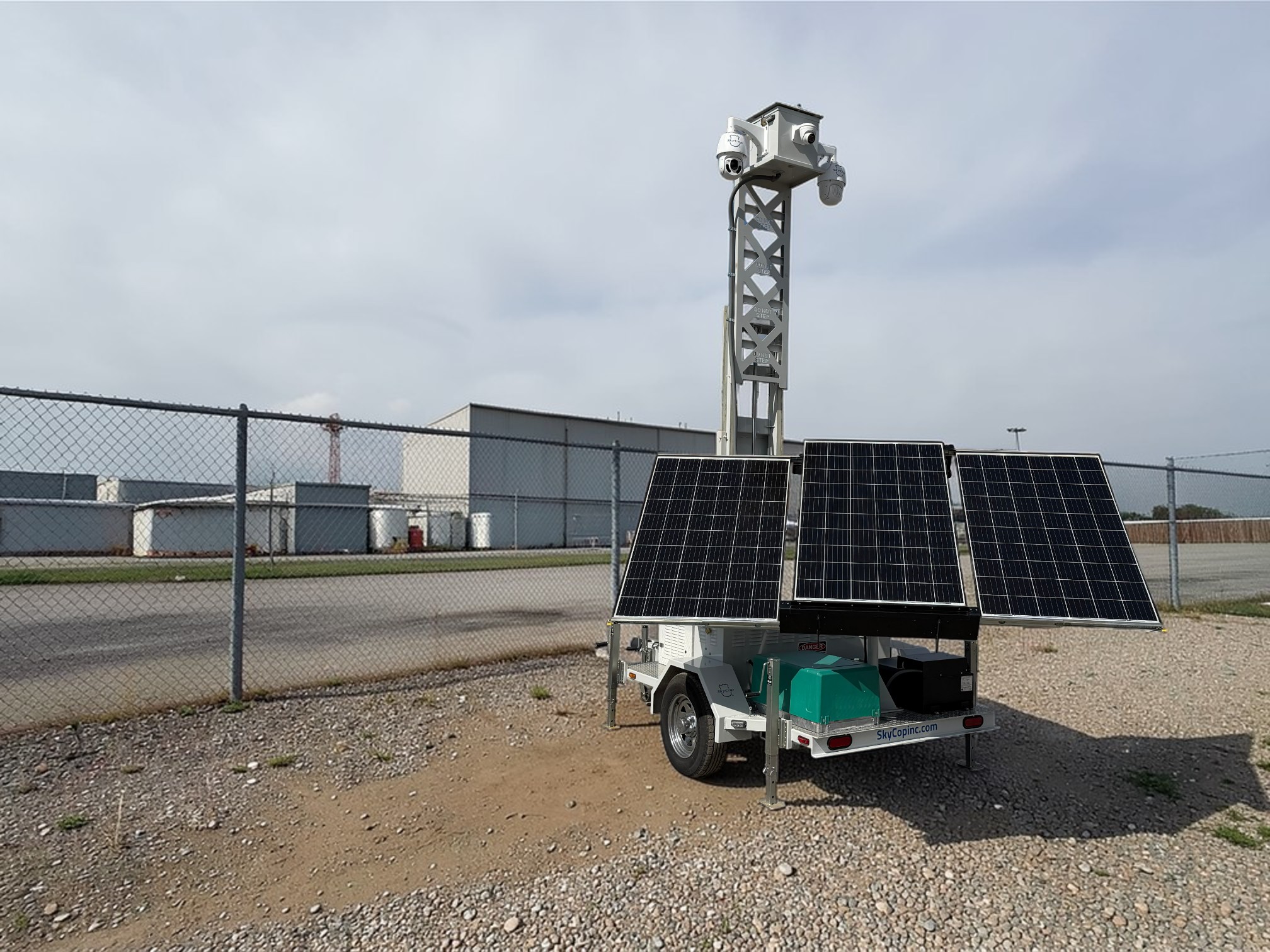
Advanced Mobile Surveillance Technology That Adapts to Changing Security Environments
Security priorities rarely stay in one place. A construction project may need protection for several months, while a festival or…