License Plate Recognition Systems Birmingham AL
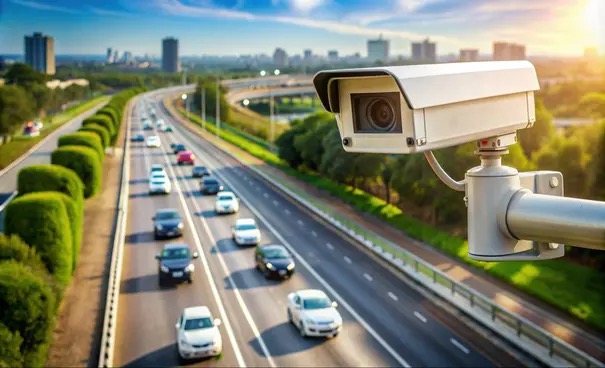
In recent years, License Plate Recognition (LPR) technology has become an indispensable tool for law enforcement, parking management, and security operations across the United States. Birmingham, Alabama, a city known for its rich industrial history and growing metropolitan area, has increasingly adopted LPR systems to enhance public safety and streamline various municipal functions. This article explores the key aspects of License Plate Recognition Systems in Birmingham, AL, including their technology, applications, benefits, and challenges.
Understanding License Plate Recognition Technology
License Plate Recognition (LPR), also known as Automatic Number Plate Recognition (ANPR), is a technology that uses optical character recognition on images to read vehicle registration plates. The system captures images of license plates and converts them into digital data that can be analyzed and stored.
Modern LPR systems combine high-resolution cameras with advanced software algorithms capable of recognizing plates under varying conditions such as low light, weather changes, and high-speed movement. Birmingham’s urban environment, with its mix of busy highways and residential streets, requires LPR systems that are both robust and adaptable.
How LPR Systems Work
LPR systems typically consist of cameras mounted on poles, vehicles, or at fixed locations like toll booths and parking garages. These cameras capture images of passing vehicles, and the software processes these images to extract the license plate number. The data is then cross-referenced with databases to identify stolen vehicles, outstanding warrants, or parking violations.
In Birmingham, many law enforcement agencies use mobile LPR units mounted on patrol cars, allowing officers to scan hundreds of plates per hour while on patrol. Fixed LPR cameras are also deployed in strategic locations such as city entrances, major intersections, and parking facilities.
Beyond law enforcement, LPR technology has found applications in various sectors including toll collection, traffic management, and even in private security systems. For instance, toll booths equipped with LPR can automatically charge vehicles as they pass, significantly reducing wait times and improving traffic flow. Similarly, parking facilities utilize LPR to streamline the entry and exit process, allowing for a more efficient management of space and reducing the need for physical tickets.
Furthermore, the integration of LPR technology with other smart city initiatives is becoming increasingly prevalent. In Birmingham, for example, LPR data can be analyzed to monitor traffic patterns, helping city planners make informed decisions about infrastructure improvements. This data-driven approach not only enhances public safety but also contributes to more sustainable urban development by optimizing traffic flow and reducing congestion.
Applications of LPR Systems in Birmingham
The versatility of LPR technology means it can be applied in a variety of contexts. In Birmingham, several sectors have embraced LPR to improve efficiency and safety.
Law Enforcement and Public Safety
One of the primary uses of LPR systems in Birmingham is by the police department to assist in crime prevention and investigation. By automatically scanning license plates, officers can quickly identify stolen vehicles, track suspects, and enforce traffic laws more effectively.
For example, the Birmingham Police Department has integrated LPR data with their crime analysis systems, enabling faster response times and more targeted patrols. According to recent reports, LPR technology has contributed to a measurable decrease in vehicle-related crimes in certain neighborhoods, showcasing its impact on public safety.
Parking Management and Enforcement
Parking in downtown Birmingham and popular commercial areas can be challenging due to limited space and high demand. LPR systems help streamline parking management by automating the monitoring of parking spaces and enforcing regulations without the need for manual checks.
Many private parking operators and municipal authorities in Birmingham use LPR to detect unauthorized parking, manage permit zones, and facilitate pay-by-plate parking systems. This reduces the need for physical tickets and improves compliance, enhancing the overall parking experience for residents and visitors alike.
Toll Collection and Traffic Monitoring
While Birmingham does not currently have widespread toll roads, LPR technology is increasingly being explored for potential use in toll collection and traffic flow monitoring. By capturing license plate data, transportation agencies can analyze traffic patterns, identify congestion points, and plan infrastructure improvements.
Furthermore, LPR systems can support future smart city initiatives aimed at integrating real-time data to optimize urban mobility and reduce emissions.
Benefits of License Plate Recognition Systems in Birmingham
The adoption of LPR technology in Birmingham offers numerous advantages across public and private sectors.
Enhanced Efficiency and Accuracy
Manual license plate checks are time-consuming and prone to human error. LPR systems automate this process, scanning plates at high speeds with a high degree of accuracy. This efficiency allows law enforcement and parking authorities to cover larger areas with fewer resources.
Improved Crime Solving and Prevention
By providing real-time alerts and historical data, LPR systems enable faster identification of vehicles involved in criminal activities. This capability has been instrumental in solving cases related to stolen vehicles, hit-and-runs, and other offenses in Birmingham.
Cost Savings and Resource Optimization
Automating plate recognition reduces the need for manual labor, lowering operational costs. Additionally, better enforcement of parking regulations and traffic laws leads to increased revenue collection and safer roadways.
Challenges and Considerations
Despite the benefits, implementing LPR systems in Birmingham also presents challenges that require careful consideration.
Privacy and Data Security Concerns
The collection and storage of license plate data raise important privacy issues. Residents and advocacy groups in Birmingham have expressed concerns about how data is used, who has access, and how long information is retained.
To address these concerns, agencies deploying LPR systems must adhere to strict data protection policies, ensure transparency, and comply with legal standards governing surveillance and data privacy.
Technical Limitations and Environmental Factors
Although LPR technology has advanced significantly, factors such as poor lighting, dirty or obscured plates, and adverse weather conditions can affect accuracy. Birmingham’s humid subtropical climate, with frequent rain and occasional fog, necessitates regular maintenance and calibration of LPR equipment to maintain optimal performance.
Cost of Implementation
Installing and maintaining LPR systems can be costly, especially for smaller municipalities or private operators. Budget constraints may limit the scope of deployment, requiring prioritization of high-impact areas.
The Future of LPR in Birmingham
As technology continues to evolve, the role of License Plate Recognition systems in Birmingham is expected to expand. Integration with other smart city technologies, such as facial recognition and real-time traffic analytics, could provide a more comprehensive approach to urban management.
Moreover, advances in artificial intelligence and machine learning will likely improve the accuracy and predictive capabilities of LPR systems, enabling proactive rather than reactive responses to public safety and traffic challenges.
Community engagement and transparent policymaking will be crucial to balancing technological benefits with privacy rights, ensuring that LPR systems serve the best interests of Birmingham’s residents.
Conclusion
License Plate Recognition systems in Birmingham, AL, represent a powerful tool for enhancing public safety, improving parking management, and supporting traffic monitoring efforts. While challenges related to privacy, cost, and technical limitations exist, the benefits of LPR technology are significant and increasingly vital in a growing urban environment.
By adopting best practices in deployment and data management, Birmingham can continue to leverage LPR systems to create a safer, more efficient city for all its residents and visitors.
If you’re looking to enhance public safety and streamline your city’s parking and traffic management systems, look no further than SkyCop. Our state-of-the-art surveillance solutions are designed with law enforcement in mind, ensuring seamless integration and support for local police departments. With SkyCop’s advanced technology, you can connect to your existing systems without costly upgrades, enabling faster response times and a more proactive approach to crime prevention. Our commitment to innovation, integrity, and customer satisfaction means you can trust us to help create a safer, more secure Birmingham. Contact us today to learn how we can assist in equipping your community with the tools needed to deter criminal activities and foster a safer environment for everyone.
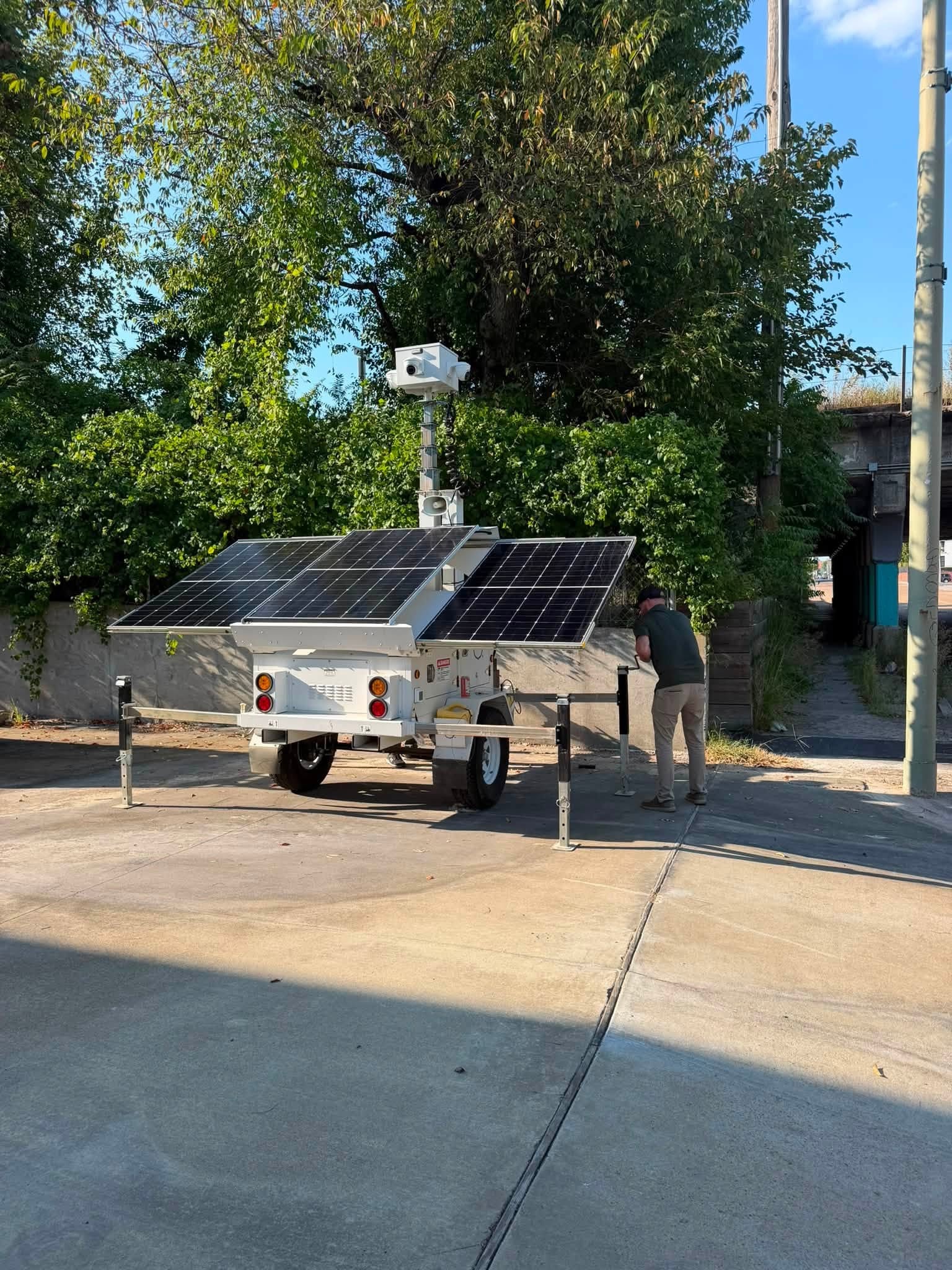
SkyCop Provides Robust Off-Grid Security Deterrent to Address Electrical Theft for We Fight Monsters New Community Facility in Memphis, TN
Client Name & Service Location We Fight Monsters located at 777 S. Main St., Memphis, TN Client’s Needs We Fight…
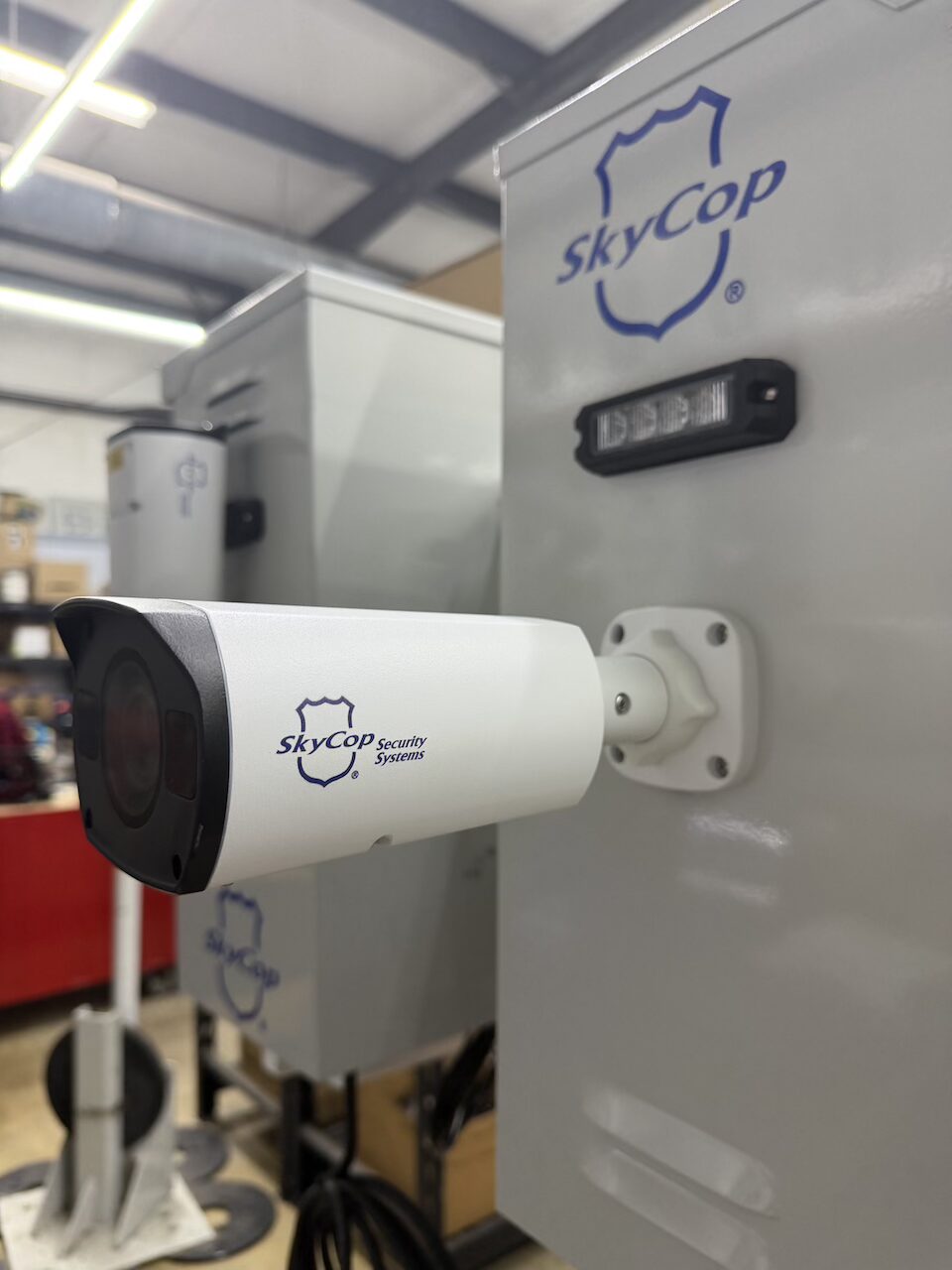
Do Visible Security Cameras Deter Crime? Our Experience Says Yes and Why Visibility Matters
When businesses invest in video surveillance, it is easy to focus primarily on what happens after an incident. Security cameras…
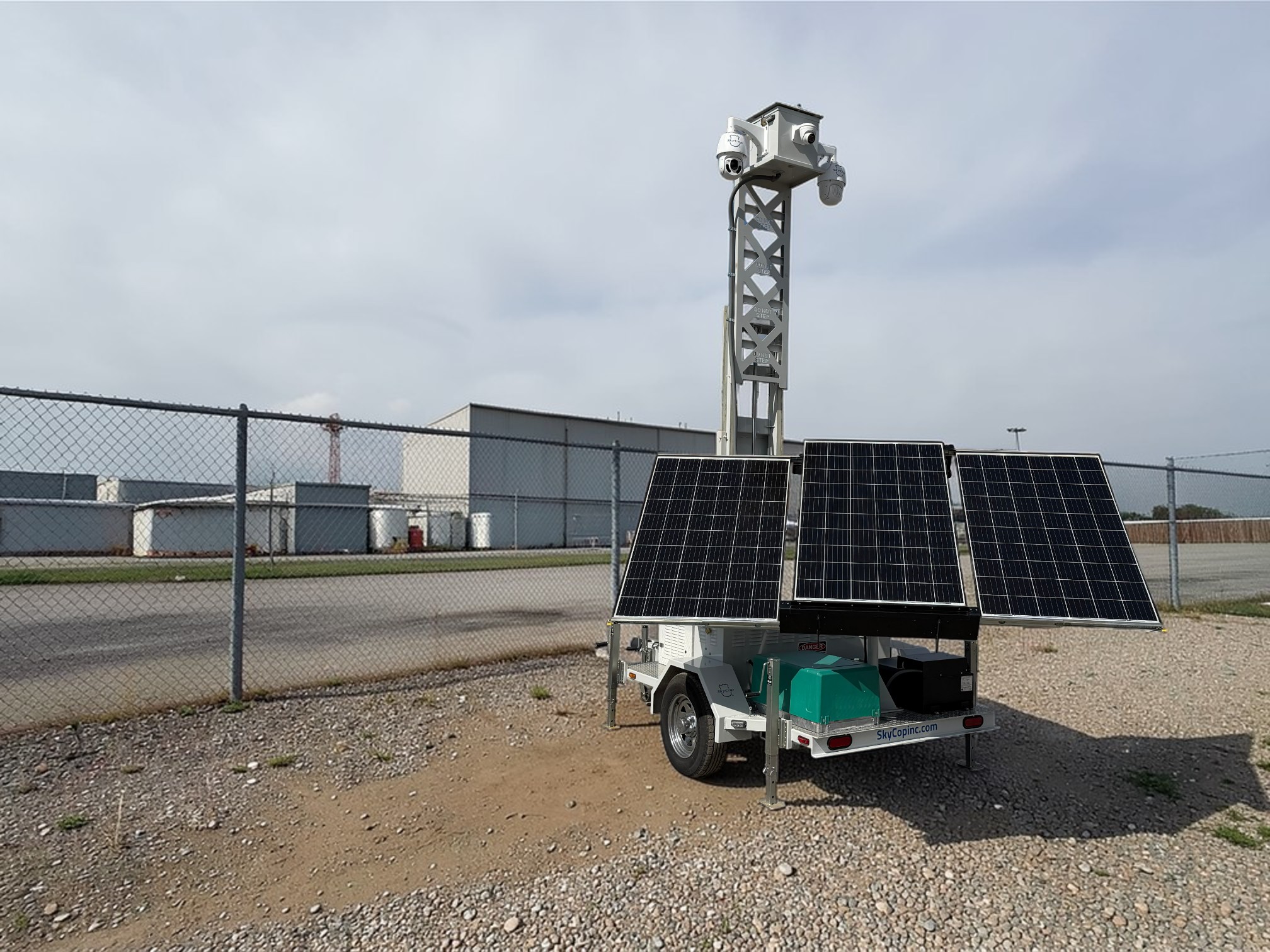
Advanced Mobile Surveillance Technology That Adapts to Changing Security Environments
Security priorities rarely stay in one place. A construction project may need protection for several months, while a festival or…