License Plate Recognition Systems St. Louis MO

In recent years, License Plate Recognition (LPR) systems have become an integral part of modern security, traffic management, and law enforcement strategies across the United States. St. Louis, Missouri, a city known for its rich history and bustling metropolitan life, is increasingly adopting these advanced technologies to improve public safety, streamline parking management, and enhance traffic enforcement. This article explores the growing role of LPR systems in St. Louis, their benefits, challenges, and what residents and businesses can expect from this evolving technology.
Understanding License Plate Recognition Technology
License Plate Recognition systems use high-resolution cameras combined with sophisticated software algorithms to capture and interpret vehicle license plates automatically. These systems rely on optical character recognition (OCR) technology that converts images of license plates into readable text data in real-time.
In St. Louis, LPR technology is deployed in various settings, including law enforcement patrol vehicles, fixed roadside cameras, parking garages, toll booths, and gated communities. The ability to instantly identify vehicles enables authorities and private entities to monitor traffic flow, detect stolen vehicles, enforce parking regulations, and even assist in criminal investigations.
How LPR Systems Work
The process begins with cameras capturing images of passing vehicles. These images are then processed by software that isolates the license plate, adjusts for lighting and angle, and extracts the alphanumeric characters. The extracted data is compared against databases such as stolen vehicle registries, parking permit lists, or toll payment records.
Modern LPR systems can process hundreds of plates per minute, operate in various weather conditions, and integrate with other security systems like video surveillance and automated alerts. This efficiency makes them invaluable for urban environments like St. Louis, where traffic density and public safety demands are high.
The Benefits of LPR Systems in St. Louis
St. Louis has embraced LPR technology for several compelling reasons, from enhancing public safety to improving municipal services. The benefits span across multiple sectors and contribute to the city’s overall quality of life.
Enhanced Law Enforcement and Crime Prevention
One of the primary uses of LPR systems in St. Louis is to support law enforcement agencies. By automatically scanning license plates, police can quickly identify stolen vehicles, track suspects, and locate missing persons. This capability significantly reduces response times and increases the chances of apprehending offenders.
For example, the St. Louis Metropolitan Police Department has integrated LPR technology into patrol vehicles and fixed locations, enabling officers to receive immediate alerts when a flagged vehicle is detected. This proactive approach has been linked to a measurable decrease in vehicle-related crimes and improved overall community safety.
Efficient Parking Management
Parking in downtown St. Louis and other busy neighborhoods can be challenging. LPR systems help streamline parking enforcement by automatically verifying whether vehicles are parked legally or have valid permits. This automation reduces the need for manual ticketing and helps the city better manage parking resources.
Additionally, some private parking operators in St. Louis use LPR technology to offer seamless entry and exit experiences, eliminating the need for physical tickets and reducing congestion at parking lot entrances.
Traffic Flow and Toll Collection Improvements
St. Louis benefits from LPR systems in managing traffic congestion and toll collection. By monitoring vehicle movement patterns, city planners can analyze traffic trends and implement measures to reduce bottlenecks. Furthermore, automated toll collection using LPR reduces delays at toll booths and lowers operational costs.
Privacy and Ethical Considerations
While the advantages of LPR systems are significant, their deployment raises important privacy and ethical questions. Residents of St. Louis, like those in many cities, are increasingly concerned about how their data is collected, stored, and used.
Data Security and Usage Policies
License plate data is sensitive information that can reveal a person’s movements and habits. To address these concerns, St. Louis authorities and private companies using LPR technology must adhere to strict data protection policies. These include limiting data retention periods, restricting access to authorized personnel, and ensuring transparency about how data is used.
Missouri state laws regulate the use of LPR data, emphasizing that it should only be used for legitimate law enforcement or municipal purposes. Public awareness campaigns in St. Louis have also helped educate citizens about their rights and the safeguards in place.
Balancing Security and Civil Liberties
Ensuring that LPR systems do not infringe on civil liberties is a delicate balance. Oversight mechanisms, including independent audits and community input, are essential to maintain public trust. St. Louis has seen active discussions between city officials, privacy advocates, and law enforcement to establish guidelines that protect individual freedoms while leveraging technology for public good.
Challenges and Limitations of LPR Systems in St. Louis
Despite their many benefits, LPR systems are not without challenges. Understanding these limitations helps stakeholders make informed decisions about their deployment and use.
Technical and Environmental Factors
Accuracy of license plate recognition can be affected by environmental conditions such as poor lighting, weather, dirt on plates, or unusual fonts and designs. St. Louis’s variable climate, with rain, snow, and fog, can sometimes reduce system effectiveness.
Additionally, the initial installation and ongoing maintenance of LPR infrastructure require significant investment. Ensuring that cameras are strategically placed and software is regularly updated is critical to maintaining high performance.
Cost Considerations
Implementing LPR systems involves upfront capital costs for hardware and software, as well as ongoing expenses for data storage, system upgrades, and personnel training. For municipal budgets in St. Louis, balancing these costs against anticipated benefits is a key consideration.
However, many agencies find that the long-term savings from improved enforcement efficiency and reduced crime rates justify the investment.
The Future of License Plate Recognition in St. Louis
As technology continues to evolve, the future of LPR systems in St. Louis looks promising. Innovations in artificial intelligence, machine learning, and cloud computing are set to enhance the accuracy, speed, and integration capabilities of these systems.
Integration with Smart City Initiatives
St. Louis is actively pursuing smart city projects aimed at improving urban living through technology. LPR systems are expected to play a crucial role in these initiatives by providing real-time data that supports traffic management, public safety, and environmental monitoring.
For example, integrating LPR data with traffic signal controls could optimize traffic flow and reduce emissions. Similarly, combining LPR with public transit systems may facilitate better coordination and service planning.
Expanding Applications Beyond Enforcement
Beyond law enforcement and parking, LPR technology in St. Louis is likely to expand into areas such as automated vehicle access control for residential and commercial properties, logistics and fleet management, and event security.
These expanded applications will require ongoing collaboration between technology providers, city officials, and the community to ensure that benefits are maximized while addressing any concerns.
Conclusion
License Plate Recognition systems are transforming the way St. Louis manages public safety, traffic, and parking. By leveraging advanced technology, the city is making strides toward a safer, more efficient urban environment. However, the success of these systems depends not only on technological capabilities but also on thoughtful implementation, respect for privacy, and community engagement.
As St. Louis continues to integrate LPR technology into its infrastructure, residents and businesses alike stand to benefit from improved security and convenience. Keeping informed about how these systems operate and their implications will help ensure that the city’s adoption of LPR remains a positive force for all.
If you’re inspired by the potential of License Plate Recognition systems to enhance public safety and efficiency in St. Louis, SkyCop is ready to elevate your law enforcement capabilities. Our expertly designed solutions are tailored to integrate seamlessly with your current operations, providing the advanced surveillance technology that was crafted specifically for law enforcement needs. With SkyCop, you gain a partner that not only equips but also supports and educates your police department on utilizing technology to its fullest potential, ensuring a safer city. Experience the difference with our state-of-the-art systems that offer superior connectivity and rapid response to criminal activities. Contact us today to discover how we can help you create a more secure community and reinforce the safety of St. Louis’s streets.
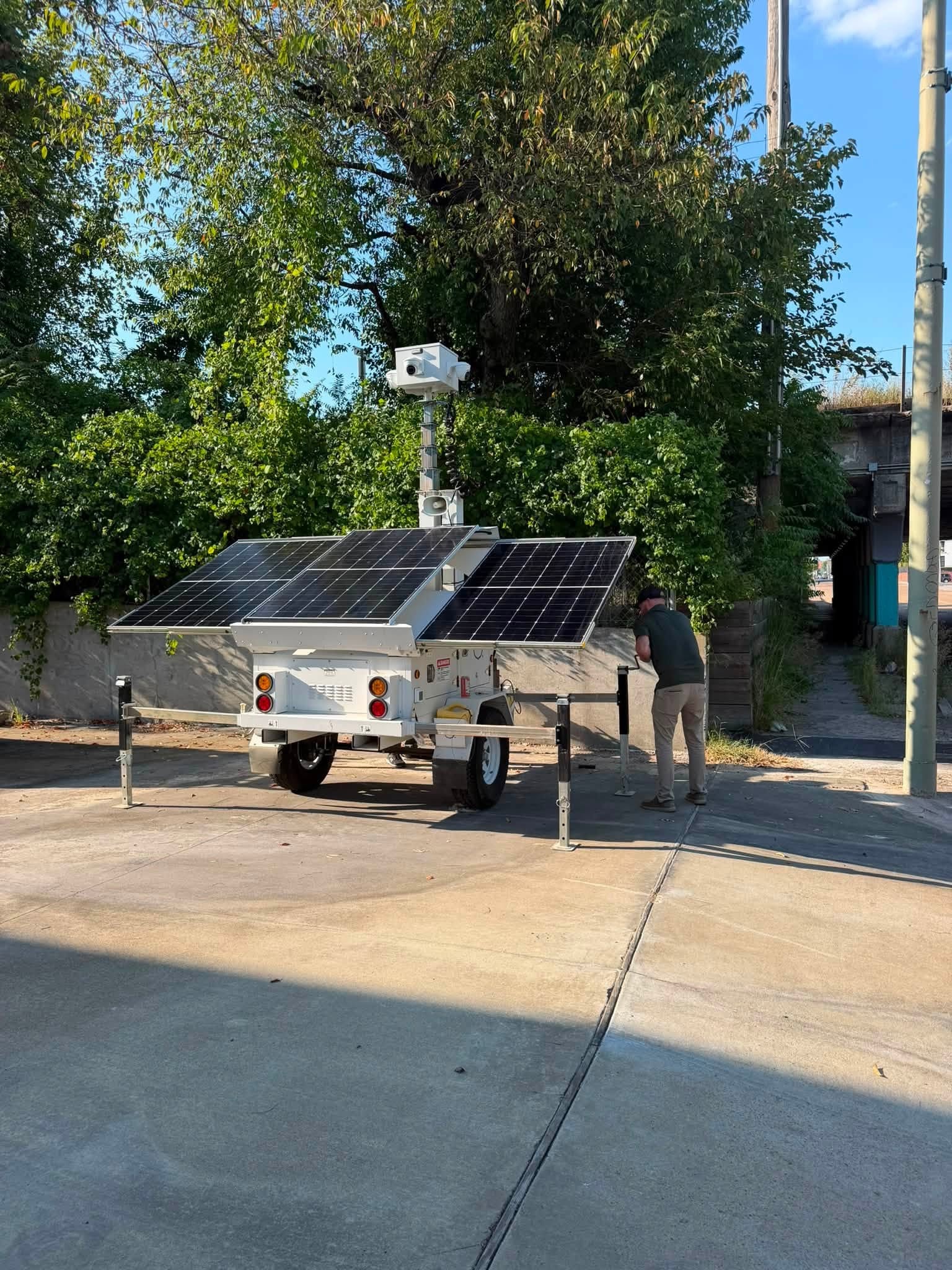
SkyCop Provides Robust Off-Grid Security Deterrent to Address Electrical Theft for We Fight Monsters New Community Facility in Memphis, TN
Client Name & Service Location We Fight Monsters located at 777 S. Main St., Memphis, TN Client’s Needs We Fight…
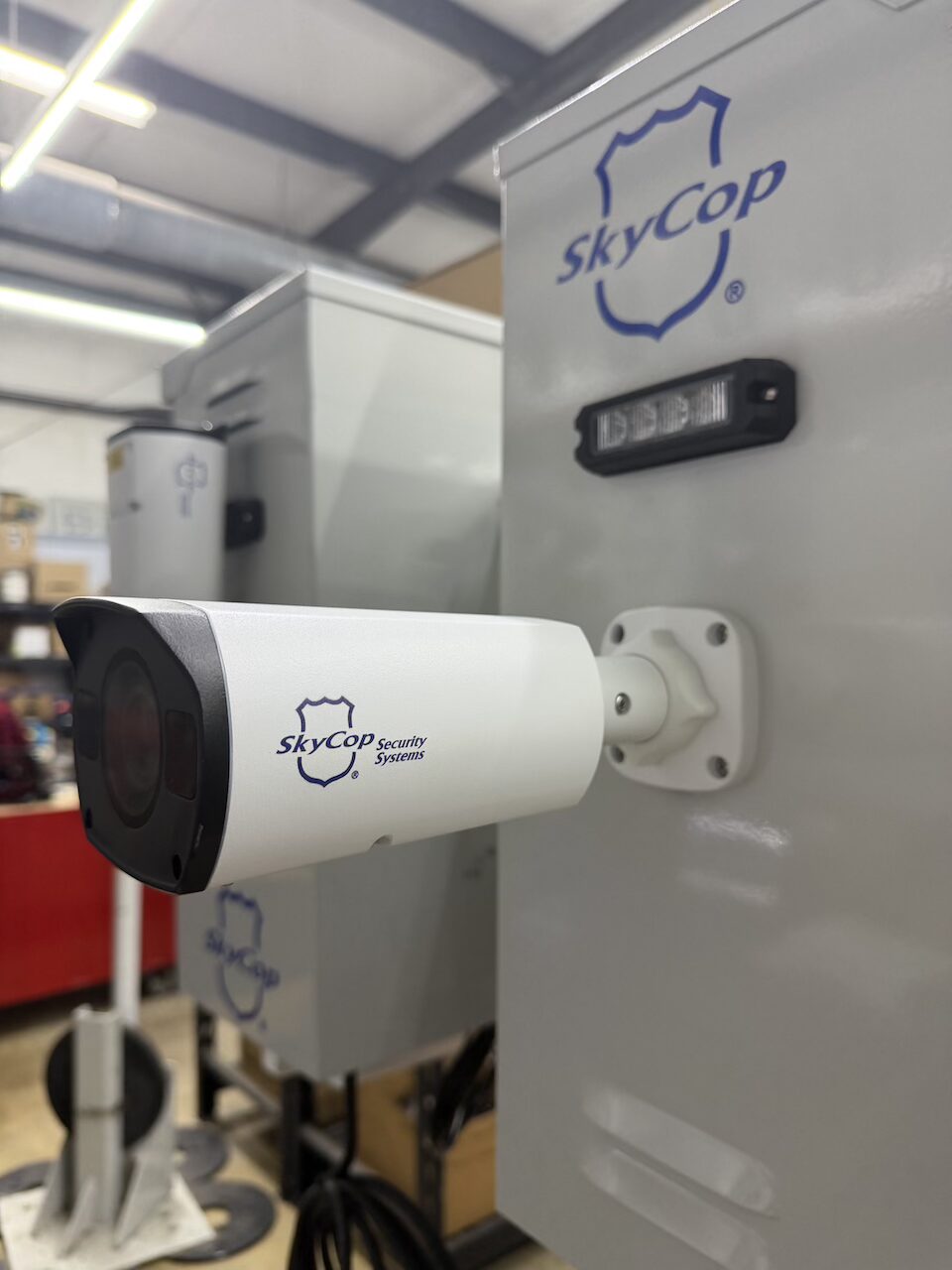
Do Visible Security Cameras Deter Crime? Our Experience Says Yes and Why Visibility Matters
When businesses invest in video surveillance, it is easy to focus primarily on what happens after an incident. Security cameras…
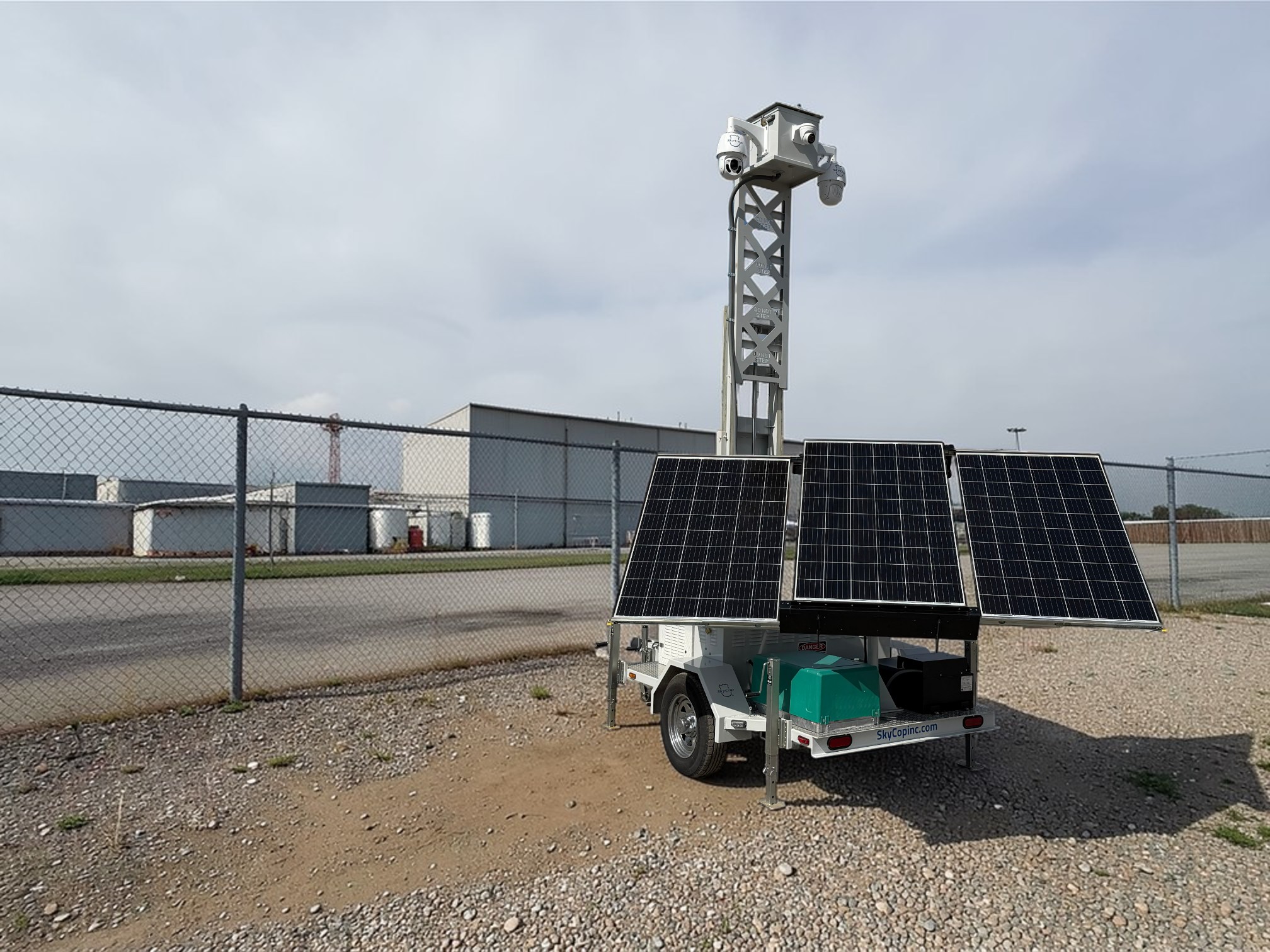
Advanced Mobile Surveillance Technology That Adapts to Changing Security Environments
Security priorities rarely stay in one place. A construction project may need protection for several months, while a festival or…