License Plate Recognition Systems Atlanta GA
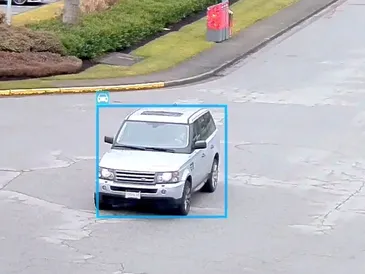
As urban centers like Atlanta continue to grow, the demand for advanced security and traffic management solutions has never been greater. License Plate Recognition (LPR) systems have emerged as a critical technology in addressing these needs. From enhancing law enforcement capabilities to streamlining parking operations, LPR systems are transforming how cities like Atlanta manage vehicle identification and monitoring.
Understanding License Plate Recognition Technology
License Plate Recognition systems utilize a combination of high-resolution cameras, optical character recognition (OCR) software, and artificial intelligence to automatically capture and interpret vehicle license plates. These systems can operate in various environments, including toll booths, parking garages, traffic intersections, and gated communities. As technology advances, the integration of LPR systems with other smart city initiatives is becoming more common, allowing for a more interconnected and efficient urban infrastructure.
At their core, LPR systems capture images of vehicles and extract alphanumeric characters from license plates in real time. This data is then cross-referenced with databases to identify vehicles of interest, such as stolen cars, vehicles with unpaid fines, or those authorized for specific access. The applications of LPR technology extend beyond law enforcement; they are also employed in managing parking spaces, facilitating automated toll collection, and enhancing traffic management systems, showcasing their versatility and importance in modern transportation networks.
How LPR Works in Practice
In Atlanta, LPR cameras are often mounted on poles, vehicles, or entry points. When a vehicle passes by, the camera captures an image, which is immediately processed by the OCR software. The system then converts the image into text, which is checked against predefined lists or databases. This process typically takes only a fraction of a second, allowing for seamless vehicle monitoring without disrupting traffic flow. Furthermore, the data collected can be utilized for various analytical purposes, such as traffic pattern analysis and urban planning, providing valuable insights into vehicular movement and congestion points.
Accuracy and Challenges
Modern LPR systems boast accuracy rates exceeding 95%, even under challenging conditions such as low light, inclement weather, or high-speed movement. However, factors like dirty or damaged plates, unusual fonts, and obstructions can impact performance. To mitigate these issues, many systems incorporate infrared lighting and multi-angle cameras to improve image quality. Additionally, ongoing advancements in machine learning algorithms are enhancing the ability of LPR systems to adapt to new plate designs and formats, further increasing their reliability. As the technology evolves, the potential for integrating LPR with other security measures, such as facial recognition and vehicle tracking systems, is also being explored, raising both opportunities and ethical considerations in surveillance practices.
Applications of License Plate Recognition in Atlanta
Atlanta’s diverse urban landscape presents numerous opportunities for LPR technology to enhance public safety, traffic management, and operational efficiency.
Law Enforcement and Public Safety
One of the most significant uses of LPR in Atlanta is by law enforcement agencies. The Atlanta Police Department employs LPR systems to identify stolen vehicles, track suspects, and enforce parking regulations. By integrating LPR data with crime databases, officers can receive real-time alerts when a flagged vehicle is detected, enabling faster response times and improved public safety.
Additionally, LPR technology supports Amber Alerts and other emergency notifications by quickly locating vehicles involved in critical incidents.
Traffic Management and Congestion Reduction
Traffic congestion remains a pressing issue in Atlanta, known for its sprawling metropolitan area and heavy commuter traffic. LPR systems contribute to traffic management by monitoring vehicle flow, identifying bottlenecks, and assisting in the enforcement of traffic laws such as HOV lane restrictions.
Transportation planners use aggregated LPR data to analyze travel patterns and optimize traffic signal timings, ultimately reducing congestion and improving commute times.
Parking Solutions and Access Control
Parking management is another area where LPR systems have made a significant impact in Atlanta. Many commercial parking facilities and residential complexes use LPR to automate entry and exit, eliminating the need for physical tickets or access cards. This not only speeds up vehicle throughput but also enhances security by maintaining detailed records of all vehicles accessing the premises.
Furthermore, event venues and airports in Atlanta utilize LPR to manage high volumes of vehicles efficiently, providing real-time occupancy data and facilitating dynamic pricing models.
Benefits of Implementing LPR Systems in Atlanta
The adoption of License Plate Recognition technology offers a range of benefits tailored to the unique needs of Atlanta’s public and private sectors.
Enhanced Security and Crime Prevention
By enabling rapid identification of vehicles linked to criminal activity, LPR systems serve as a force multiplier for law enforcement. The ability to monitor large areas continuously and automatically reduces the reliance on manual checks and increases the likelihood of intercepting suspicious vehicles.
Operational Efficiency and Cost Savings
Automating vehicle identification reduces the need for personnel to manually verify plates or issue tickets. In parking management, this translates to lower labor costs and fewer errors. Additionally, real-time data collection supports better resource allocation, such as deploying law enforcement or traffic control where it is most needed.
Improved Traffic Flow and Environmental Impact
By facilitating smoother traffic management and reducing congestion, LPR systems contribute to lower vehicle emissions and fuel consumption. This aligns with Atlanta’s broader goals of promoting sustainable urban mobility and improving air quality.
Considerations for Choosing an LPR System in Atlanta
Selecting the right License Plate Recognition system involves evaluating several factors to ensure compatibility with Atlanta’s specific requirements.
Integration with Existing Infrastructure
Many agencies and businesses already have surveillance cameras or traffic control systems in place. Choosing an LPR system that can integrate seamlessly with these existing platforms minimizes disruption and maximizes return on investment.
Data Privacy and Compliance
Given the sensitive nature of vehicle tracking data, it is crucial to ensure that LPR systems comply with local and federal privacy regulations. Atlanta organizations must adopt systems with robust data encryption, access controls, and clear policies on data retention and sharing.
Scalability and Future-Proofing
As Atlanta continues to expand, LPR systems should be scalable to cover new areas and accommodate increased traffic volumes. Opting for solutions that support software updates and hardware upgrades ensures longevity and adaptability to evolving needs.
The Future of License Plate Recognition in Atlanta
Advancements in artificial intelligence and machine learning are poised to further enhance the capabilities of LPR systems. In Atlanta, this means more accurate recognition, predictive analytics for traffic management, and deeper integration with smart city initiatives.
Emerging technologies such as vehicle-to-infrastructure communication and blockchain-based data security may also play a role in the next generation of LPR solutions, making Atlanta a leader in intelligent transportation systems.
Collaborative Efforts and Community Engagement
The successful deployment of LPR technology requires collaboration between government agencies, private sector partners, and the community. Transparent communication about the benefits, limitations, and privacy safeguards of LPR systems helps build public trust and support.
Conclusion
License Plate Recognition systems are a vital component of Atlanta’s strategy to enhance security, improve traffic flow, and streamline vehicle access management. With ongoing technological advancements and thoughtful implementation, LPR technology will continue to play a central role in shaping a safer and more efficient urban environment in Atlanta.
If you’re looking to elevate the security and efficiency of Atlanta’s urban landscape with License Plate Recognition technology, look no further than SkyCop. Our solutions are expertly crafted to integrate with law enforcement efforts, providing the tools and training necessary to harness the power of advanced surveillance technology. With SkyCop, you’re not just installing a system; you’re partnering with a team of seasoned law enforcement and tech experts dedicated to crime prevention and community safety. Our state-of-the-art surveillance seamlessly connects with your existing infrastructure, ensuring rapid response and enhanced protection without the need for costly upgrades. Experience the difference that reliable, innovative technology can make in creating safer communities. Contact us today to learn more about how SkyCop can support your mission to keep Atlanta safe.
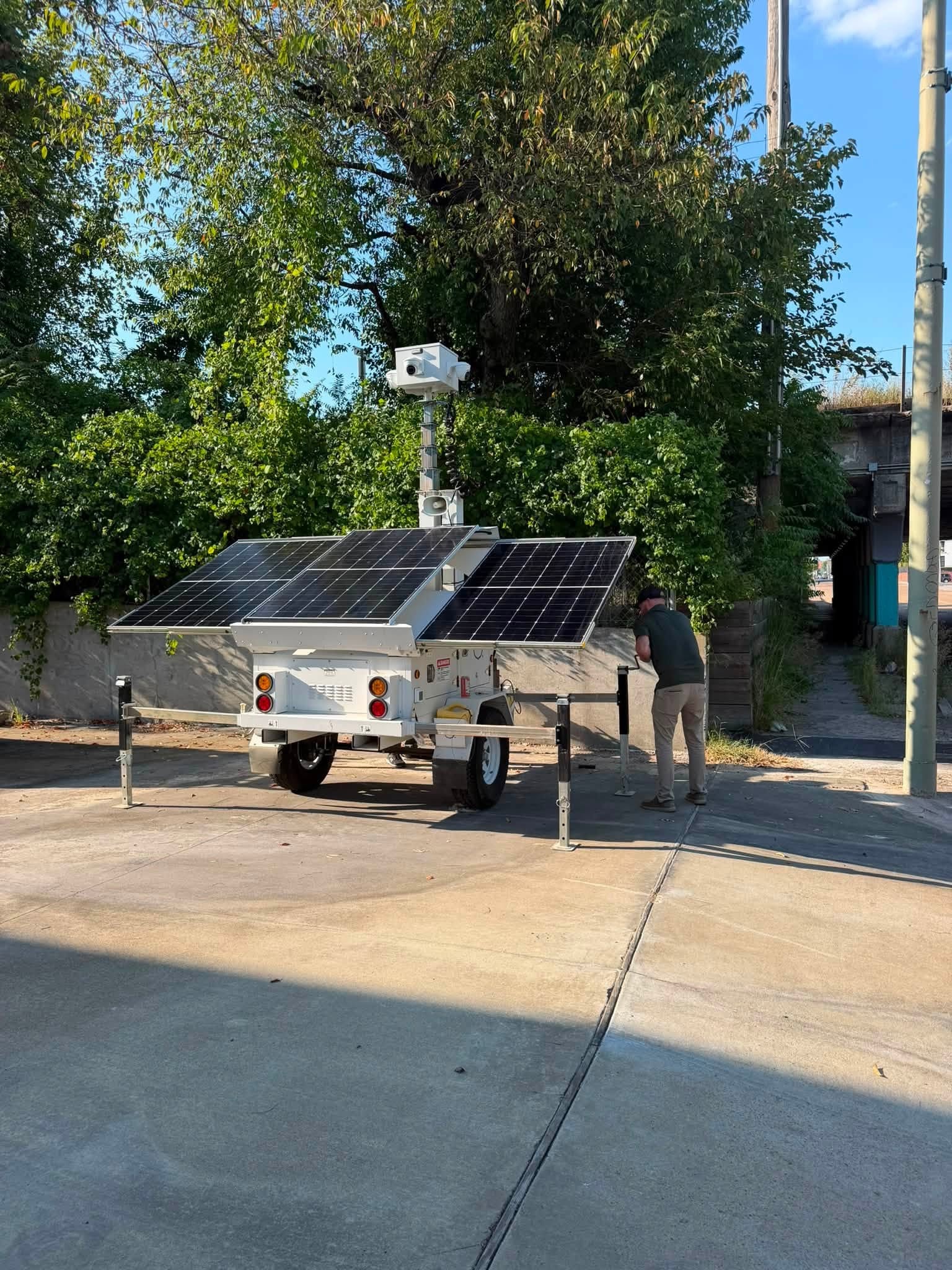
SkyCop Provides Robust Off-Grid Security Deterrent to Address Electrical Theft for We Fight Monsters New Community Facility in Memphis, TN
Client Name & Service Location We Fight Monsters located at 777 S. Main St., Memphis, TN Client’s Needs We Fight…
Do Visible Security Cameras Deter Crime? Our Experience Says Yes and Why Visibility Matters
When businesses invest in video surveillance, it is easy to focus primarily on what happens after an incident. Security cameras…
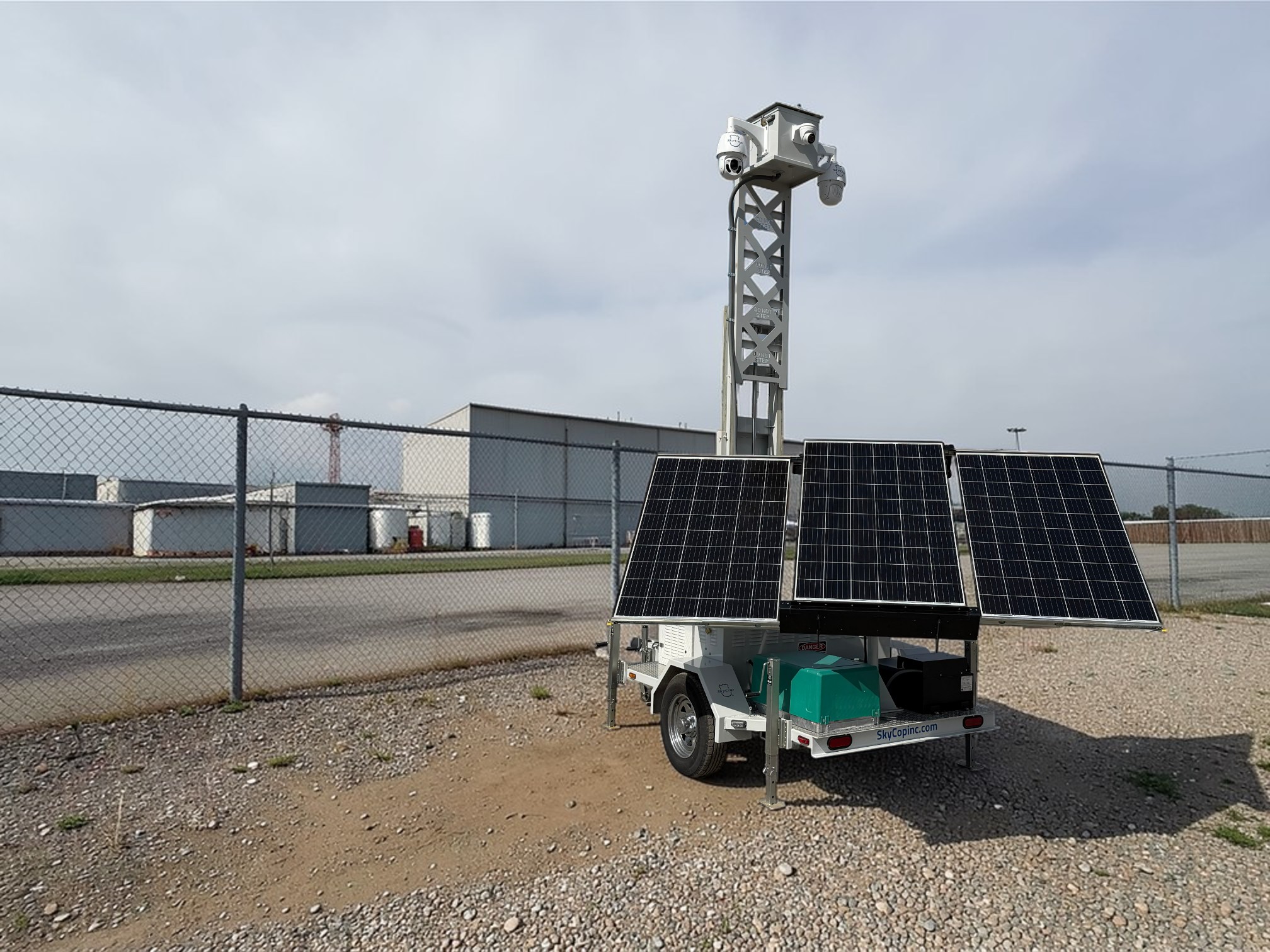
Advanced Mobile Surveillance Technology That Adapts to Changing Security Environments
Security priorities rarely stay in one place. A construction project may need protection for several months, while a festival or…